This article was co-authored by Katie Styzek. Katie Styzek is a Professional School Counselor for Chicago Public Schools. Katie earned a BS in Elementary Education with a Concentration in Mathematics from the University of Illinois at Urbana-Champaign. She served as a middle school mathematics, science, and social studies teacher for three years prior to becoming a counselor. She holds a Master of Education (M.Ed.) in School Counseling from DePaul University and an MA in Educational Leadership from Northeastern Illinois University. Katie holds an Illinois School Counselor Endorsement License (Type 73 Service Personnel), an Illinois Principal License (formerly Type 75), and an Illinois Elementary Education Teaching License (Type 03, K – 9). She is also Nationally Board Certified in School Counseling from the National Board for Professional Teaching Standards.
wikiHow marks an article as reader-approved once it receives enough positive feedback. In this case, 100% of readers who voted found the article helpful, earning it our reader-approved status.
This article has been viewed 30,131 times.
Middle school can be a tough time for many people. As kids transition into teens, they often change friends and interests. Many may suddenly realize that they are being teased or taunted by their classmates. This kind of teasing is uncomfortable for everyone around, and needs to be stopped. By remaining confident, controlling the situation, and getting help when you need it, you can put an end to the teasing.
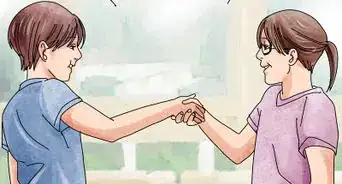
Steps
Method 1
Method 1 of 3:Staying Confident
-
1Build up your self-confidence. Building your self-confidence takes time and patience, but working towards higher self-confidence can help you to feel better about yourself even when you are dealing with a bully. Some things you can do to build your confidence up include:[1]
- Making a list of your achievements. Writing down all of the things you have achieved in your life so far, big or small may help you to feel more confident. Try writing down as many achievements as you can think of and read the list often. For example, you might include passing a difficult test, making the winning goal for your soccer team, or finishing a really long book.
- Identify your strengths. It is also helpful to list all of the things that make you special.[2] Try writing down a list of your strengths, such as your kindness, honesty, or loyalty. You can also include things like skills, special talents, and any special knowledge you possess.
- List your goals. Making a list of things you hope to accomplish one day can also help you build self-confidence. These can include things like, get an A in math class, attend college, become a lawyer, etc. Make a list of all the goals you have, short and long-term.
- You could even strike up a conversation with someone new to help build your confidence.[3]
-
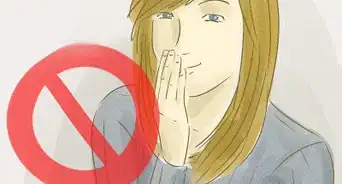
2Avoid blaming yourself for the teasing. Many kids and teens will blame themselves for being different when they feel bullied or picked on. This only feeds the cycle and gives people more power to pick on you. Instead, you should recognize that the person teasing you is at fault.[4]
- For example, if a person is teasing you for being “too smart,” it is likely a result of their insecurities with their own grades.
Advertisement -
3Remember that their words are not a reflection of you. When being teased, kids and teens often start to build their identity around the hurtful things that are said. You need to remember that there are many good things about you and your personality, and that the teasing is more of a reflection of the bullies personality than yours.[5]
- Someone saying something like “You’re boring,” does not make you boring. They do not speak for everyone, and the insult is typically just a way to upset you.
-
4Confide in close friends. Talking to your close friends can help to eliminate the feelings of isolation that often plague the victims of teasing. It will make you feel connected to your peers, and will also give you the chance for an emotional release. Your friends might also be able to help you stop the teasing if they are aware of how much it bothers you.[6]
-
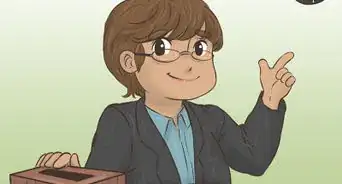
5Let your personality be seen. Some kids and teens withdraw in an attempt to avoid teasing. Instead, you should let your personality show. Being confident will send a message to anyone teasing you that you are in control of your life. It can also make it easier to make more friends, which will often help to defer the teasing.[7]
- For example, if you are being teased for being bad at a sport, do not let this prevent you from showing off how good you are at singing.
Advertisement


Method 2
Method 2 of 3:Controlling the Situation
-
1
-
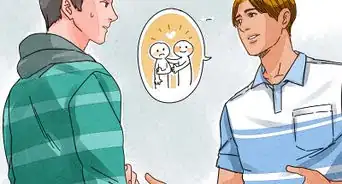
2Try using humor to turn the focus back on the bully. By saying something humorous, you can show the bully that you are not affected by their words and also turn the focus on them. This may be enough to get them to lose interest and stop.
- Try saying something like, "You must really like me! You put all your time and energy into noticing everything I do. I'm flattered!"
- Or, you can try, “Look, I’d really like to stay and chat Billy, but I don’t want to be late to class. You can stay out here as long as you want though!”[10] Then, just walk away.
-
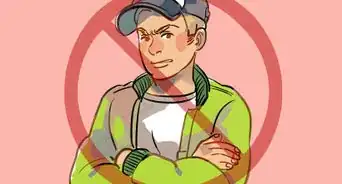
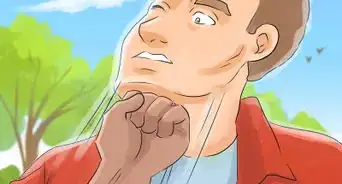
3Confront them. You should avoid a physical confrontation. Physical confrontations can quickly escalate to someone being hurt, and can get you into a lot of trouble. Instead, stand your ground and tell the boys to stop teasing you.[11]
- Saying something like “I would appreciate it if you kept your opinion to yourself,” can send the message that you do not care what they think, but will stand up for yourself if they continue to harass you.
- You could also say something like "stop bothering me."[12]
- For example, if you are being teased, you might look at the person doing the teasing and say “I would really appreciate it if you stopped trying to tease me.”
-
4Let your friends help you. Teasing is often done in an attempt to gain attention from other people around. If your friends stand firmly with you and send the message that nobody is amused by the teasing, this can help to stop the teasing. Tell your friends how the teasing makes you feel and ask them to help you stop it.[13]
- Just having a friend around can deter the bullying. Ask your friends to hang out with you in places that you know you would normally have to deal with the teasing.
Advertisement


Method 3
Method 3 of 3:Seeking Help from Adults
-
1Ask advice from your parents. Your parents are there to help you be successful and happy. If you are being teased in middle school, both of these things become harder. Explain the teasing to your parents and ask them what they think you should do. Depending on the severity and the type of teasing, the school may need to get involved as well.[14] [15]
-
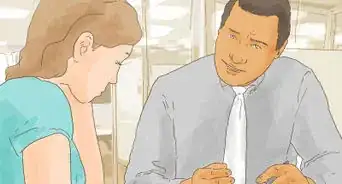
2Talk to someone at the school. If you feel unsafe or think that you need help controlling the teasing at school, talk to one of your teachers about the situation. Alternatively, you could reach out to your guidance counselor for support concerning the teasing. If necessary, your principal may also get involved.[16] [17]
- Report any type of teasing that is physical or sexual in nature immediately. This includes any hitting, slapping, or shoving, but also includes verbal/written sexual harassment. Tell a teacher that you are comfortable with, or go straight to the principal to report these issues. If they are not taken seriously, you should tell your parents and ask them to help.
-
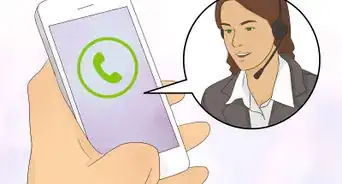
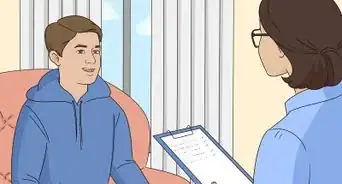
3Make an appointment with a counselor. If you are having a particularly hard time dealing with the teasing, and do not feel comfortable opening up to parents or teachers, ask your parents to make you an appointment with a professional counselor. Counselors are trained to listen to you and help you work through your problems. Counselors will also help you build coping skills to manage the stress in your life.[18]Advertisement


Expert Q&A
-
QuestionHow do I become less of a target for bullies?
 Katie StyzekKatie Styzek is a Professional School Counselor for Chicago Public Schools. Katie earned a BS in Elementary Education with a Concentration in Mathematics from the University of Illinois at Urbana-Champaign. She served as a middle school mathematics, science, and social studies teacher for three years prior to becoming a counselor. She holds a Master of Education (M.Ed.) in School Counseling from DePaul University and an MA in Educational Leadership from Northeastern Illinois University. Katie holds an Illinois School Counselor Endorsement License (Type 73 Service Personnel), an Illinois Principal License (formerly Type 75), and an Illinois Elementary Education Teaching License (Type 03, K – 9). She is also Nationally Board Certified in School Counseling from the National Board for Professional Teaching Standards.
Professional School CounselorTry to hang out with other people, as boys tend to pick on people who are alone. A lot of bullying takes place during unstructured time, like recess or lunch, so make sure you're with somebody else or engaged in game.
Warnings
- If you have any thoughts of hurting yourself or others, reach out for help immediately.Thanks!
- If you feel like you are in physical danger, reach out for help immediately.Thanks!





References
- ↑ https://www.mindtools.com/selfconf.html
- ↑ Katie Styzek. Professional School Counselor. Expert Interview. 28 October 2020.
- ↑ Katie Styzek. Professional School Counselor. Expert Interview. 28 October 2020.
- ↑ http://www.helpguide.org/articles/abuse/dealing-with-bullying.htm
- ↑ http://www.helpguide.org/articles/abuse/dealing-with-bullying.htm
- ↑ http://kidshealth.org/en/teens/bullies.html#
- ↑ http://kidshealth.org/en/teens/bullies.html#
- ↑ Katie Styzek. Professional School Counselor. Expert Interview. 28 October 2020.
- ↑ http://kidshealth.org/en/teens/bullies.html#
- ↑ https://www.psychologytoday.com/blog/brainstorm/201003/top-strategies-handling-bully
- ↑ http://kidshealth.org/en/teens/bullies.html#
- ↑ Katie Styzek. Professional School Counselor. Expert Interview. 28 October 2020.
- ↑ http://kidshealth.org/en/teens/bullies.html#
- ↑ http://www.helpguide.org/articles/abuse/dealing-with-bullying.htm
- ↑ Katie Styzek. Professional School Counselor. Expert Interview. 28 October 2020.
- ↑ http://www.helpguide.org/articles/abuse/dealing-with-bullying.htm
- ↑ Katie Styzek. Professional School Counselor. Expert Interview. 28 October 2020.
- ↑ http://www.helpguide.org/articles/abuse/dealing-with-bullying.htm
About This Article