This article was co-authored by Tiffany Jumaily, MD and by wikiHow staff writer, Hannah Madden. Dr. Tiffany Jumaily is a Board Certified Pediatrician and a fellow of the American Academy of Pediatrics (FAAP) based in Los Angeles, California. With over a decade of experience in the medical field, Dr. Jumaily specializes in identifying the root cause of symptoms and presenting manifestations of disease. She holds a BA in Biology from Boston University and an MD from Boston University School of Medicine. Her dedication to combining evidence-based allopathic medicine with complementary and alternative therapies has led to her being featured and cited in various platforms including U.S. News & World Report, Forbes, and CBS Los Angeles.
There are 27 references cited in this article, which can be found at the bottom of the page.
This article has been viewed 31,385 times.
Having high blood sugar levels can increase your risk of type 2 diabetes, hyperglycemia, diabetic neuropathy, and other major health complications. Whether you’re taking medication for high blood sugar or not, read this article to find things you can do in your daily routine to lower your blood sugar naturally. We'll not only give you recommendations for foods that can help reduce your blood sugar, we'll also provide other ways you can live a healthier lifestyle and have lower blood sugar.
Steps
Method 1
Method 1 of 15:Add plenty of fruit to your diet.
-
1Fruits like berries and avocado can lower your blood sugar levels. A study published in the National Library of Medicine found that eating raspberries with a high-carb meal may lessen insulin and blood sugar levels in people with prediabetes. [1] Avocados also offer some help when looking to reduce your blood sugar and insulin levels.[2] The fruit is loaded with healthy nutrients like omega 3 fatty acids and dietary fiber.[3]
- Eat 2 cups (470 mL) of raspberries with your meal to get these benefits.[4] If you're not a fan of raspberries, try blueberries or strawberries instead. These types of fruits have similar blood-sugar reducing power.[5]
- Eat 1 half of an avocado with your lunch to regulate your blood sugar and insulin levels.[6]
- Try making a tasty smoothie packed with raspberries, blueberries, and strawberries for an alternative way to get these benefits.[7]
Advertisement

Method 2
Method 2 of 15:Try tree nuts and ground nuts to curb your cravings.
-
1Both are great options to reduce your blood sugar. A 2018 study revealed that tree nuts like almonds, hazelnuts, and pistachios contain nutrients that help reduce excess body weight and regulate your blood sugar levels. Groundnuts, like peanuts, also offer the same benefits. Choose these for a cheaper option that provides the same benefits as tree nuts. [8]
- Stick to 1 ounce (28 g) of nuts for a nutrition-packed, healthy portion. This usually looks like 24 almonds, 12 hazelnuts, or 35 peanuts.[9]

Method 3
Method 3 of 15:Choose raw broccoli for a nutritious snack.
-
1Raw broccoli contains sulforaphane, a blood sugar-reducing property. A study published by Nutrients in 2019 found that this chemical has the ability to reduce blood sugar levels and even improve your insulin sensitivity. The chemical is released when you chew or chop raw broccoli, so add raw broccoli or broccoli sprouts to your lunch or eat them as a tasty, healthy snack. [10]
- Eat broccoli raw to get the most out of these benefits. Cooking broccoli reduces the amount of sulforaphane in the vegetable.[11]
- If you're not a fan of broccoli, try other cruciferous veggies like cauliflower, Brussels sprouts, and radishes.[12] Studies have shown these can decrease your risk of developing type 2 diabetes.[13]
Advertisement

Method 4
Method 4 of 15:Opt for seafood for a healthy, protein-packed meal.
-
1The protein in seafood makes you feel full and slows down digestion. This helps you avoid overeating. It also promotes weight loss and helps regulate your blood sugar levels after you eat.[14] For an excellent source of protein that regulates your blood sugar levels and even lowers your risk of developing type 2 diabetes, eat fatty fish. [15]

Method 5
Method 5 of 15:Remember to eat breakfast.
-
1Skipping breakfast can cause a blood sugar spike later on. If you don’t eat first thing in the morning, your blood sugar levels will probably be higher after you eat lunch and dinner. Try to eat right after you wake up, even if it’s something small.[19]
- Yogurt, fresh fruit, oatmeal, eggs, and smoothies are all great breakfast choices.
Advertisement

Method 6
Method 6 of 15:Eat balanced meals.
-
1Eat a mix of starches, fruits and vegetables, proteins, and fats. The more balanced your diet is, the better your blood sugar levels will regulate. Try to eat 3 meals a day with a mixture of every food group, including:[20]
- Vegetables: broccoli, carrots, greens, peppers, and tomatoes.
- Fruits: oranges, melon, berries, apples, bananas, and grapes.
- Whole grains: wheat, rice, oats, cornmeal, barley, and quinoa.
- Lean protein: chicken, turkey, fish, eggs, nuts, and dried beans.
- Dairy: milk, yogurt, and cheese.

Method 7
Method 7 of 15:Limit your portions.
-
1Overeating can cause a spike in your blood sugar. When you serve yourself a meal, try using the plate method: fill 1/2 of the plate with non starchy vegetables, 1/4 of the plate with lean protein, and 1/4 of the plate with whole grains. You can fill up a 9 in (23 cm) dinner plate with your food to avoid overeating.[21]
- Drink water or unsweetened iced tea with your meals to stay healthy.
Advertisement

Method 8
Method 8 of 15:Get 25 to 38 grams of fiber per day.
-
1Fiber decreases your blood sugar and insulin concentrations. In general, you should aim for around 30 grams per day. You can find fiber in brown rice, barley, starchy vegetables, fruits, and beans.[22]
- Women 50 and below need 25 grams of fiber per day, while women 51 and above need 21 grams of fiber per day.
- Men 50 and below need 38 grams of fiber per day, while men 51 and above need 30 grams of fiber per day.
- While fiber supplements do exist, it’s better to get your fiber from food than it is from a pill. If you would like to take fiber supplements, talk with your doctor to see what’s right for you.

Method 9
Method 9 of 15:Slow your digestion with healthy fats.
-
1When your digestion is slow, your blood sugar doesn’t spike as quickly. When you’re cooking, try to add in healthy fats like peanut butter, ricotta cheese, yogurt, or nuts. You can also eat olive oil, fish oils, flax seeds, or avocados.[23] [24]
- It’s a great idea to eat some healthy fats right after you’ve had a large meal. If you slow down your digestion, you can control your blood sugar levels better.
Advertisement

Method 10
Method 10 of 15:Eat fewer carbs.
-
1Too many carbs can cause your blood sugar to rise.[25] On average, you should try to get about 1/2 of your daily calories from carbs. If you’re eating 1,800 calories per day, about 900 of those should be carbs. High-carb foods include candy, white pasta, white bread, breakfast cereal, cookies and baked goods, and sweetened yogurt.[26]
- Carbs are broken down into sugar, and that sugar is absorbed by insulin. If you have insulin issues, your body won’t be able to absorb the sugars, and it could cause your sugar levels to spike.

Method 11
Method 11 of 15:Add cinnamon to your diet.
-
1Some studies show that cinnamon can lower your blood sugar levels. Aim for adding around 1/2 tsp (2.8 g) to your diet every day. You can sprinkle it on top of oatmeal or add it to smoothies for an easy way to lower your blood sugar.[27]
- Cinnamon supplements are on the market, but it’s always better to get your nutrients from actual food. Your body will have an easier time absorbing cinnamon if you eat it rather than if you take it as a pill.
- Eating too much cinnamon can have negative effects on your liver. Stick to 1/2 tsp (2.8 g) per day to keep your body healthy.[28]
Advertisement

Method 12
Method 12 of 15:Drink a lot of water.
-
1Water helps flush excess sugar out through your kidneys. When you’re thirsty, sip on a glass of water instead of juice or soda. Try keeping a water bottle nearby so you can use it throughout the day.[29]

Method 13
Method 13 of 15:Exercise regularly.
-
1Aim for around 30 minutes per day. Exercise naturally helps lower your blood sugar by forcing your muscles to use glucose for energy and increasing your body’s sensitivity to insulin. You could try walking, jogging, cycling, hiking, weight training, or swimming to get your blood pumping and your sugar levels lower.[32]
- Exercising also helps you stay in shape, which is great for your overall health.
Advertisement

Method 14
Method 14 of 15:Lower your stress levels.
-
1Stress causes your body to release more sugar. If you’re feeling stressed out, try some meditation, yoga, or a calming nature walk to calm yourself down. Lowering your stress levels can take some time, and you may have to try out a few things until you find what’s right for you.[33]
- You can also lower your stress levels by reading a good book, listening to soothing music, taking a relaxing bath, or going for a drive.

Method 15
Method 15 of 15:Aim for 7 to 9 hours of sleep per night.
-
1Lack of sleep can make your body use insulin inefficiently. Try to go to bed around the same time every night, and get around 8 hours of sleep every day. Not only will your blood sugar levels be better, you’ll feel better overall, too.[34]
- If you have trouble falling asleep, try to keep your room dark, cool, and quiet. Turn off your electronics about 30 minutes before you go to bed to help you fall asleep faster.
Advertisement

Expert Q&A
-
QuestionWhat foods raise blood sugar quickly?
 Tiffany Jumaily, MDDr. Tiffany Jumaily is a Board Certified Pediatrician and a fellow of the American Academy of Pediatrics (FAAP) based in Los Angeles, California. With over a decade of experience in the medical field, Dr. Jumaily specializes in identifying the root cause of symptoms and presenting manifestations of disease. She holds a BA in Biology from Boston University and an MD from Boston University School of Medicine. Her dedication to combining evidence-based allopathic medicine with complementary and alternative therapies has led to her being featured and cited in various platforms including U.S. News & World Report, Forbes, and CBS Los Angeles.
Board Certified PediatricianFoods with added sugar or a high glycemic index will definitely raise your blood sugar. -
QuestionWhat foods stabilize blood sugar?Tiffany Jumaily, MDDr. Tiffany Jumaily is a Board Certified Pediatrician and a fellow of the American Academy of Pediatrics (FAAP) based in Los Angeles, California. With over a decade of experience in the medical field, Dr. Jumaily specializes in identifying the root cause of symptoms and presenting manifestations of disease. She holds a BA in Biology from Boston University and an MD from Boston University School of Medicine. Her dedication to combining evidence-based allopathic medicine with complementary and alternative therapies has led to her being featured and cited in various platforms including U.S. News & World Report, Forbes, and CBS Los Angeles.
Board Certified PediatricianSnack on foods with healthy fats and proteins—this can keep your blood sugar more stable. You can also mix inulin powder into your food or drinks, which helps keep your blood sugar a little more stable. -
QuestionHow can I eat carbs without raising blood sugar?Tiffany Jumaily, MDDr. Tiffany Jumaily is a Board Certified Pediatrician and a fellow of the American Academy of Pediatrics (FAAP) based in Los Angeles, California. With over a decade of experience in the medical field, Dr. Jumaily specializes in identifying the root cause of symptoms and presenting manifestations of disease. She holds a BA in Biology from Boston University and an MD from Boston University School of Medicine. Her dedication to combining evidence-based allopathic medicine with complementary and alternative therapies has led to her being featured and cited in various platforms including U.S. News & World Report, Forbes, and CBS Los Angeles.
Board Certified PediatricianEat more healthy fats and protein to help keep your blood sugar a little more stable. -
QuestionWhat can I drink to lower my blood sugar?
 Dee DineDee Dine is a Nutrition and Vegan Food Specialist and the founder of Green Smoothie Gourmet, a blog dedicated to healthy, plant-based vegan, limited ingredient recipes. Dee holds a BS in Biology/Biochemistry with an emphasis in Immunology. Dee has written two books full of healthy plant-based recipes, including chocolate desserts, snacks, juices and, wellness shots. They are: "Crazy Healthy with 4 Ingredients: Dessert, Breakfast & Snack Vegan Recipes" and "4-Ingredient Smoothies and Juices: 100 Easy Nutritious Recipes for Lifelong Health". Dee is an editor with TheFeedFeed, a crowdsourced digital cooking publication, and has been featured on BuzzFeed, Marie Claire, the Academy of Culinary Nutrition, Well + Good, and Hello Glow.
Nutrition & Vegan Food SpecialistTake cinnamon supplements to lower blood sugar immediately, or add a teaspoon of cinnamon to hot, dairy-free milk. Drinking beet juice can also help.
Warnings
- Don’t stop taking prescribed drugs or medications on your own without first consulting with your healthcare provider.Thanks!
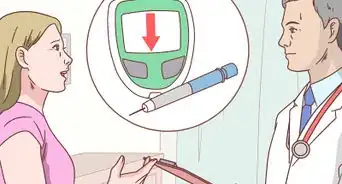
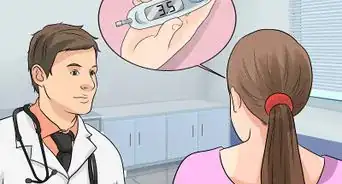
- Consult with your healthcare provider before making any major, sudden changes to your diet and exercise routine. If your goal is to lower blood sugar naturally, your healthcare provider can help you gradually ease into a new regime without increasing your risk for complications.Thanks!




-Step-10.webp)


References
- ↑ https://pubmed.ncbi.nlm.nih.gov/30767409/
- ↑ https://pubmed.ncbi.nlm.nih.gov/24279738/
- ↑ https://www.ncbi.nlm.nih.gov/pmc/articles/PMC3664913/
- ↑ https://pubmed.ncbi.nlm.nih.gov/30767409/
- ↑ https://www.ncbi.nlm.nih.gov/pmc/articles/PMC6683271/
- ↑ https://www.ncbi.nlm.nih.gov/pmc/articles/PMC3664913/
- ↑ https://health.clevelandclinic.org/how-to-make-healthy-and-delicious-smoothies/
- ↑ https://www.ncbi.nlm.nih.gov/pmc/articles/PMC6267433/
- ↑ https://my.clevelandclinic.org/health/drugs/17283-nutrition-nuts--heart-health
- ↑ https://www.ncbi.nlm.nih.gov/pmc/articles/PMC6566605/
- ↑ https://pubs.acs.org/doi/full/10.1021/acs.jafc.7b05913
- ↑ https://www.mayoclinichealthsystem.org/hometown-health/speaking-of-health/superfoods-why-you-should-eat-cruciferous-vegetables
- ↑ https://www.ncbi.nlm.nih.gov/pmc/articles/PMC4718092/
- ↑ https://www.ncbi.nlm.nih.gov/pmc/articles/PMC6724448/
- ↑ https://pubmed.ncbi.nlm.nih.gov/28606215/
- ↑ https://pubmed.ncbi.nlm.nih.gov/28606215/
- ↑ https://pubmed.ncbi.nlm.nih.gov/28606215/
- ↑ https://www.mayoclinic.org/diseases-conditions/heart-disease/in-depth/omega-3/art-20045614
- ↑ https://www.cdc.gov/diabetes/library/spotlights/blood-sugar.html
- ↑ https://www.niddk.nih.gov/health-information/diabetes/overview/diet-eating-physical-activity
- ↑ https://www.cdc.gov/diabetes/managing/eat-well/meal-plan-method.html#plate
- ↑ https://www.mayoclinic.org/healthy-lifestyle/nutrition-and-healthy-eating/in-depth/fiber/art-20043983
- ↑ https://www.helpguide.org/articles/diets/the-diabetes-diet.htm
- ↑ Tiffany Jumaily, MD. Board Certified Pediatrician. Expert Interview. 16 March 2021.
- ↑ Tiffany Jumaily, MD. Board Certified Pediatrician. Expert Interview. 16 March 2021.
- ↑ https://www.cdc.gov/diabetes/managing/eat-well/diabetes-and-carbohydrates.html
- ↑ https://health.clevelandclinic.org/can-taking-cinnamon-lower-your-blood-sugar/
- ↑ https://badgut.org/information-centre/health-nutrition/cinnamon/
- ↑ https://diabeteson.com/13-methods-to-reduce-reduce-blood-sugar-naturally/
- ↑ https://www.mayoclinic.org/diseases-conditions/diabetes/in-depth/diabetes-management/art-20047963
- ↑ https://www.mayoclinic.org/healthy-lifestyle/nutrition-and-healthy-eating/in-depth/water/art-20044256
- ↑ https://diabeteson.com/13-methods-to-reduce-reduce-blood-sugar-naturally/
- ↑ https://dtc.ucsf.edu/types-of-diabetes/type2/understanding-type-2-diabetes/how-the-body-processes-sugar/blood-sugar-stress/
- ↑ https://www.cdc.gov/diabetes/library/spotlights/blood-sugar.html
About This Article

Medical Disclaimer
The content of this article is not intended to be a substitute for professional medical advice, examination, diagnosis, or treatment. You should always contact your doctor or other qualified healthcare professional before starting, changing, or stopping any kind of health treatment.