This article was co-authored by R. Sonia Batra, MD, MSc, MPH and by wikiHow staff writer, Hannah Madden. Dr. R. Sonia Batra is a board certified Dermatologist and the Founder of Batra Dermatology based in Los Angeles, California. With over 15 years of experience, Dr. Batra specializes in lasers, medical devices, patient and public medical education, and skin cancer research. She received her Bachelor’s degree, Master’s degree in Public Health, and her Doctor of Medicine (MD) degrees from Harvard University. As a Rhodes Scholar, she earned a Master’s degree in Molecular Genetics at the University of Oxford. She completed her residency training in Dermatology at Stanford University. Dr. Batra has contributed and reviewed for the Journal of Dermatologic Surgery, the Journal of the American Academy of Dermatology, and JAMA Dermatology. She is also a co-host of CBS’ Emmy award-winning television show, The Doctors.
There are 8 references cited in this article, which can be found at the bottom of the page.
This article has been viewed 1,532 times.
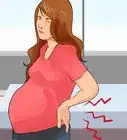
As a new parent, you have a ton of things to worry about—and if your C-section scar is one of them, you’re not alone. It’s perfectly normal to want to do everything you can to make sure your wound heals well with minimal scarring. We’ve compiled a list of things that you can do to keep your C-section incision small and smooth, both during the healing process and after.
Steps
Method 1
Method 1 of 11:Keep the area clean as it heals.
-
1In the shower, let soap and water run over the area. If the area gets infected, it might not heal properly, which can lead to a more pronounced scar. There’s no need to scrub or rub the area; just make sure you wash it every day.[1]
- If the area starts to smell, talk to your doctor. This could be the first sign of an infection.
Advertisement

Method 2
Method 2 of 11:Wear loose clothing that doesn’t rub.
-
1Tight clothes can irritate your incision. While your scar is healing, try to wear loose cotton T-shirts and flowy blouses that don’t chafe your skin. If you’re just lounging at home or heading to bed, you could even take off your shirt entirely and just wear a sports bra.[2]
- This is especially important if you still have stitches or staples in the incision. Rubbing or chafing them can cause them to fall out too early, leading to a more pronounced scar.

Method 3
Method 3 of 11:Cover the scar when you go outside.
-
1Exposure to the sun can really darken a C-section scar. If you’re heading out for the day, cover up with a shirt or wear SPF 30 sunscreen to keep your scar protected. Stay away from tanning beds at all costs, since those can really deepen the appearance of your scar (and increase your risk of skin cancer).[3]
- It’s important to protect your scar from the sun even after it’s healed. It can still get darker over time with sun exposure.
Advertisement

Method 4
Method 4 of 11:Use a silicone cream or gel.
-
1Silicone sheets, creams, and gels can help reduce the appearance of scars. You can find them at most drug stores. If you use a silicone sheet, simply peel off the back and place it over your scar every day. For creams and gels, rub a small amount into the area and let it soak in.[4] [5]
- Silicone sheets are the most effective at lightening and flattening scars. You can usually start using them 3 to 4 weeks after your surgery (if your doctor says it’s okay).
- If you feel any discomfort or develop a rash, stop using the products and talk to your doctor.

Method 5
Method 5 of 11:Try a polyurethane dressing.
-
1This moist, flexible pad can reduce the appearance of scars. You can find them at a drug store or a home goods store near you. Peel the back off the pad and wear it over your scar every day for about 6 weeks. Over time, it will help reduce redness and prevent a raised scar.[6]
- Studies show that wearing a pressure garment, like Spanks, over a polyurethane dressing can help it heal scars faster and reduce their appearance more.
- If you’re already using a silicone cream or gel, you don’t need to use a polyurethane dressing.
Advertisement

Method 6
Method 6 of 11:Moisten the scar with petroleum jelly.
-
1Make sure the wound is fully healed before you do so. Once a day, rub a thin layer of petroleum jelly over the scar to keep it moist and fade the scarring. Dry skin causes scars to be more pronounced, so it’s important to moisturize.[7]
- Petroleum jelly is the best choice because it’s fragrance- and dye-free. Scented lotions can irritate your skin and cause itching.

Method 7
Method 7 of 11:Get laser therapy on your scar.
-
1Lasers can lighten and soften the appearance of your scar. You can usually start laser therapy as soon as your stitches have been removed. Depending on how deep and dark your scar is, you might need 1 to 4 sessions in total.[8] [9]
- Laser therapy treatments for scars usually aren’t covered by your insurance. They can cost between $250 and $1,000 in total depending on how many treatments you need.
Advertisement

Method 8
Method 8 of 11:Try steroid injections for keloid scars.
-
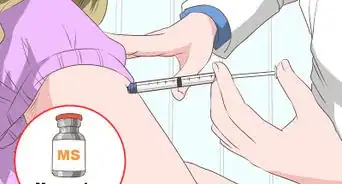
1You can get your first injection as soon as the scar heals. For raised scars, or keloid scars, steroid injections can help shrink the scar by almost 50%. You’ll probably need monthly injections for 3 to 6 months, and each injection usually costs around $50.[10]
- Steroid injections might be covered by insurance depending on who your provider is.
- If you’re prone to keloid scars, you can ask your doctor to give you steroid injections right after the C-section as a preventative measure.
- Your doctor may also recommend getting bleomycin injections, which can help to flatten a keloid scar.[11]

Method 9
Method 9 of 11:Get a scar removal surgery.
-
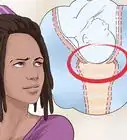
1Talk to a surgeon to see if you’re a good candidate for this operation. A scar removal involves re-opening your scar, removing the skin around it, then closing it up again. It can lead to a lighter, thinner scar, which is great if you have a thick or raised one and you aren’t a fan of it.[12]
- Some surgeries can be done with local anesthesia, while others require you to go completely under sedation.
Advertisement

Method 10
Method 10 of 11:Hide the scar with a tummy tuck.
-
1This cosmetic surgery gets rid of extra fat and skin on your stomach. If you have a C-section scar, your surgeon can actually get rid of it when they remove the excess skin on your belly. Keep in mind that tummy tucks do leave scars of their own, but they’re usually smaller and lighter than C-section scars.[13]
- You can talk to your doctor to see if you’re a good candidate for a tummy tuck. They might caution you against it if you plan to get pregnant in the future, you have a chronic condition, or you plan to lose a lot of weight anytime soon.
- Since a tummy tuck is a cosmetic surgery, it usually isn’t covered by insurance. Prices vary from surgeon to surgeon, but they usually cost around $8,000.

Method 11
Method 11 of 11:Eat a healthy diet and drink lots of water.
-
1This is especially important if your scar is still healing. Try to eat 3 balanced meals a day and drink water to keep your body hydrated. The healthier you are, the better your scar will heal over time.[14]
- Try to stay away from caffeine and alcohol, as those can dehydrate you.
- Talk to your doctor before exercising again. If you try to do too much too quickly, you could injure yourself.
Advertisement

Expert Q&A
-
QuestionWhy should you massage your C-section scar?
 R. Sonia Batra, MD, MSc, MPHDr. R. Sonia Batra is a board certified Dermatologist and the Founder of Batra Dermatology based in Los Angeles, California. With over 15 years of experience, Dr. Batra specializes in lasers, medical devices, patient and public medical education, and skin cancer research. She received her Bachelor’s degree, Master’s degree in Public Health, and her Doctor of Medicine (MD) degrees from Harvard University. As a Rhodes Scholar, she earned a Master’s degree in Molecular Genetics at the University of Oxford. She completed her residency training in Dermatology at Stanford University. Dr. Batra has contributed and reviewed for the Journal of Dermatologic Surgery, the Journal of the American Academy of Dermatology, and JAMA Dermatology. She is also a co-host of CBS’ Emmy award-winning television show, The Doctors.
Board Certified DermatologistGentle massage can help the scar remodel and soften. Just be careful to avoid aggressively traumatizing the area.
Warnings
- Talk to your doctor before trying any new treatment methods for your C-section scar.Thanks!
- Some people recommend vitamin E oil for scars; however, studies on vitamin E for scarring are limited, so there’s no scientific evidence to support that claim.[15]Thanks!

References
- ↑ https://intermountainhealthcare.org/blogs/topics/intermountain-moms/2018/03/the-dos-and-donts-of-healing-from-a-csection/
- ↑ https://www.nct.org.uk/labour-birth/different-types-birth/caesarean-birth/caesarean-birth-c-section-recovery-tips
- ↑ https://www.aad.org/public/diseases/a-z/scars-treatment
- ↑ https://www.aad.org/public/diseases/a-z/scars-treatment
- ↑ R. Sonia Batra, MD, MSc, MPH. Board Certified Dermatologist. Expert Interview. 14 May 2021.
- ↑ https://www.aad.org/public/diseases/a-z/scars-treatment
- ↑ https://www.skincancer.org/blog/embrace-your-scars/?utm_source=Twitter&utm_medium=SocialMedia&utm_content=Journal17
- ↑ https://www.asds.net/skin-experts/skin-treatments/laser-light-therapy/laser-therapy-for-scars
- ↑ R. Sonia Batra, MD, MSc, MPH. Board Certified Dermatologist. Expert Interview. 14 May 2021.
- ↑ https://www.aad.org/public/diseases/a-z/scars-treatment
- ↑ https://www.aad.org/public/diseases/a-z/scars-treatment
- ↑ https://www.plasticsurgery.org/reconstructive-procedures/scar-revision
- ↑ https://www.mayoclinic.org/tests-procedures/tummy-tuck/about/pac-20384892
- ↑ https://intermountainhealthcare.org/blogs/topics/intermountain-moms/2018/03/the-dos-and-donts-of-healing-from-a-csection/
- ↑ https://www.aad.org/public/diseases/a-z/scars-treatment
About This Article

Medical Disclaimer
The content of this article is not intended to be a substitute for professional medical advice, examination, diagnosis, or treatment. You should always contact your doctor or other qualified healthcare professional before starting, changing, or stopping any kind of health treatment.