This article was co-authored by Trudi Griffin, LPC, MS and by wikiHow staff writer, Janice Tieperman. Trudi Griffin is a Licensed Professional Counselor in Wisconsin specializing in Addictions and Mental Health. She provides therapy to people who struggle with addictions, mental health, and trauma in community health settings and private practice. She received her MS in Clinical Mental Health Counseling from Marquette University in 2011.
There are 16 references cited in this article, which can be found at the bottom of the page.
wikiHow marks an article as reader-approved once it receives enough positive feedback. In this case, 83% of readers who voted found the article helpful, earning it our reader-approved status.
This article has been viewed 143,023 times.
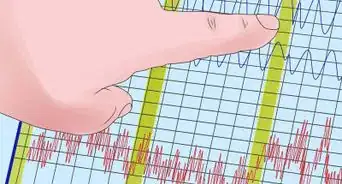
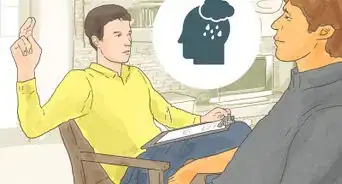
Do you suspect that someone lied to you? Thankfully, you don’t need a polygraph test to get to the bottom of things. According to body language experts and law enforcement veterans, liars provide plenty of accidental hints and clues when they’re being less than honest. When you’re speaking with someone you know pretty well, think about their baseline, or how they’d normally act in a stressful situation.[1] If their behavior doesn’t seem to add up, check out this list—we’ve put together lots of signs and red flags to look out for so you can get to the truth of the matter.
Steps
Method 1
Method 1 of 21:Breathing Rapidly
-
1People tend to breathe heavily when they lie. Listen to their breathing, and keep a close eye on their posture. When breathing heavily, people tend to lift their shoulders and speak in a more shallow tone of voice.[2]

Method 2
Method 2 of 21:Fidgeting or Staying Completely Still
-
1Liars tend to either fidget too much or sit rigidly. Take a close look at their body language—a fidgeting person might shuffle their feet, move their head from side to side, or shift back and forth.[3] On the other hand, a liar might look as still as a statue and not fidget whatsoever.[4]
- In any nerve-wracking situation, like telling a lie, the body goes into “fight or flight” mode. Staying still is more of a “fight” response, which is a red flag.
- Keep the person’s baseline behavior in mind, if you can. If a person usually fidgets when standing still, this behavior might not be a sign of lying.[5]

Method 3
Method 3 of 21:Fleeting Microexpressions
-
1Liars tend to show emotion one way or another. In many cases, their expressions will shift for a fraction of a second—these are also known as microexpressions. Pay attention for tiny shifts in a person’s face throughout a conversation. A liar might show their real colors for a brief moment, even if they don’t mean to.[6]
- For example, a liar might show a microexpression of guilt or regret while telling their story, which proves they could be lying.

Method 4
Method 4 of 21:Darting Eyes
-
1Darting eyes are a big sign of discomfort. If someone just lied to you, they’re probably feeling uncomfortable, especially if you’re peppering them with questions. If a person’s eyes start quickly shifting to the left and right, there’s a good chance that they aren’t telling the truth.[7]

Method 5
Method 5 of 21:Blinking Fast
-
1Count how many times the person blinks in a row. While the occasional blink is expected, 5 to 6 blinks in a row definitely aren’t. If someone starts blinking rapidly, they’re probably not telling you the full truth.[8]
- For reference, most people only blink about 5 times in a single minute, not in a matter of seconds.

Method 6
Method 6 of 21:Shutting Eyes
-
1Count how long the person keeps their eyes closed. Normally, people blink in a matter of milliseconds. When telling a lie, they’ll shut their eyes for at least 1 second. [9]

Method 7
Method 7 of 21:Faking a Smile
-
1A real smile affects the entire face. When a liar smiles, their expression may look tight or forced, instead of genuine. Think of it this way—if you see crow’s feet on a person’s face, they’re probably telling the truth.[10]

Method 8
Method 8 of 21:Touching their Face
-
1According to experts, people tend to feel itchy after spouting a lie. See if the person is rubbing or scratching their face throughout the conversation. If so, there’s a good chance that they aren’t telling you the full truth.[11]

Method 9
Method 9 of 21:Pursing Lips
-
1A person’s mouth may go dry when they tell a lie. To counteract this, they might purse their lips. Take a close look at their mouth—if their lips look tight and pinched, they might be hiding the truth.[12]

Method 10
Method 10 of 21:Sweating Excessively
-
1The body tends to sweat extra after telling a lie. Does the person’s forehead, cheeks, or back of the neck seem especially sweaty? See if the person starts wiping at these areas more than they usually would.[13]

Method 11
Method 11 of 21:Flushing or Turning Pale

Method 12
Method 12 of 21:Shaking Their Head
-
1People often nod when telling the truth. On the other hand, some people tend to shake their heads left and right when they lie. Pay close attention whenever they make a statement—If they shake their head while speaking, they might be lying.[16]

Method 13
Method 13 of 21:Gesturing Too Late
-
1Usually, people gesture as they talk, not after. Pay attention to the person’s hand movements throughout the conversation. If they’re lying, the person will move their hands after sharing their story, instead of while they’re telling it.[17]

Method 14
Method 14 of 21:Making Quick Corrections
-
1Liars can’t keep track of their stories. Because of this, they’ll probably slip up along the way and “correct” themselves. While a couple of corrections aren’t necessarily suspicious, constant backtracking and editing definitely are.[18]

Method 15
Method 15 of 21:Repeating Words
-
1Liars tend to repeat words for different reasons. They might say the same phrase over and over to drill it in your mind, or to give themselves some extra time to put together a good lie. Regardless, it’s probably bad news if the person in question is repeating themselves a lot.[19]
- For instance, the person might say “I didn’t do it” over and over again, or “Listen to me.”

Method 16
Method 16 of 21:Speaking Too Vaguely
-
1Liars tend to gloss over the details. A truthful person will remember and include the little details in a story, like what was playing on the radio, or what color the wallpaper was. Since they’re making up or heavily editing a story, a liar won’t have this same attention to detail, and will speak in a vague, basic way.[20]

Method 17
Method 17 of 21:Talking Slowly
-
1Liars need extra time to get their story straight. A truthful person can recall a story at a pretty normal pace, but a liar will spend extra time lining up the details and editing their story. If the person is speaking a turtle’s pace, there’s a good chance that they’re being deceitful.[21]

Method 18
Method 18 of 21:Speaking in a High Pitch
-
1The vocal cords tend to tighten when a person feels nervous or stressed. Because of this, if someone is telling a lie, their voices might sound a lot higher than usual. Their voice might also sound “creaky,” too.[22]
- A person might also clear their throat a lot when they’re lying.

Method 19
Method 19 of 21:Using Vocal Filler
-
1Listen for words like “uh,” “um,” and “like.” In some cases, liars will string their lie together on the spot. As they come up with their story, they’ll use filler words to bridge the gaps in the conversation.[23]

Method 20
Method 20 of 21:Overstating Honesty
-
1A truthful person doesn’t need to state their honesty over and over again. On the other hand, liars may feel the need to remind you about how “honest” they are. If they toss around phrases like “in all candor” or “if I’m being totally honest,” there’s a good chance they aren’t actually being honest at all.[24]

Method 21
Method 21 of 21:Answering Quickly
-
1Some liars create their story ahead of time. When you ask them a question, they’ll reply with the story they’ve already created, instead of taking a moment to come up with an answer. Pay attention to how quickly they reply—an instant answer may be a big red flag.[25]

Community Q&A
-
QuestionMy sister lies a lot. How can I tell if she’s lying?
 wikiHow Staff EditorThis answer was written by one of our trained team of researchers who validated it for accuracy and comprehensiveness.
Staff AnswerwikiHow Staff EditorStaff AnswerPay attention to her body language the next time you speak with her. Liars tend to use certain cues and habits without realizing it, like breathing rapidly, fidgeting, darting their eyes, and blinking fast. If your sister does any of these things, there’s a good chance that she’s lying to you. -
QuestionHow do I know someone is lying in a phone or not?wikiHow Staff EditorThis answer was written by one of our trained team of researchers who validated it for accuracy and comprehensiveness.
Staff AnswerwikiHow Staff EditorStaff AnswerCall the person up, if you can. While there’s no replacement for a face-to-face meeting, there are plenty of audio cues that point to someone being dishonest, like using vocal filler, speaking in a high-pitched voice, talking slowly, or repeating phrases. -
QuestionWhat if they're a good liar and can easily cover up their tracks?
 Community AnswerThere is only one version of the truth. On the other hand, there are many versions of a lie. A liar usually won't tell the exact same story twice, so listen closely for any inconsistencies.
 -
QuestionWould a liar stutter a lot when they speak?
 Community AnswerIt's possible, but some people just naturally stutter, so you'd have to know the person and know if it's common for them to stutter or not.
 -
QuestionWill someone look me in the eyes if they are lying?Community AnswerIf they have experience yes, they may be able to stare you down unflinchingly. If they try to avoid eye contact or suddenly find the ceiling a lot more interesting, chances are, they're lying.
-
QuestionWhat should I do if I know someone is lying, but I don't want to be rude?Community AnswerYou don't want the person to get away with lying if you know the truth, so politely tell them that you know that is not true. Honesty is a form of trust and kindness, and if the liar keeps saying they aren't lying, tell them that.
-
QuestionIf someone repeats their story very fast, does that mean they are lying?Community AnswerIt depends. In some situations, the person might have had to repeat this story numerous times, so they just want to say it quickly and get it done with. However, it can depend on the person, too. Everyone has some sort of sign they make when they are lying and for some people it is talking quickly. Maybe just ask if they are telling the truth, because you don't want to accuse someone of lying when they are not or you are unsure.
-
QuestionIf I ask her a question and she blinks 4 times, is she lying?Community AnswerNot necessarily. Some people just blink a lot, or she could have something in her eye. However, it might mean that she is surprised or worried by your question, which could mean she is lying.
-
QuestionAre sexual predators liars?
 Community AnswerOf course. Sexual predators will say whatever they need to to get you to where they can take advantage of you.
 -
QuestionDo people who lie repeatedly nod their head?Community AnswerNodding is sometimes a sign of lying, but lack of eye contact, repeated swallowing and fidgeting are more common signs.












References
- ↑ https://www.oprahmag.com/life/relationships-love/a29590620/how-to-tell-if-someone-is-lying/
- ↑ https://www.businessinsider.com/11-signs-someone-is-lying-2014-4#2-their-breathing-may-also-change-2
- ↑ https://time.com/5443204/signs-lying-body-language-experts/
- ↑ https://www.businessinsider.com/11-signs-someone-is-lying-2014-4#2-their-breathing-may-also-change-2
- ↑ https://www.oprahmag.com/life/relationships-love/a29590620/how-to-tell-if-someone-is-lying/
- ↑ https://www.nbcnews.com/better/health/how-tell-if-someone-lying-according-behavioral-experts-ncna786326
- ↑ https://www.businessinsider.com/how-to-tell-someones-lying-by-watching-their-face-2016-1
- ↑ https://www.businessinsider.com/how-to-tell-someones-lying-by-watching-their-face-2016-1#watch-their-eyes-1
- ↑ https://www.businessinsider.com/how-to-tell-someones-lying-by-watching-their-face-2016-1#count-how-long-someone-closes-their-eyes-3
- ↑ https://www.nbcnews.com/better/health/how-tell-if-someone-lying-according-behavioral-experts-ncna786326
- ↑ https://www.businessinsider.com/how-to-tell-someones-lying-by-watching-their-face-2016-1#watch-their-hands-as-well-8
- ↑ https://www.businessinsider.com/how-to-tell-someones-lying-by-watching-their-face-2016-1#and-keep-an-eye-on-what-they-do-with-their-mouth-9
- ↑ https://www.businessinsider.com/how-to-tell-someones-lying-by-watching-their-face-2016-1#take-note-of-any-excessive-sweating-10
- ↑ https://www.businessinsider.com/how-to-tell-someones-lying-by-watching-their-face-2016-1#and-in-some-instances-notice-when-the-person-blushes-11
- ↑ https://time.com/5443204/signs-lying-body-language-experts/
- ↑ https://www.businessinsider.com/how-to-tell-someones-lying-by-watching-their-face-2016-1#pay-attention-to-which-direction-they-shake-their-head-12
- ↑ https://time.com/5443204/signs-lying-body-language-experts/
- ↑ https://www.psychologytoday.com/us/blog/fulfillment-any-age/201407/9-ways-tell-whos-lying-you
- ↑ https://www.independent.co.uk/life-style/signs-someone-lying-not-telling-truth-a7606246.html
- ↑ https://www.psychologytoday.com/us/blog/fulfillment-any-age/201407/9-ways-tell-whos-lying-you
- ↑ https://www.psychologytoday.com/us/blog/fulfillment-any-age/201407/9-ways-tell-whos-lying-you
- ↑ https://time.com/5443204/signs-lying-body-language-experts/
- ↑ https://time.com/5443204/signs-lying-body-language-experts/
- ↑ https://www.inc.com/bill-murphy-jr/how-to-tell-if-someone-is-lying-10-tells-and-clues.html
- ↑ https://www.entrepreneur.com/article/281593
- ↑ https://time.com/5443204/signs-lying-body-language-experts/
About This Article

If you’re looking for clues on whether or not a person is lying, closely watch their body language for tell-tale signs of lying like frequent throat clearing and swallowing. Pay attention to sudden hand-to-face movements, since some people tend to fix their hair or touch their ears when they lie. When they speak, listen for inconsistent details, or quick corrections to their story, which are both flags that they might be lying. For tips on how to spot liars based on facial expressions and microexpressions, keep reading!