This article was co-authored by Pippa Elliott, MRCVS. Dr. Elliott, BVMS, MRCVS is a veterinarian with over 30 years of experience in veterinary surgery and companion animal practice. She graduated from the University of Glasgow in 1987 with a degree in veterinary medicine and surgery. She has worked at the same animal clinic in her hometown for over 20 years.
There are 9 references cited in this article, which can be found at the bottom of the page.
This article has been viewed 5,020 times.
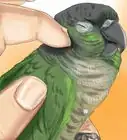
You love your conure, so you want them to look and feel great. The best way to do that is through regular, thorough grooming, which will help your bird to eat properly and stay clean and nicely balanced. You’ll get to wash your conure, keep their toenails short, and make sure their beak is well-trimmed. Not only will your bird look great afterwards, but they’ll enjoy the pampering, too!
Steps
Method 1
Method 1 of 3:Bathing Your Conure
-
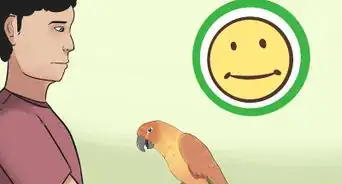
1Give them a misting in a warm place. Hold a spray bottle above your bird's head and give them a light spritz down onto their head and body. They'll let you know they enjoy it by spreading their wings and lowering their heads. You can buy spray bottles in your local grocery store or beauty supply store.
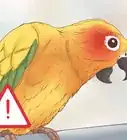
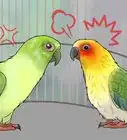
- If your bird starts squawking or tries to fly away, stop misting them. Leave the spray bottle near them for a few days to let them get used to it, then give a few sprays in their general direction for the next few days. Then, you can try spraying their head and body again.[1]
- If your bird is enthusiastic about getting spritzed, you can even let them shower with you.[2]
-
2Set up a bird bath. Fill a shallow bowl with about 1 inch (2.5 cm) of room temperature or lukewarm water and allow your feathered friend to do the rest. You could also buy cage-mounted bird baths in your local pet store.
- Avoid using soap for routine cleanings, as it can remove the natural oils from your bird’s feathers, dries out its skin, and can take months to wash out.[3]
Advertisement -
3Take your bird to the vet if it gets a toxic substance in its feathers. They may submerge the bird in water and wash them with a degreasing soap, like liquid dish soap. Expect to wait a few months before your bird’s plumage returns to normal after this kind of intensive washing.[4]
- Toxic substances that warrant a trip to the vet’s include paint, glue, oil, grease, wax, or other materials that stick to the bird’s skin or feathers.
- If your bird gets a toxic substance on its feathers, prevent it from cleaning its feathers with its beak by making a cone out of cardboard and tape and putting it around its head. You can also put your bird in a sock so just its head is sticking out until you take it to the vet.
-
4Let your bird dry off. Place your bird in a warm spot with no drafts to let them finish preening. A warm, steamy bathroom is a great place to let your bird dry off, as the high humidity is good for their nares and sinuses.[5]
- Your bird can tolerate a wide range of temperatures, but to avoid chilling, you should avoid washing them when their surrounding temperature is significantly colder (10 or more degrees colder) than they’re used to.
- Never blow dry your bird's feathers. The non-stick coating on the dryer coils is very dangerous for birds and could even kill them.[6]
Advertisement


Method 2
Method 2 of 3:Making Toenail Clipping Less Threatening
-
1Give your bird a grooming perch. Place it near their regular perch to encourage them to use it often. Stick to something with a rough texture to keep their nails nicely filed. This will cut down on how often you have to have their nails clipped.[7]
- Look for a grooming perch at your local pet store. It should look about the same as a regular perch, but with a rougher surface.
-
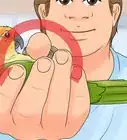
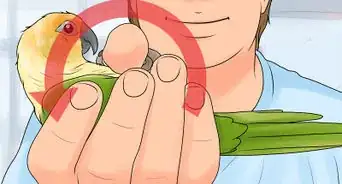
2Help your conure get comfortable with having their toes handled. You can sneak this in during playtime if you’re strategic about it! Teach them how to shake hands by extending your pinky and allowing them to grab hold of it. Give them millet or another treat with the other hand as a reward. Repeat this several times per week.[8]
-
3Make clippers less threatening. Leave the clippers in your bird's view. Clip your own fingernails or toenails in front of them while you explain what you're doing. The more they see the clippers in action, the less likely they'll be to freak out when they have their own nails clipped.[9]
-
4Bring your bird to an avian vet or professional groomer. When you notice that your bird’s toes are elevated off the ground even when standing on a flat surface, it’s time for a nail trimming.[10] Though this may seem like a small task, clipping your bird’s toenails is important and can have serious consequences if done wrong. Cutting a bird’s quick, for example, can cause them to bleed heavily and could even lead to their death. A vet or groomer will know how to keep your bird steady and avoid harming them. Set up a regular clipping schedule based on the advice of the vet or groomer.[11]Advertisement


Method 3
Method 3 of 3:Keeping Your Conure's Beak Trimmed
-
1Give them things to chew on. Chewing helps to keep your bird's beak at a healthy length. Provide them with things they'll want to tear into. A few good ideas include:
- A diet consisting of 65-80 percent pelleted food and 15-30 percent fruits and vegetables.
- 3-4 chew toys like rope, untreated wood blocks, or pieces of coconut.
- Treats hidden in a toilet paper roll or untreated wood. Give them these hidden treats at least once a day.[12]
-
2Provide them with a conditioning perch. Birds rub their beaks against conditioning perches to keep them properly filed and clean. These perches often come in different sizes and colors to keep birds stimulated, and may even include a flavored coating to encourage your bird to nibble at it, keeping its beak healthy.[13] Place one near their regular perch to encourage frequent trips. You can buy a conditioning perch at your local pet store.[14]
-
3Have an avian vet do the trimming, if necessary. Trimming is only necessary if your bird's beak grows too long or at an abnormal angle. Just don't do it yourself! You could cause your bird a lot of pain and even harm their ability to eat. Leave trimming to a professional.[15]
- It can be hard to tell when your conure’s beak is overgrown, as some have long beaks to begin with. Examine your bird’s beak on a regular basis to get an idea of what its normal length is. If the beak starts growing very long and tilting towards your bird’s neck, or starts to look asymmetrical, take your conure into the vet for a checkup.[16]
Advertisement


Warnings

References
- ↑ https://www.youtube.com/watch?v=xow5907nIQw&feature=youtu.be&t=49s
- ↑ https://www.petcha.com/bathing-your-pet-bird/
- ↑ http://www.drsfostersmith.com/pic/article.cfm?articleid=326
- ↑ https://www.petcha.com/bathing-your-pet-bird/
- ↑ https://www.petcha.com/bathing-your-pet-bird/
- ↑ http://www.drsfostersmith.com/pic/article.cfm?articleid=326
- ↑ https://www.petcha.com/quick-and-easy-tips-to-groom-your-pet-bird/
- ↑ https://www.petcha.com/quick-and-easy-tips-to-groom-your-pet-bird/
- ↑ https://www.petcha.com/quick-and-easy-tips-to-groom-your-pet-bird/
- ↑ http://www.drsfostersmith.com/pic/article.cfm?articleid=117
- ↑ https://www.petcha.com/quick-and-easy-tips-to-groom-your-pet-bird/
- ↑ http://www.drsfostersmith.com/pic/article.cfm?articleid=1390
- ↑ http://www.drsfostersmith.com/bird-supplies/perches-cage-accessories/conditioning-perches/ps/c/5059/5771/9364#
- ↑ http://www.drsfostersmith.com/pic/article.cfm?articleid=1390
- ↑ http://www.drsfostersmith.com/pic/article.cfm?articleid=1390
- ↑ https://www.petcha.com/parrot-beaks-to-trim-or-not/
- ↑ http://www.drsfostersmith.com/pic/article.cfm?articleid=326
- ↑ http://www.drsfostersmith.com/pic/article.cfm?articleid=326
- ↑ https://www.beautyofbirds.com/bathing.html
- ↑ https://www.petcha.com/quick-and-easy-tips-to-groom-your-pet-bird/
About This Article

To keep your Conure groomed, mist it with a spray bottle in a warm area. Alternatively, you can fill a shallow bowl with an inch of lukewarm water and allow it to bathe itself. No matter how you bathe your Conure, allow it to dry off by itself, and never use a blow dryer on its feathers. You should also trim its toenails with clippers when they become too long, or when you see its toes are elevated off the ground while standing. You should also give it chew toys like rope or untreated wood blocks to keep its beak healthy. To learn how to make your Conure more comfortable with toenail clipping, read advice from our Veterinarian co-author.