This article was co-authored by Chris Parker and by wikiHow staff writer, Janice Tieperman. Chris Parker is the Founder of Parker Eco Pest Control, a sustainable pest control service based in Seattle. He is a certified Commercial Pesticide Applicator in Washington State and received his BA from the University of Washington in 2012.
There are 10 references cited in this article, which can be found at the bottom of the page.
wikiHow marks an article as reader-approved once it receives enough positive feedback. In this case, 100% of readers who voted found the article helpful, earning it our reader-approved status.
This article has been viewed 290,923 times.
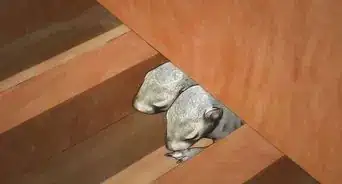
At best, rodents are unwanted guests; at worst, they can introduce unwanted diseases and illnesses, and even cause damage to your home. Not to worry—with a little persistence, patience, and the right strategies, you can get back to enjoying a clean, peaceful, and rodent-free home. We’ve put together some expert-verified tips and tricks to help you get started.
Steps
Method 1
Method 1 of 11:Close any entry points.
-
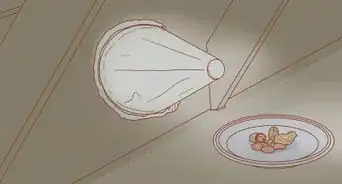
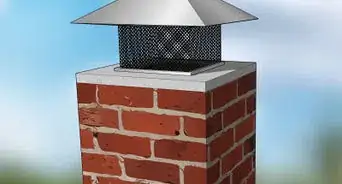
1Rodents are crafty, and can squeeze through very small openings. In fact, mice can wiggle through a blueberry-sized hole, and rats can fit through a cherry-sized opening. Scour both the inside and outside of your home, looking for any gaps and holes a rodent could possibly fit through. Stuff any small gaps or holes with steel wool and caulk. Then, cover up any larger holes and openings with metal sheeting, cement or lath screen.[1]
- Inside, rodents tend to sneak in near cabinets, appliances, closets, fireplaces, doors, pipes, vents, basements, attics, crawl spaces, and drains.
- Outside, these crafty critters can enter through windows, doors, foundation gaps, the roof, attic vents, crawl space vents, and holes for utility services, like plumbing, cable, gas, or electricity.

Method 2
Method 2 of 11:Seal away any dry food.
-
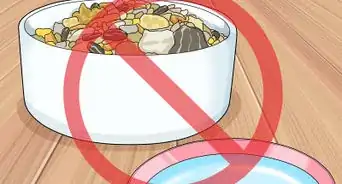
1Store your food in thick, sturdy containers. Experts suggest transferring your food to thick, plastic or metal bins with secure lids. If you live on a farm or with pets, move any pet food or animal feed to sturdy, secure containers.[2]
- Always pour old pet or animal food back into the original container; this way, rodents won’t get a free snack.

Method 3
Method 3 of 11:Secure any outdoor food sources.
-
1Trash cans, grills, and compost piles can attract rodents. Switch to trash cans made with thick plastic or metal and place a secure lid on top, so rodents can’t get in. Then, move any compost bins at least 100 ft (30 m) away from your home, so rodents aren’t as tempted to sneak in. If you grill outside pretty frequently, clean up any food scraps or crumbs once you’re done cooking.[3]
- If you feed your pets outside, bring the food and water dishes inside for the night. Pour out any leftover water, and transfer the leftover food into the original food bag.

Method 4
Method 4 of 11:Trim any foundation plants and other hiding spots.
-
1Vines and branches can offer easy access to your home. Cut back any vines, branches, and other growths that are especially close to your home.[4] While you’re at it, clear away any mounds of junk or trash around your home, and move any firewood stacks at least 18 in (46 cm) off the ground. Then, trim any bushes, shrubs, or tall grasses near your home, as rodents may hang out there.[5]
- If you’re getting rid of any old furniture or appliances, place them far away from your home. Rodents may build a nest in these items.

Method 5
Method 5 of 11:Clean your counters and floors regularly.
-
1Crumbs and spills can attract rodents. If you’ve just prepared food or spilled a drink on the floor, wipe it up as soon as possible. This way, the critters won’t be as tempted to sneak into your home again.[6]

Method 6
Method 6 of 11:Arrange bait and traps.
-
1Snap traps are a quick, efficient way to kill rodents. Arrange the trap along the wall, so the spring and metal form a T-shape. Rodents like to stay near the walls, and are more likely to stumble into a trap this way. Follow the directions provided with your snap trap and add a bait that will tempt the rodents to come over.[7]
- Peanut butter, bacon, apple, sausage, nuts, fish, and pumpkin seeds are all great bait options.[8]
- Stay away from glue traps, if possible. These traps are very inhumane and traumatizing for the rodents, and may cause them to urinate and poop. Rodent feces and urine can carry diseases, so this definitely isn’t ideal.

Method 7
Method 7 of 11:Employ natural repellents.
-
1Rodents really hate the smell of peppermint, spearmint, and eucalyptus. Soak some cotton balls with one of these essential oils, and place them near an entry point. After a few weeks, place new, re-soaked cotton balls along the same spots.[9]

Method 8
Method 8 of 11:Plug in an ultrasonic device.
-
1Rodents hate ultrasonic sounds. When set up, these devices give off an unpleasant ultrasonic sound that may deter rodents. These devices work great to keep mice out of your home, but they don’t work for a very long distance. Your pets can also hear these devices, so they might not be the best option if you have some other furry friends at home.[10]
- You can purchase these online, or at your local home improvement or hardware store.

Method 9
Method 9 of 11:Get a cat.

Method 10
Method 10 of 11:Call an exterminator.
-
1Exterminators are a sure-fire way to keep your home safe, clean, and rodent-free. If it’s within your budget, ask an exterminator to come by and inspect your home. Pick an experienced professional with good credentials and work history. Before the exterminator starts treating your room, move any pets and children to a safe place where they won’t be exposed to any chemicals.[13]

Method 11
Method 11 of 11:Clean and disinfect any rodent hangouts.
-
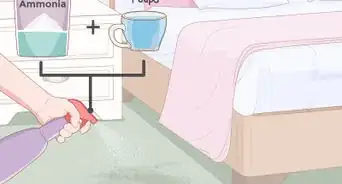
1Clean up the rodent waste first, and then disinfect the space. While wearing protective gloves, experts suggest cleaning up rodent droppings and urine with a diluted bleach mixture. Then, mop the floors with a bleach solution and wipe down your counters with disinfectant wipes. If needed, steam clean any soiled carpets or furniture, and wash any contaminated bedding in a hot water cycle.[14]
- To make a diluted bleach mixture, combine 1 part bleach with 10 parts water.

Community Q&A
-
QuestionHow can I make my property less attractive to rats?
 Chris ParkerChris Parker is the Founder of Parker Eco Pest Control, a sustainable pest control service based in Seattle. He is a certified Commercial Pesticide Applicator in Washington State and received his BA from the University of Washington in 2012.
Founder, Parker Eco Pest ControlKeeping your house impeccably maintained is going to help. Also, physically sealing up your house is important if you're experiencing rodent issues. If a hole is bigger than a dime, a rodent can fit through it. -
QuestionIf I cover a gravel floor with a concrete block, will that keep the rats from coming into my home through that floor?
 Community AnswerYes, since the rats won't be able to get through the block.
 -
QuestionIf there is no water source indoors, do mice/rats have to exit and re-enter your house daily?No. They can live off the water in what they eat for a few days.
-
QuestionAre there scents that mice don't like?The smell of a cat is not a favourite smell of mice.
-
QuestionCan I fill holes with fiberglass to keep rats out?
 Community AnswerNo, I don't recommend this; fiberglass/insulation is great nesting material. Instead, use steel wool. They can't chew through it.
 -
QuestionWhat can I spray to repel rats?Community AnswerYou can spray poison. You can also use peppermint or garlic. Spicy things or salt work well too.
-
QuestionWhat do I do if there's a hole behind the fridge that has rodents coming out of it?Community AnswerCarefully move the fridge to gain access to the hole, then stuff the hole with steel wool. Rodents won't chew through it.
-
QuestionWhere do I find the names of some companies that can seal up the exterior of my house and insulation in my basement?
 Community AnswerYou can search for names on the internet. Also, you can ask people. Some companies are, Terminix, Trapping and Removing Critter control, and Ehrlich Pest Control.
 -
QuestionI’m worried about getting diseases from rats and mice. Is that likely?
 TobiasTop AnswererYes, you can get diseases from mice/rats. What diseases you could get depend on what type of contact you had with the rodent. For example, some diseases are more commonly transmitted by bites/scratches, while some diseases are more commonly caused by contact with rodent waste. A few diseases you can get from rodents include rabies, leptospirosis, rat bite fever, salmonellosis, and even the plague. However, many of these diseases are somewhat rare, and your likelihood of getting them can depend on several factors, including geographical location.






References
- ↑ https://www.cdc.gov/rodents/prevent_infestations/seal_up.html
- ↑ https://www.cdc.gov/rodents/prevent_infestations/seal_up.html
- ↑ https://www.cdc.gov/rodents/prevent_infestations/clean_up.html
- ↑ https://www.seattletimes.com/explore/at-home/how-to-prevent-a-rodent-infestation-in-your-home/
- ↑ https://kingcounty.gov/~/media/depts/health/communicable-diseases/documents/zoonotic/four-ways-to-prevent-rodents.ashx?la=en
- ↑ https://extension.psu.edu/is-there-a-mouse-in-the-house-eliminate-mice-with-ipm
- ↑ https://www.cdc.gov/rodents/prevent_infestations/seal_up.html
- ↑ https://healthywa.wa.gov.au/Articles/N_R/Protect-your-health-keep-rats-under-control
- ↑ https://www.hsi.org/news-media/humane-rodent-solutions/
- ↑ https://www.bobvila.com/slideshow/11-ways-to-get-rid-of-mice-47935
- ↑ https://www.bobvila.com/slideshow/11-ways-to-get-rid-of-mice-47935
- ↑ https://www.hsi.org/news-media/humane-rodent-solutions/
- ↑ https://www.epa.gov/safepestcontrol/tips-selecting-pest-control-service
- ↑ https://www.cdc.gov/rodents/cleaning/index.html
About This Article