This article was co-authored by wikiHow staff writer, Hannah Madden. Hannah Madden is a writer, editor, and artist currently living in Portland, Oregon. In 2018, she graduated from Portland State University with a B.S. in Environmental Studies. Hannah enjoys writing articles about conservation, sustainability, and eco-friendly products. When she isn’t writing, you can find Hannah working on hand embroidery projects and listening to music.
This article has been viewed 1,744 times.
Learn more...
Bringing a new kitten home is super exciting! But introducing them to your older cat can be a little nerve-wracking. As long as you go slowly and listen to your cats’ needs, you can keep them both safe and happy in your home. We’ve answered your questions about introducing your cats so they can learn to live in harmony as fast as possible.
Steps
Question 1
Question 1 of 8:How do I make my new kitten feel comfortable?
-
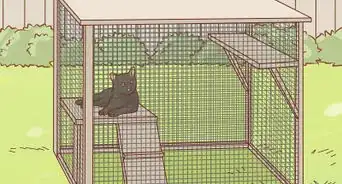
1Give your kitten their own room. They need a space that feels like their own to get comfortable. Make sure your older cat can’t get in, and set up food, water, and a litter box for your kitten. Keep them confined in the room when you first bring them home, and supervise any time they spend outside of it. It will help them feel comfortable and safe in their own space.[1]

Question 2
Question 2 of 8:Can an older cat get along with a kitten?
-
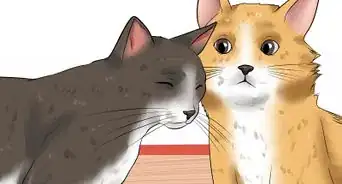
1Yes, if you give them plenty of time and stay patient. It might not seem like it at first, but cats can get used to each other (and even learn to love each other). The most important factor is going slowly and paying attention to what your older cat needs along the way. Every cat is different, and your cat might need more time to get used to a kitten than other cats do.[2]

Question 3
Question 3 of 8:How do I prepare my older cat to meet the kitten?
-
1Get them used to the kitten’s smell first. Grab a blanket that the kitten has slept on and put it near your older cat’s food dish. Let them sniff it and smell it for a few days before you introduce the cats to each other. Your cat will be better prepared for the new kitten if they’ve smelled them first.[3]

Question 4
Question 4 of 8:How do I introduce my cats for the first time?
-
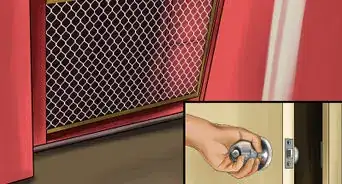
1Introduce them with a barrier in place. Put up a baby gate or a mesh screen and let your cats look at each other through it. Don’t allow contact just yet—instead, let them sniff each other and meow if they’d like to. Keep the interactions short (a few minutes is fine), and try to end them on a positive note. Do this a few times over a few days until your cats seem like they’re getting along.[4]
-
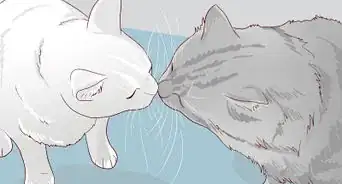
2Supervise their initial contact. When you feel confident that your older cat won’t attack the kitten, open the door and let them meet face to face. Stay in the room with them, and let them sniff each other if they’d like to. Keep these interactions short, too, and do them a few times a day for at least a week.[5]

Question 5
Question 5 of 8:When can I leave my kitten alone with my older cat?
-
1Once you feel like they’re getting along well. If the supervised visits are going well and your cats aren’t attacking each other, it’s probably fine to leave them alone for a bit. Start slow—leave the room for 5 minutes, then 10 minutes, then 15. If you’re leaving the house, separate the cats just in case.[6]

Question 6
Question 6 of 8:What do I do if my older cat hurts the kitten?
-
1Make a loud noise to break them up. Reaching into an ongoing cat fight will only get you hurt, so it’s important to do this first. You can clap, yell, or stomp to get your cats to break contact before you step in.[7]
-
2Separate the cats right away. If they’re attacking each other, the meeting isn’t going well. Put the kitten back in their separate space and let the cats have some alone time. You might need to backtrack your progress a bit—if you were letting the cats meet each other without barriers in place, try putting a gate up again and letting them sniff each other.[8]

Question 7
Question 7 of 8:How long does it take for a cat to get used to a kitten?
-
1It might take a few days or a few weeks. Every cat is different, and some might need more time than others. Some cats are fine within a few hours, while others might need a few months of short meetings. Old, temperamental cats generally need more time than young, more laid-back ones.[9]

Question 8
Question 8 of 8:What do I do if my cat doesn’t like my new kitten?
-
1Talk to your vet or a trainer. Some cats have a really hard time getting used to a new animal in the house. If your older cat isn’t letting up, make an appointment with your vet or talk to a certified cat trainer for help. They’ll come up with ways to make both of your cats happy so they can get along in peace.[10]
- Older cats may show signs of stress by not eating, not using the litter box, or hiding all the time. If that’s the case, it’s time to get a professional’s opinion.



References
- ↑ https://1stpetvet.com/6-tips-for-introducing-a-new-kitten-to-your-resident-cat/
- ↑ https://www.bluecross.org.uk/pet-advice/introducing-cats
- ↑ https://www.humanesociety.org/resources/introducing-pets
- ↑ https://www.bluecross.org.uk/pet-advice/introducing-cats
- ↑ https://www.humanesociety.org/resources/introducing-pets
- ↑ https://www.americanhumane.org/fact-sheet/introducing-cats-to-cats/
- ↑ http://www.animalplanet.com/pets/how-to-introduce-a-new-cat-to-an-old-cat/
- ↑ http://www.animalplanet.com/pets/how-to-introduce-a-new-cat-to-an-old-cat/
- ↑ https://spca.bc.ca/faqs/%E2%80%8Bhow-introduce-new-cat-old-cat/
About This Article