This article was co-authored by Pippa Elliott, MRCVS. Dr. Elliott, BVMS, MRCVS is a veterinarian with over 30 years of experience in veterinary surgery and companion animal practice. She graduated from the University of Glasgow in 1987 with a degree in veterinary medicine and surgery. She has worked at the same animal clinic in her hometown for over 20 years.
This article has been viewed 8,605 times.
Pinworms are a common intestinal parasite in mice. Mice can carry pinworms without any negative symptoms or side effects. However, if the pinworm infection gets bad, negative symptoms can occur. If you believe your mouse has pinworms, check for any signs of a bad infection, determine if they have been exposed to infected feces, and then take your mouse to the vet.
Steps
Method 1
Method 1 of 3:Determining If Your Mouse Has Pinworms
-
1Look for symptoms of heavy infection. If a mouse has a large infestation of pinworms in the intestines, the mouse may have diarrhea. This is caused from intestinal inflammation due to the pinworms.[1]
- If the infection is really bad, the mouse may also have a rectal prolapse due to straining or anal irritation. They may also have sticky or hard to pass stools.
- The mouse may also have poor growth, poor overall bodily health, or a poor coat.[2]
-
2Check for signs of adult pinworms in feces. You may be able to identify adult pinworms in the fecal pellets from your mouse. Pinworms are clear to white in color with a long, thin, hair like shape.[3]
- The pinworms may be too small for you to see with the naked eye.
Advertisement -
3Determine if your mouse has had contact with contaminated materials. Pinworms are spread through oral contact with contaminated feces. Pinworms are passed through feces, and anything that the feces touches may get infected with pinworms.[4] Pinworms in feces may also float in the air; therefore, the pinworms may end up in the surrounding area around the mouse’s cage.[5]
- If your mouse has been near any surfaces that were contaminated or has come in contact with feces from an infected animal, they may have pinworms.
Advertisement


Method 2
Method 2 of 3:Treating Pinworms
-
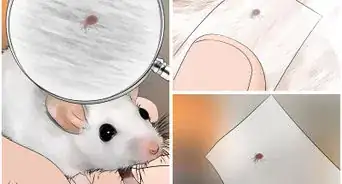
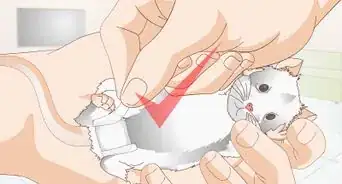
1Take your mouse to the vet. The best way to positively identify pinworms in your mouse is to take them to the vet. Your doctor can perform different tests to determine if your mouse is infected. They may start by doing a tape test around the anus to check for egg deposits.
- One type of pinworm does not make egg deposits around the anus, so if that turns up negative, your doctor will perform a different test. They may do a fecal smear or flotation to identify the pinworms.
-
2Treat the pinworms with fenbendazole. Pinworms can be easily treated in mice. Your doctor will give the mouse a treatment of feed containing fendendazole. You can also find it in pet stores. You give the feed to the mouse for a week, then stop for a week, until the pinworms are gone or your vet tells you to stop treatment.[6]
- The vet may also suggest a treatment using ivermectin, which can be given to the mouse topically or through their drinking water.[7]
-
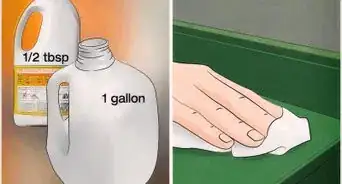
3Clean the mouse’s living area. If your mouse has pinworms, you should clean their cage and living areas. This includes the air in the room and surfaces beyond the cage since pinworms can float in the air from fecal pellets.[8]
- Many disinfectants won’t kill pinworms. Ask your vet for the best cleaning supplies to disinfect your mouse’s living area.
- Pinworms can be killed by high temperatures. Consider using hot water or other sources of heat to kill any lingering worms or eggs.
Advertisement


Method 3
Method 3 of 3:Preventing Pinworms
-
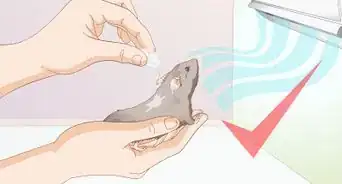
1Prevent the spread of pinworms by removing contaminated mice. Pinworms are extremely contagious if the mouse comes into contact with infected feces. If any of your mice get pinworms, remove them from the other mice immediately.[9]
- You may have to treat all of your mice for pinworms if one has pinworms and they were living in close quarters.
-
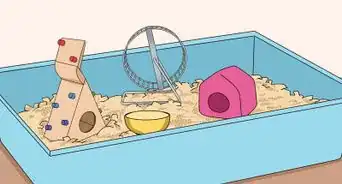
2Buy mice from reputable sources. Mice commonly carry pinworms with no symptoms. This means you may buy a mouse with pinworms and not know it. To prevent the spread of pinworms in a lab or your home, make sure any new mice are free from pinworms.[10]
- Take them to the vet before introducing them to your other mice, or keep them separate until you have treated them.
-
3Know that pinworm infections may show no signs. Most pinworm infections in mice present no symptoms. Since this is a common parasite for mice, your mouse may be infected though they are showing no signs.[11]
- Because of this, it is important to keep your mouse away from possible contaminated feces or other mice that have pinworms.
- Many mice carry a light infection of pinworms without any harm occurring to the mice.[12]
- If you believe your mouse might have pinworms, take them to the vet.
Advertisement




References
- ↑ http://dora.missouri.edu/mouse/pinworms/
- ↑ http://web.jhu.edu/animalcare/procedures/mouse.html#pinworms
- ↑ http://dora.missouri.edu/mouse/pinworms/
- ↑ http://www.merckvetmanual.com/pethealth/exotic_pets/mice/diseases_and_disorders_of_mice.html
- ↑ http://dora.missouri.edu/mouse/pinworms/
- ↑ http://www.criver.com/files/pdfs/infectious-agents/rm_ld_r_pinworms.aspx
- ↑ https://www.urmc.rochester.edu/medialibraries/urmcmedia/animal-resource/documents/understanding-pinworms.pdf
- ↑ http://www.criver.com/files/pdfs/infectious-agents/rm_ld_r_pinworms.aspx
- ↑ http://www.criver.com/files/pdfs/infectious-agents/rm_ld_r_pinworms.aspx
About This Article
To check if your mouse has pinworms, see if it has been having diarrhea or trouble passing stools lately, which could both be signs of infection. When observing your mouse’s feces, look for signs of pinworms, but keep in mind that sometimes they are too small to be seen by the naked eye. Bigger pinworms, however, will look long and hair-like, and range from clear to white in color. If you suspect your mouse has pinworms, take it to the vet, who will test it for infection and most likely give you feed containing fendendazole to treat it. For more tips from our Veterinary co-author, like how to prevent pinworms, scroll down.












































Medical Disclaimer
The content of this article is not intended to be a substitute for professional medical advice, examination, diagnosis, or treatment. You should always contact your doctor or other qualified healthcare professional before starting, changing, or stopping any kind of health treatment.
Read More...