This article was co-authored by Navid Malakouti, MD, FAAD. Dr. Navid Malakouti is a Board Certified Dermatologist specializing in cosmetic dermatology, dermatologic surgery, and medical dermatology. He treats patients of all ages for conditions like acne, rosacea, psoriasis, skin cancer, botox, fillers, lasers, and chemical peel. Dr. Malakouti is a Diplomate of the American Board of Dermatology, Fellow of American Academy of Dermatology, American Society for Dermatologic Surgery, and American Society for Laser Medicine and Surgery, and a member of the Skin of Color Society. He holds a BS in Biochemistry and Cell Biology from The University of California, San Diego and an MD from The Virginia Commonwealth University School of Medicine. He completed his Dermatology residency in Washington D.C. at Howard University, VA Medical Center, Children's National Hospital, and the National Institutes of Health.
There are 10 references cited in this article, which can be found at the bottom of the page.
This article has been viewed 96,043 times.
Aging is a serious and continuous process that is unfortunately affecting us all. Here are some simple but effective steps to take on your way to beautiful, healthy skin even while 'coming of age'.
Steps
Method 1
Method 1 of 9:Exfoliate.
-
1This is one of the most important steps in mature skincare since it removes dead skin cells buildup and freshens up the dermis, leaving the skin prepared to absorb much easier all the nutrients in your skincare routine. Plus, it makes your skin look younger by removing the accumulated debris, polishing pores and fine lines and giving an overall glowing appearance.[1]

Method 2
Method 2 of 9:Use sun protection.
-
1As redundant as this might sound, it is crucial to protect your skin even more as you are starting to age. Due to hormonal changes, especially in women, the skin is more sensitive to sun damage, sun spots, moles and other formations that tend to appear around this period. Protecting your skin with a good SPF lotion (the higher the better) will improve your skin's chances of safeguarding its already slowing collagen production and overall skin elasticity.[2] [3]
- Choose an SPF of at least 20, preferably with water resistance (often labeled "sport").[4]

Method 3
Method 3 of 9:Use facial oils.
-
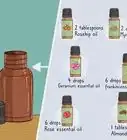
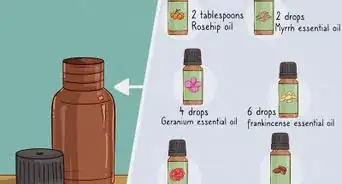
1If you stayed away from oils most of your life due to oily/combination skin problems or acne issues, now is the time to pack up for 'the drought'. Organic Rose Hip oil is highly recommended due to its light consistency, anti oxidants and fatty acids. However, you can also use avocado oil, apricot kernel oil or grapeseed oil. A tablespoon of extra virgin olive oil is more than welcome, in both daily alimentary use as well as skincare routine.[5]

Method 4
Method 4 of 9:Tone down facials, facial steaming and hot baths/showers.
-
1If you're a fan of facials or facial procedures that involve steaming, try cutting back on these habits because your skin has started producing less collagen and maintaining less moisture. The harsher you treat it, the drier it will become. Make sure you clean your face properly and follow your usual cleansing program (facial treatments at the salon or at home), however be gentle when using heat.[6]

Method 5
Method 5 of 9:Keep a healthy diet.
-
1Make sure you drink tons of water and tea (chamomile, mint, berries, ginseng, etc). Water will not only increase your overall cell hydration but the anti oxidants contained by plants will literally prepare your skin much better than plain water and also help your organism by 'washing up' and easing the activity of your internal organs, such as kidneys and liver.[7] Herbal teas are a good method of detoxifying your body at home or under the direction of your physician.[8]

Method 6
Method 6 of 9:Take skin supplements.
-
1Make sure you're taking two Omega 3 supplements daily, B vitamin complex as well as calcium doses. Your skin needs as many nutrients as your body and hair do.[9]

Method 7
Method 7 of 9:Keep your environment humid.
-
1If you live in excessively dry climates or your workplace has a penchant for excessive heating/air conditioning, remember to place a large water bowl anywhere near you, preferably on a shelf where it cannot get uncomfortable. The slow evaporation of water will incorporate into the atmosphere and your skin will not lose as much moisture as it normally would.[10]

Method 8
Method 8 of 9:Use rich moisturizers.
-
1Now it's the time to splurge with those thick face cremes you probably stayed away from throughout your teens/youth and adulthood. Make sure you gently massage the creams into your skin and let it drink it up. While you don't necessarily have to go for the most expensive brand out there, make sure you pick a line/cosmetic product your skin appreciates, packed with fatty acids, fruit oils and anti oxidants. There are many famous brands that have established themselves in the anti-aging department; investing in something of quality will only improve your skin and help it become hydrated and youthful again.[11]
- Choose products containing retinoids, alpha- and beta-hydroxy acids, vitamins C and E, and iron.[12]

Method 9
Method 9 of 9:Use superior quality cosmetics.
-
1Make sure to use makeup products that will help your skin balance its moisture and not lose it. Now is the time to invest in a quality foundation and powder, switching to products for skin that's one step drier than your normal type- if you have/had oily skin, switch to normal skincare line/makeup, normal-to dry, dry-very dry. It will improve the overall condition of your skin through extra pampering and accommodate more moisture into the upper layers of the skin while allowing you to maintain your usual makeup routine.

Expert Q&A
-
QuestionHow can I take care of my skin naturally?
 Navid Malakouti, MD, FAADDr. Navid Malakouti is a Board Certified Dermatologist specializing in cosmetic dermatology, dermatologic surgery, and medical dermatology. He treats patients of all ages for conditions like acne, rosacea, psoriasis, skin cancer, botox, fillers, lasers, and chemical peel. Dr. Malakouti is a Diplomate of the American Board of Dermatology, Fellow of American Academy of Dermatology, American Society for Dermatologic Surgery, and American Society for Laser Medicine and Surgery, and a member of the Skin of Color Society. He holds a BS in Biochemistry and Cell Biology from The University of California, San Diego and an MD from The Virginia Commonwealth University School of Medicine. He completed his Dermatology residency in Washington D.C. at Howard University, VA Medical Center, Children's National Hospital, and the National Institutes of Health.
Board Certified DermatologistThe two most important factors in your control to have healthy skin is not smoking tobacco and avoiding excessive sun exposure. -
QuestionDoes skin become more dry with age?Navid Malakouti, MD, FAADDr. Navid Malakouti is a Board Certified Dermatologist specializing in cosmetic dermatology, dermatologic surgery, and medical dermatology. He treats patients of all ages for conditions like acne, rosacea, psoriasis, skin cancer, botox, fillers, lasers, and chemical peel. Dr. Malakouti is a Diplomate of the American Board of Dermatology, Fellow of American Academy of Dermatology, American Society for Dermatologic Surgery, and American Society for Laser Medicine and Surgery, and a member of the Skin of Color Society. He holds a BS in Biochemistry and Cell Biology from The University of California, San Diego and an MD from The Virginia Commonwealth University School of Medicine. He completed his Dermatology residency in Washington D.C. at Howard University, VA Medical Center, Children's National Hospital, and the National Institutes of Health.
Board Certified DermatologistYes, aging does promote dryness, but there are other factors involved in the skin’s moisture content, such as genetics, climate, and humidity.
Warnings
- If you are suffering from hormonal acne, hormonal imbalance or any other condition for that matter do discuss with your physician about any changes in nutrition, daily habits or cosmetics use before attempting to switch your current routine.Thanks!











References
- ↑ https://www.aad.org/skin-care-secrets/safely-exfoliate-at-home
- ↑ Navid Malakouti, MD, FAAD. Board Certified Dermatologist. Expert Interview. 19 July 2021.
- ↑ https://www.webmd.com/children/sunscreen-use-correctly
- ↑ Navid Malakouti, MD, FAAD. Board Certified Dermatologist. Expert Interview. 19 July 2021.
- ↑ https://www.huffpost.com/entry/face-oils_b_1747283
- ↑ https://www.nia.nih.gov/health/skin-care-and-aging
- ↑ https://www.mayoclinic.org/healthy-lifestyle/adult-health/expert-answers/hydrated-skin/faq-20058067
- ↑ https://www.webmd.com/beauty/features/abcs-of-healthy-skin-diet
- ↑ https://www.webmd.com/beauty/nutrients-for-healthy-skin#1
- ↑ https://www.mayoclinic.org/diseases-conditions/common-cold/in-depth/humidifiers/art-20048021
- ↑ https://www.health.harvard.edu/staying-healthy/how-to-moisturize-your-skin
- ↑ Navid Malakouti, MD, FAAD. Board Certified Dermatologist. Expert Interview. 19 July 2021.
About This Article