This article was co-authored by Peggy Rios, PhD. Dr. Peggy Rios is a Counseling Psychologist based in Florida. With over 24 years of experience, Dr. Rios works with people struggling with psychological symptoms such as anxiety and depression. She specializes in medical psychology, weaving together behavioral health programs informed by empowerment theory and trauma treatment. Dr. Rios uses integrated, evidence-based models to provide support and therapy for people with life-altering medical conditions. She holds an MS and Ph.D. in Counseling Psychology from the University of Maryland. Dr. Rios is a licensed psychologist in the state of Florida.
There are 8 references cited in this article, which can be found at the bottom of the page.
This article has been viewed 18,877 times.
Do you know a teenager who is depressed? If you're a parent, relative, or friend of a teen who is struggling with depression, it can be difficult to know what to do or how to help. Recognize the signs that a teen may be depressed. Provide support and reassurance to them. Encourage them to seek professional help or guidance. Be a positive advocate for them and show them healthy ways to cope with depression.
Steps
Part 1
Part 1 of 4:Recognizing the Symptoms of Depression
-
1Notice any dramatic changes in mood or behavior. When going through puberty, teenagers may experience changes in mood. But if you see a noticeable change in your child's behavior, trust your instincts and talk with them about what they're feeling.[1]
- Notice if your teen seems unmotivated to take care of themselves. Poor hygiene (not bathing, not changing clothes, being unable to get out of bed) and changes in sleep patterns are often early indicators of depression.[2]
- Identify if your teen is focused on death, dying, or feeling empty inside.
- Note if there are sudden shifts in their interactions with you, their friends, and others.
- If the dramatic change in their behavior lasts for a day or two, this may be a temporary change in mood. If it lasts for two weeks or more, then evaluate their behavior more seriously.
-
2Evaluate any recent life changes that could trigger depression. Depression can be triggered by a negative event, or it may seem to come out of nowhere.[3] Clinical or major depression may require medication to help with depressive symptoms. Minor depression may be a matter of getting help during a difficult time or life transition.[4]
- Evaluate if there are any difficulties at home such as family conflict, a recent divorce, a death in the family, or abuse.
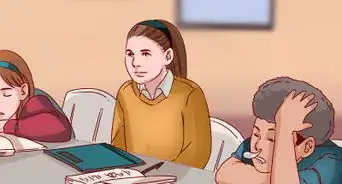
- Determine if there are any challenges at school with friends, bullies, peer pressure, poor grades, or other changes.
- Assess whether the teen feels safe, loved, and accepted. Many teens face new challenges with peer relationships. If they are going through a break-up or a loss of a friendship, they may feel lost.
- Depression has many causes. Sometimes depression can be the result of a physiological issue, like a thyroid problem.[5]
Advertisement -
3Talk with the teen about how they're feeling. Consider spending more one-on-one time with the teen, so that they feel more comfortable with opening up about their feelings. Be willing to listen to their problems and concerns, not matter how small.[6]
- Listen attentively and understand their perspective on things that are bothering them. Avoid interrupting them when they're talking about how they're feeling.
- Avoid dismissing their feelings as small or trivial. For teens, feeling accepted and appreciated by others, including their peers, is very important.
- Consider saying things like, "It seems like it's been a tough week for you. How are you feeling today?" or "You know I'm here for you. It can be hard sometimes, and I want to help in any way I can."
-
4Be aware of the signs and symptoms of depression. Clinical depression lasts for more than a few days. It is a combination of feelings that often linger for two weeks or more. It could last for months or years if untreated. Think about these warning signs:[7]
- Being constantly sad, irritable, or angry
- Activities that were once fun seem pointless
- Feeling worthless, empty, guilty, or just "wrong" in some way
- Feeling hopeless or no reason to live
- Feeling apathetic — feeling low energy, lack of motivation, diminished emotions
- Sleeping too much or not enough
- Gaining or losing weight, or having a dramatic change in appetite
- Being unable to concentrate on school activities, or even things that once were fun
- Withdrawing from others
- Thinking of death, suicide, or self-harm
-
5Address any signs of suicidal ideation seriously. If a teen indicates feelings of suicide, address their concerns in a serious way. Stay calm and supportive during this time. If they are thinking of or have a plan to harm themselves, and have the means to do so, this needs to be addressed immediately by a professional.[8]
- Call the National Suicide Prevention Hotline, and talk with a counselor on the phone. Reach out by phone or chat: 1-800-273-8255 or http://suicidepreventionlifeline.org/
- If they are already in treatment with a therapist, consider calling their therapist for guidance about crisis services or next steps available.
- If the teen is making threats about violence or suicide, expresses an intent to commit suicide, and/or has a plan for suicide, contact 9-1-1. Even if it doesn't seem as though the teen is going to act immediately, just having a plan and intent is enough to get evaluated by a hospital and possibly admitted for treatment.
Advertisement








Part 2
Part 2 of 4:Providing Support and Reassurance
-
1Be an active listener. Resist the urge to pass judgment or criticize a teen's opinions or behaviors when they are depressed. Provide a safe and calm environment for them to open up about what they're feeling. [9]
- Don't talk over the teen to provide advice or tell them what to do. Listen to what they need to say before you react.
- Show that you are paying attention by putting away electronic devices, turning away from things you're doing, and providing your undivided attention.
- Maintain eye contact and nod your head to show that you understand what they are saying.
-
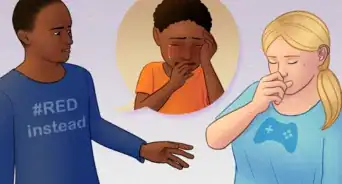
2Acknowledge their feelings. Instead of telling a teen, "It's not that bad," or, "Get over it," acknowledge their feelings. Even if their thoughts about a problem seem silly or irrational, for them those feelings are real. By making a teen feel understood, it can go a long way to helping them through their depression.[10]
- Consider saying, "I'm sorry about what you're feeling. I'm here for you. I care about you."
- Acknowledge that their pain and sadness is real. Consider saying, "I see you're in pain and feeling sad. That's a tough situation, but know that I support you. I believe in you."
-
3Spend more time with them. When a teen is depressed, they may want to ignore or withdraw from you and other people. They may isolate themselves as a way of coping with what they're feeling. Even if they seem reluctant to spend time with you, try to stick by them.[11]
- Avoid taking their behavior too personally.
- Understand that when someone is severely depressed they are impaired in their ability to make decisions. They may need you to provide care for them, even if they don't say so.
- Try to spend time with them doing things that aren't too stressful. Consider doing activities with them that are one-on-one rather than in large groups or with the whole family.
- Do activities like going for a hike, taking a walk, going out to lunch, watching a movie, or playing a game together.
-
4Help to boost their self-esteem. Depressed teens likely have low self-esteem. They feel worthless or unloved. Provide positive reassurance that they are loved, and that they have worth.[12]
- Tell them with encouraging words. Consider saying, "You are an amazing person," or, "I love you and I believe in you."
- Remind them of the things they do well, or the parts of their personality that are admirable. Consider saying, "I love how you draw. You're so creative."
- Give hugs on a regular basis.
Advertisement


Part 3
Part 3 of 4:Connecting to Professional Help
-
1Encourage them to talk to a counselor. A teen who is facing depression may feel isolated and without someone to talk to about what they're feeling. Encourage them to seek help from a school counselor, therapist, or professional counselor.[13]
- Discuss about the benefits of counseling with them. Consider saying, "There are lots of people who benefit from talking with someone. It can be good to let out what you're feeling without feeling judged. Counselors are good at helping people cope with what they're going through and making you feel like it's a safe place to talk."
- Talk with the teen's school counselor about your concerns. See if the counselor can talk with them directly.
- Make a counseling appointment through a local counseling center or a private practice therapist. Consider going with the teen to provide emotional support.
- Understand that there are different types of treatment options including individual and family therapy, inpatient hospitalizations, and outpatient programs. Talk with a professional about what may seem most appropriate.
- Cognitive behavioral therapy can help people learn how to cope with depression.[14]
-
2Seek medical advice about antidepressant medications. Consider medications to help a teen who is going through depression. Many people who are depressed have a medical need for medications to help stabilize their mood. Often a combination of medications and therapy are most beneficial for people who have depression.[15]
- Talk with your primary care doctor about medications or referrals to see a specialist such as a psychiatrist for medication options.
- Be aware if your teen stops taking medications due to side effects. Consider alternative medications or different dosages if your teen is still struggling with the medications provided. Talk with your doctor about any issues with medications.
-
3Provide support and information about where they can go for help. Remind them that they can turn to you in times of need. Identify other people they trust or safe places where they can go. Talk with community centers or the school about other resources.[16]
- If the teen needs peer support, and feels alone, provide them with phone number and information about Teen Line (only takes calls in the evenings): 1-800-TLC-TEEN or https://teenlineonline.org/
- Connect with local resources such as counseling centers, support groups, or places that support teens. Even if the person you contact in your community can't provide help, they may know someone else who can.
- Find out about resources and support groups in your area by contacting the NAMI HelpLine (only takes calls from 10-6pm EST): 1-800-950-6264 or https://www.nami.org/Find-Support/NAMI-HelpLine
Advertisement


Part 4
Part 4 of 4:Helping a Teen Find Healthy Ways to Cope
-
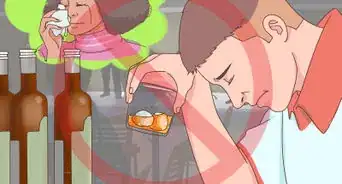
1Remove alcohol or drugs from their environment. Often teens who are depressed will use unhealthy ways to cope with their feelings. This may involve alcohol, smoking, or using drugs. Teens are particularly influenced by their peers, and may see using addictive substances as a good way to mask their pain.[17]
- Consider removing all alcohol, cigarettes, and drugs (including prescription drugs) from areas where the teen has access.
- Identify if your teen may be using these substances as a way to cope. Understand that they may need help with addiction in addition to their depression.
-
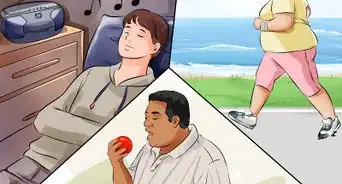
2Be an advocate for healthy eating. Show them that healthy eating can improve a person's mood and energy level. Instead of telling them to eat better, be a role model. Make the change and eat better yourself as a way to show solidarity.[18]
- Limit high fat and high sugar foods.
- Encourage them to cook and prepare meals. Make this an activity that you both can do together.
- Have dinners or meals with them regularly. Make meals a time to connect.
-
3Encourage physical activity. Exercise has shown to boost mood and well-being. Identify activities that they enjoy or have enjoyed in the past. Try to do them together. Consider finding other relatives or friends that can help to motivate them.[19]
- Go for walks together.
- Play sports like basketball, tennis, soccer, or other games together.
- Consider taking a fitness class together, or enrolling them in one.
- Take a yoga or martial arts class.
-
4Provide ongoing support to the teen. Be a source of support. Act as a mentor and caring friend. When a teen is depressed, it can be isolating and overwhelming. Provide them with the reassurance that you will always be there for them.
- Check in with the teen regularly. Make sure that each day or each week involves some quality time.
- Give hugs, smiles, high fives, or other forms of physical support that show you care and are proud of the teen.
- Be a positive part of the teen's life. Be a role model in your actions and words. Give them a sense of reassurance.
Advertisement


Expert Q&A
-
QuestionWhat is the most effective way to treat adolescent depression?
 Peggy Rios, PhDDr. Peggy Rios is a Counseling Psychologist based in Florida. With over 24 years of experience, Dr. Rios works with people struggling with psychological symptoms such as anxiety and depression. She specializes in medical psychology, weaving together behavioral health programs informed by empowerment theory and trauma treatment. Dr. Rios uses integrated, evidence-based models to provide support and therapy for people with life-altering medical conditions. She holds an MS and Ph.D. in Counseling Psychology from the University of Maryland. Dr. Rios is a licensed psychologist in the state of Florida.
Counseling Psychologist (Florida)It's going to differ from person to person, and the adolescent in question should see a mental health professional to get treatment. For some people, talk therapy will help. For others, they'll need medication. Many people succeed with a combination of both. But it's going to be different for each person. -
QuestionAt what age do teens get depressed?Peggy Rios, PhDDr. Peggy Rios is a Counseling Psychologist based in Florida. With over 24 years of experience, Dr. Rios works with people struggling with psychological symptoms such as anxiety and depression. She specializes in medical psychology, weaving together behavioral health programs informed by empowerment theory and trauma treatment. Dr. Rios uses integrated, evidence-based models to provide support and therapy for people with life-altering medical conditions. She holds an MS and Ph.D. in Counseling Psychology from the University of Maryland. Dr. Rios is a licensed psychologist in the state of Florida.
Counseling Psychologist (Florida)Depression can strike anyone at any time. It's common among teenagers of any age, so it's hard to say when it will or won't pop up.









References
- ↑ Lauren Urban, LCSW. Licensed Psychotherapist. Expert Interview. 3 September 2018.
- ↑ Lauren Urban, LCSW. Licensed Psychotherapist. Expert Interview. 3 September 2018.
- ↑ Elizabeth Weiss, PsyD. Clinical Psychologist. Expert Interview. 26 July 2019.
- ↑ Lauren Urban, LCSW. Licensed Psychotherapist. Expert Interview. 3 September 2018.
- ↑ Elizabeth Weiss, PsyD. Clinical Psychologist. Expert Interview. 26 July 2019.
- ↑ Peggy Rios, PhD. Counseling Psychologist (Florida). Expert Interview. 18 December 2020.
- ↑ http://www.helpguide.org/articles/depression/teenagers-guide-to-depression.htm
- ↑ Peggy Rios, PhD. Counseling Psychologist (Florida). Expert Interview. 18 December 2020.
- ↑ http://www.helpguide.org/articles/depression/teen-depression-signs-help.htm
- ↑ Peggy Rios, PhD. Counseling Psychologist (Florida). Expert Interview. 18 December 2020.
- ↑ Peggy Rios, PhD. Counseling Psychologist (Florida). Expert Interview. 18 December 2020.
- ↑ http://childmind.org/article/how-to-help-your-depressed-teenager/
- ↑ https://medlineplus.gov/ency/patientinstructions/000646.htm
- ↑ Elizabeth Weiss, PsyD. Clinical Psychologist. Expert Interview. 26 July 2019.
- ↑ http://psychcentral.com/lib/4-facts-about-teen-depression-and-how-parents-can-help/
- ↑ Peggy Rios, PhD. Counseling Psychologist (Florida). Expert Interview. 18 December 2020.
- ↑ https://medlineplus.gov/ency/patientinstructions/000646.htm
- ↑ Lauren Urban, LCSW. Licensed Psychotherapist. Expert Interview. 3 September 2018.
- ↑ http://www.helpguide.org/articles/depression/teenagers-guide-to-depression.htm














































Medical Disclaimer
The content of this article is not intended to be a substitute for professional medical advice, examination, diagnosis, or treatment. You should always contact your doctor or other qualified healthcare professional before starting, changing, or stopping any kind of health treatment.
Read More...