This article was medically reviewed by Sarah Gehrke, RN, MS. Sarah Gehrke is a Registered Nurse and Licensed Massage Therapist in Texas. Sarah has over 10 years of experience teaching and practicing phlebotomy and intravenous (IV) therapy using physical, psychological, and emotional support. She received her Massage Therapist License from the Amarillo Massage Therapy Institute in 2008 and a M.S. in Nursing from the University of Phoenix in 2013.
There are 9 references cited in this article, which can be found at the bottom of the page.
This article has been viewed 149,201 times.
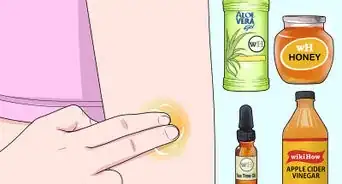
Scabs are a sign of healing, but they might make you feel uncomfortable or even cause pain, especially if they’re on your face. You might not be sure how to comfortably and quickly heal them. But never fear! You can heal scabs on your face by keeping your skin clean and promoting healing with home care.
Steps
Method 1
Method 1 of 7:Cleanse your face with mild soap.
-
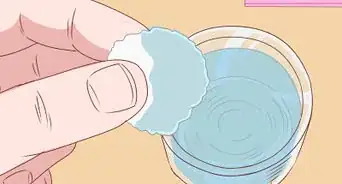
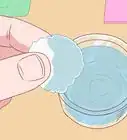
1Wash the scabs on your face with clean, warm water and a gentle cleanser. Use a light, circular motion to cleanse your skin, then rinse your face off thoroughly with warm water. Washing your face can boost your skin’s moisture and promote healing. It can also clear away bacteria and dirt that may cause infections.[1]
- Avoid washing any skin that is turning white, which means it’s oversaturated. This can cause skin tissue to break, lead to infection, and increase healing time.[2]
Advertisement

Method 2
Method 2 of 7:Pat your face dry.
-
1Use a soft, clean towel to gently pat your face dry. Use an even lighter touch on your scabs.[3] Taking care when drying your face and leaving your scabs slightly damp can prevent them from ripping off and promote healing.

Method 3
Method 3 of 7:Apply petroleum jelly.
-
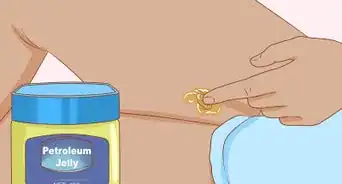
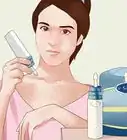
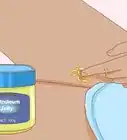
1Dab a thin layer of petroleum jelly or a similar product on your wound. Do this each time you wash your face or change your dressing. Keeping the scab moist will promote healing and potentially prevent scarring.[4]
- You don’t need to use an antibiotic ointment so long as you keep the wound clean.
Advertisement
Method 4
Method 4 of 7:Cover your scabs with a bandage.
-
1Place a sterile non-stick gauze dressing or non-adhesive bandage over the scab.[5] Keeping your scabs covered helps them retain moisture, which helps them heal. A bandage can also minimize the risk of your scabs getting infected.[6]
- Change the dressings daily or if they are dirty, wet, or damaged.[7]

Method 5
Method 5 of 7:Avoid the temptation of picking off or itching your scabs.

Method 6
Method 6 of 7:Watch for infection.
-
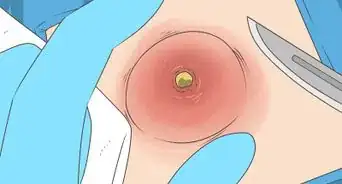
1Check your face and scabs every day to see if they’re healing well. Look for symptoms of possible infection of your scabs or surrounding skin. Seek immediate medical attention if you have:[10]
- Redness
- Pain
- Swelling
- Warmth
- Discharge and/or foul odor

Method 7
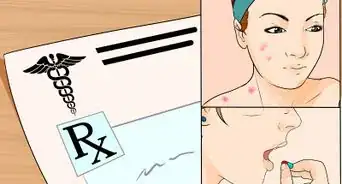
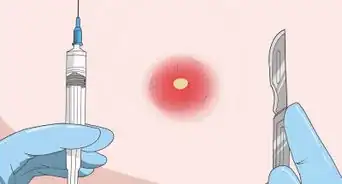
Method 7 of 7:See your dermatologist or doctor if your scab isn’t healing.

Warnings
- Seek prompt medical attention if you have intense itching, irritation, or signs of infection on your scabs. Symptoms of infection include warmth, redness, or pus draining you’re your scabs.[11]Thanks!




References
- ↑ https://medlineplus.gov/ency/patientinstructions/000741.htm
- ↑ http://www.woundsource.com/patientcondition/moisture-associated-skin-damage-masd
- ↑ https://www.aad.org/public/everyday-care/skin-care-basics/care/face-washing-101
- ↑ https://www.aad.org/public/everyday-care/injured-skin/burns/wound-care-minimize-scars
- ↑ https://www.ncbi.nlm.nih.gov/pmc/articles/PMC1420733/
- ↑ https://pubmed.ncbi.nlm.nih.gov/16752710/
- ↑ https://www.ncbi.nlm.nih.gov/pmc/articles/PMC1420733/
- ↑ https://medlineplus.gov/ency/patientinstructions/000741.htm
- ↑ https://www.aad.org/public/everyday-care/injured-skin/burns/wound-care-minimize-scars
About This Article
If you have scabs on your face that you’d like to heal, keep the area clean by washing it twice a day with clean, warm water and a gentle cleanser, then pat your face dry with a soft, clean towel. Dab a thin layer of an over-the-counter antibiotic cream over the scabs, then cover them with a bandage to protect them. Don’t scratch or pick at the scabs, and avoid wearing products that contain fragrances or oils on your face while the scabs are healing, as they can cause irritation. Keep reading for tips from our medical reviewer to learn the signs that your scabs are becoming infected.






































Medical Disclaimer
The content of this article is not intended to be a substitute for professional medical advice, examination, diagnosis, or treatment. You should always contact your doctor or other qualified healthcare professional before starting, changing, or stopping any kind of health treatment.
Read More...