This article was co-authored by Monique Capanelli. Monique Capanelli is a Plant Specialist and the Owner and Designer for Articulture Designs, an innovative design firm and boutique in Austin, Texas. With over 15 years of experience, Monique specializes in interior botanical design, living walls, event decor, and sustainable landscape design. She attended the University of Texas at Austin. Monique is a Certified Permaculture Designer. She provides plant and botanical design experiences, from small gifts to entire transformations, to shoppers as well as commercial clients including Whole Foods Market and The Four Seasons.
This article has been viewed 54,004 times.
Verbena is an extremely versatile flowering plant that thrives in hanging baskets, beds, rock gardens and window boxes.[1] It is an annual in seasonal climates and a perennial in warmer areas, where blooms are frequent and colorful throughout the summer.
Steps
Part 1
Part 1 of 3:Starting Verbena Plants
-
1Purchase verbena starts or seedlings at a local garden store. They are available in zones two through eight. Since verbena seeds take a long time to germinate, you can save yourself time and space by starting with seedlings.
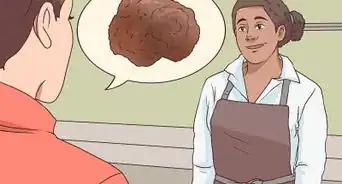
- Buying the verbena plants allows you to ask the clerks how tall they grow and compare different colors. You can find verbena plants in white, red, purple, pink or multi-colored varieties.[2]
-
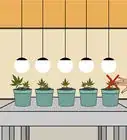
2Plant your verbena seeds in the winter if you want to grow them from seed. Sew two seeds to every peat or fiber pot. Keep the soil damp but not overwatered.[3]
- Use warm water to keep the soil warmer during germination.
- Seeds will take approximately one month to sprout.
-
3Grow indoors until they produce three to four leaves. Then, start hardening them by placing them outside during the day in full sunlight.


Part 2
Part 2 of 3:Growing Verbena
-
1Choose locations for your verbena plants that get 8 to 10 hours of direct sunlight. Verbena plants are prone to developing powdery mildew if they don’t get enough sun.[4]
-
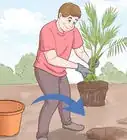
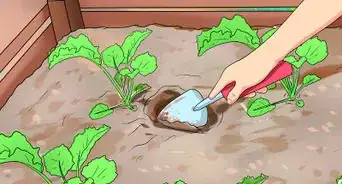
2Plant the verbena seedlings in late spring or early summer. Make sure that you are well past your last frost and the days are long.[5]
-
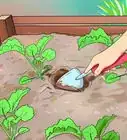
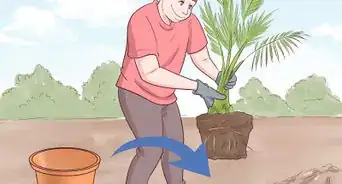
3Ensure they are planted in well-drained soil. After you place them in the ground, fertilize the ground with flower fertilizer. Fertilize monthly for the rest of the growing season.
-
4Water to keep the soil moist during the first few weeks after planting.
-
5Change your water regimen after the verbena plants are well rooted. Water once per week at the base of the plant, making sure they get about 1 inch (2.5 cm) of water or rain. Allow the soil to dry out before the next watering.
- Overwatering and watering from overhead are common mistakes with verbena care.


Part 3
Part 3 of 3:Encouraging Verbena Flowers
-
1Deadhead verbena plants after the first full bloom. Prune one-fourth of the plants top growth, include old flower blooms. Take care not to prune on the main stem.
-
2Prune two to three times per season.[6] The next bloom will appear in 15 to 20 days. This practice will produce more blooms and wider plants.
-
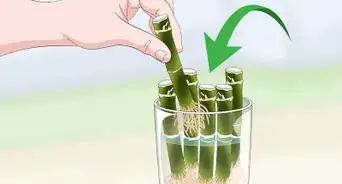
3Consider using cuttings to multiply your verbena stock, if you want to grow them again. Cut a stem just below the node, or thickened place on a stem. Plant them in soil and keep them moist and shaded until they take root.
- Keep them in a container with as much sun as possible until you are ready to plant them in your beds.
-
4Trim back the plant slightly in the fall if you live in a warmer locale and want to treat them as perennials. They will die with exposure to frost. Don’t overtrim them or they may not remain hardy.


Community Q&A
Did you know you can get expert answers for this article?
Unlock expert answers by supporting wikiHow
-
QuestionHow do you prune verbena?
 Monique CapanelliMonique Capanelli is a Plant Specialist and the Owner and Designer for Articulture Designs, an innovative design firm and boutique in Austin, Texas. With over 15 years of experience, Monique specializes in interior botanical design, living walls, event decor, and sustainable landscape design. She attended the University of Texas at Austin. Monique is a Certified Permaculture Designer. She provides plant and botanical design experiences, from small gifts to entire transformations, to shoppers as well as commercial clients including Whole Foods Market and The Four Seasons.
Plant SpecialistYou want to make sure you're consistently removing any dead growth. Also, sometimes you might have a shoot that gets really long—you can go ahead and cut that back. Clipping that is gonna make the plant bush out more.
Support wikiHow by unlocking this expert answer.
-
QuestionWhy have my verbena plants turned a grayish color?
 Community AnswerYou might not be giving them the proper amount of water. Review the watering steps in the article to ensure that your plant isn't getting too much or not enough water. I would also recommend mixing some fertilizer into the soil to give your plants a nutrient boost.
 -
QuestionHow far apart do I plant verbena?
 Community AnswerSpace plants 10 - 12 inches apart.
 -
QuestionWhat happens if your plant dies? What should I do?
 Community AnswerAdd the soil and dead plant to your compost heap, unless it died from disease.
Things You'll Need
- Verbena starts/seedlings
- Verbena seeds
- Peat/fiber planting pot
- Flower fertilizer
- Pruning shears/sharp scissors
- Containers
- Water




References
- ↑ http://www.gardeningchannel.com/how-to-grow-verbena/
- ↑ http://www.bhg.com/gardening/plant-dictionary/annual/verbena/
- ↑ https://www.gardeningchannel.com/how-to-grow-verbena/
- ↑ http://aggie-horticulture.tamu.edu/archives/parsons/96promotions/verbena.html
- ↑ https://aggie-horticulture.tamu.edu/archives/parsons/96promotions/verbena.html
- ↑ https://gardenerspath.com/plants/flowers/verbena/#A-Good-Haircut-Here-and-There
About This Article

Verbena is a versatile flowering plant that does well in hanging baskets, beds, rock gardens, and window boxes. Verbena seeds take a long time to germinate, so if you want to save time and space, get a seedling. Keep your young verbena plant indoors until it has 3 to 4 leaves. Then, start hardening it by placing it outside in full sunlight during the day. In the late spring or early summer, fully transition your plant outside by picking a place that gets 8 to 10 hours of direct sunlight. Make sure the ground you plant in has well-draining soil. Fertilize the ground with flower fertilizer, and fertilize it monthly for the rest of the growing season. During the first few weeks after planting, water your plant to keep the soil moist. To encourage your flowers to grow, prune ¼ of the plant’s top growth after the first full bloom. To learn how to use your cuttings to multiply your verbena stock, keep reading!