wikiHow is a “wiki,” similar to Wikipedia, which means that many of our articles are co-written by multiple authors. To create this article, volunteer authors worked to edit and improve it over time.
There are 10 references cited in this article, which can be found at the bottom of the page.
wikiHow marks an article as reader-approved once it receives enough positive feedback. In this case, 100% of readers who voted found the article helpful, earning it our reader-approved status.
This article has been viewed 46,930 times.
Learn more...
Lemon verbena (Aloysia triphylla) is a large and bushy perennial shrub. It is deciduous and highly scented, with a strong citrus aroma that can be noticed most strongly in the early evening. As a native to South America, it does best in hot climate gardens.[1]
Steps
-
1
-
2Trim a 12cm (5") piece from the parent lemon verbena plant. Remove one third of the upper leaves on the cutting and thin the lower leaves.Advertisement
-
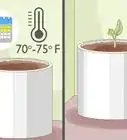
3Fill a container with two-thirds coarse sand and one-third peat moss. Moisten this mix in the pot and place the cutting into it.
-
4Place a plastic bag over the pot. This will imitate a mini-greenhouse.
-
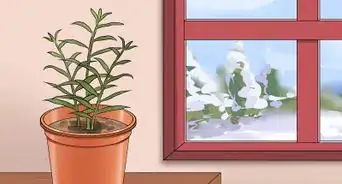
5Once the cutting takes root, shift to a container of quality potting soil. You should renewed leaf growth before this transplanting.
-
6Plant into the garden when it has strong growth. Alternatively, purchase a lemon verbena already at this stage of growth.
-
7Water on an average basis.[4] It is tolerant of hot temperatures and dry conditions.
-
8
-
9Prune. This herb needs regular pruning to prevent a build-up of dead wood and a scraggly look. Pruning will also accelerate new growth. Remove dead wood when pruning.[6] Spring pruning will contain its growth, while pruning in any season will tidy it up.
- Protect during winter by cutting the plant down and covering up the roots with straw.
-
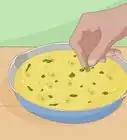
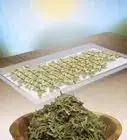
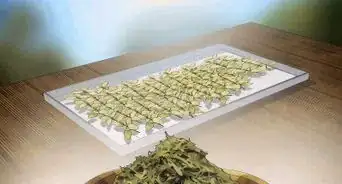
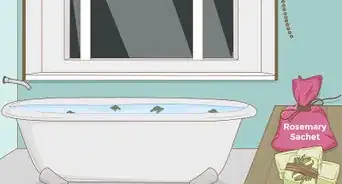
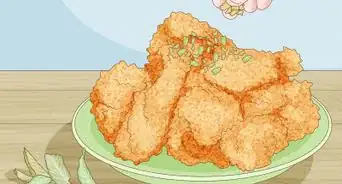
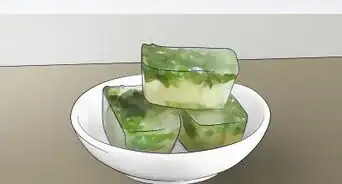
10Harvest. Harvest as required.[7] The leaves make excellent tea.[8] Use them wherever you might use lemon as well. Chopped or crushed leaves can be added to fish dishes, to cakes, to jams and jellies, and other foods needing a lemony touch. The leaves are also great in potpourri.Advertisement


Community Q&A
-
QuestionMy verbena bush has loads of dead wood inside and its leaves are being eaten. Why?
 Community AnswerIs it warm enough? Getting enough sun? Keeping moist but not soggy? Does it want some manure or a layer of mulch? A dose of fish-fertiliser? Prune it back by about a third in winter, too.
Warnings
- Pruning is essential to maintain a supply of young leaves and to avoid too much tough growth.Thanks!
Things You'll Need
- Softwood or hardwood cuttings
- Potting containers
- Peat moss and coarse sand, then potting soil
- Plastic bag
- Watering can or spray bottle
- Secateurs for cutting and pruning



References
- ↑ ttps://www.masterclass.com/articles/what-is-lemon-verbena-learn-how-to-cook-with-lemon-verbena#what-is-lemon-verbena
- ↑ https://www.gardenersworld.com/how-to/grow-plants/how-to-take-softwood-cuttings/
- ↑ https://www.gardenersworld.com/how-to/grow-plants/how-to-take-hardwood-cuttings/
- ↑ https://www.motherearthliving.com/gardening/plant-profile/growing-lemon-verbena-zmaz93jjzgoe
- ↑ https://www.youtube.com/watch?v=VT0u5qy5bLY
- ↑ https://living.thebump.com/prune-verbena-shrubs-tall-6419.html
- ↑ https://www.youtube.com/watch?v=pKx4eOQbtrQ
- ↑ https://www.goodandpropertea.com/blog/what-is-lemon-verbena-herbal-tea
- Murdoch Books, Growing Herbs, p. 200, (2006), ISBN 978-1-74045-870-2 – research source
- Caroline Foley, Jill Nice, and Marcus A Webb, New Herb Bible, p. 54, (2001), ISBN 1-875169-92-X – research source