This article was co-authored by Andrew Carberry, MPH. Andrew Carberry has been working in food systems since 2008. He has a Masters in Public Health Nutrition and Public Health Planning and Administration from the University of Tennessee-Knoxville.
wikiHow marks an article as reader-approved once it receives enough positive feedback. This article received 12 testimonials and 97% of readers who voted found it helpful, earning it our reader-approved status.
This article has been viewed 203,246 times.
Growing fennel is a wonderful way to add spice to recipes using home grown ingredients. The pungent aroma is considered inviting, while the rich, earthy flavor is known to significantly contribute to the taste of many dishes. Fennel is high in vitamin C and has been used as an herbal remedy for digestive issues for many thousands of years. In addition, its delicate, green fronds are aesthetically pleasing, making fennel an excellent addition to any garden. Start with Step 1 below to learn how to grow fennel.
Steps
Part 1
Part 1 of 2:Planting Fennel
-
1Choose a fennel variety. The type of fennel you choose to grow will depend on what part of the fennel plant you wish to use -- the bulb, the fronds or the seeds.
- Florence Fennel is grown for its bulbous stem, which can be eaten raw, grilled or baked. It is also possible to eat the thicker stalks which sprout from the bulb, as they are similar to celery.
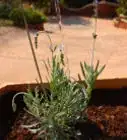
- Herb fennel does not produce the same bulbous stem. It is grown for its delicate leaves, which are used as a herb. Herb fennel also produces seeds which have a licorice-like flavor (as does the rest of the plant) and are used for seasoning.
-
2Plant the fennel outdoors. The process for planting both varieties of fennel is the same. The seeds should be planted directly into the garden, around the time of the last spring frost.
- Plant the fennel seeds in fertile, well drained soil. If necessary, loosen the soil a little before planting and add in some compost and a little soil for drainage.
- Plant the seeds approximately ten inches apart and cover them with a light layer of soil, about 1⁄8 inch (0.3 cm) deep. It's probably a good idea to plant a few more seeds than you need, then thin them out later.
- Plant the fennel far away from any dill or coriander -- these plants tend to cross-pollinate, which reduces seed production and affects the taste.
- You can use an almanac to determine when the last frost typically occurs in your area.[1]
Advertisement -
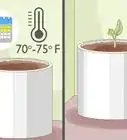
3Plant the fennel indoors. If you prefer, you can plant the fennel seeds in containers approximately 4 weeks before the last spring frost.
- Once the seedlings have grown to height of 3 or 4 inches (7.6 or 10.2 cm), you can harden them off in a cool greenhouse or cold frame before transplanting them to the garden.
- Alternatively, you can keep the fennel in a container. As fennel is a deep-rooted plant, it will require a container at last 12 inches (30.5 cm) deep, filled with light soil with some added gravel for drainage.
- If you plant more than one fennel plant in a container of this size, it will be too crowded to produce a large bulb, but you will still be able to enjoy the leaves and seeds.
-
4Care for the fennel. Fennel grows best in full-sun. At first, you should water it regularly to keep the soil moist. Once it has established itself, you may only need to water it if there is a drought. Be careful not to overwater, as this may cause the roots to rot. There is no need to fertilize the soil during growing season.
- Once the bulb begins to form at the base of the stem, hill up the surrounding soil to cover it. This shades it from the sun and prevents it from turning green. This is known as "blanching", as it keeps the bulb white and sweet (which is only necessary if you intend to eat the bulb).[2]
- Fennel is not usually affected by pests or disease, but occasionally you will spot aphids or whiteflies on the leaves. If so, you can use a pyrethrin-based insecticidal soap to get rid of them.
Advertisement


Part 2
Part 2 of 2:Harvesting Fennel
-
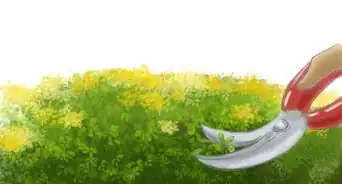
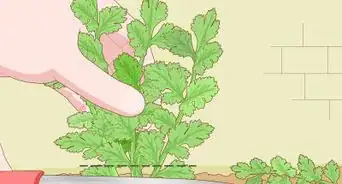
1Harvest the fennel leaves. You can start harvesting the fennel leaves once the plant becomes well-established.
- Don't take too many leaves at once though, or you might harm the plant.
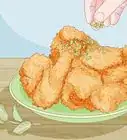
- The fennel leaves can be used to add an aromatic, anise or licorice flavor to soups, salads and other Mediterranean-style diets.
- If you use fennel regularly, try planting multiple plants. Harvest one plant a week, but remember to keep watering and fertilizing the plant after harvest.
-
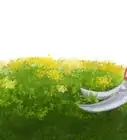
2Harvest the bulb. Florence fennel bulbs can be harvested once they reach the size of a small tennis ball, usually in late summer/early autumn.
- To harvest, cut the fennel below the bulb at the soil line. Use immediately, or store in the refrigerator for several days.
- Fennel bulbs will survive a frost or two, so there is no rush to harvest them as soon as the weather turns cold. However, you shouldn't allow the fennel bulb to grow too large, or it will turn bitter.
-
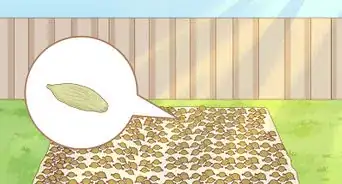
3Harvest the fennel seeds. Fennel seeds can be harvested as soon as they're ripe and the plant's flowers have turned brown.
- The seeds are very loose, so the best way to collect them is to place a large bowl or sheet underneath the plant and shake the seed head. Alternatively, you can wrap the seed heads with cheesecloth while you're cutting the stalks and remove the seeds later.
- Allow the seeds to dry completely, then store them in a cool, dark place in an airtight container. They will keep for up to six months.
-
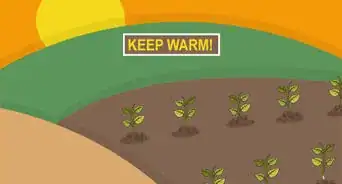
4Leave the fennel to grow as a perennial. Fennel grows as a hardy perennial between USDA hardiness zones 5 and 10. It self-sows very easily, so if it has bloomed once, the seeds will have likely fallen to the ground, allowing it to re-emerge the following spring.
- Every spring, you should fertilize your fennel patch with a standard fertilizer, or nourish the soil with some fresh (preferably homemade) compost.
- However, in northern zones (or areas where winter temperatures regularly drop below 15 degrees F/ -10 degrees C) fennel should be treated as an annual and will need to be replanted each spring.
Advertisement


Community Q&A
Did you know you can get expert answers for this article?
Unlock expert answers by supporting wikiHow
-
QuestionI split one fennel plant into several. Will they produce?
 Andrew Carberry, MPHAndrew Carberry has been working in food systems since 2008. He has a Masters in Public Health Nutrition and Public Health Planning and Administration from the University of Tennessee-Knoxville.
Food Systems ExpertYes, you can divide fennel, and as long as you include a sturdy root with each new plant they will do fine.
Support wikiHow by unlocking this expert answer.
-
QuestionHow do I stop fennel from 'bolting'/going to seed before I get to harvest the bulb?Andrew Carberry, MPHAndrew Carberry has been working in food systems since 2008. He has a Masters in Public Health Nutrition and Public Health Planning and Administration from the University of Tennessee-Knoxville.
Food Systems ExpertI recommend starting your fennel indoors to get a head start on the summer heat.Support wikiHow by unlocking this expert answer.
-
QuestionDoes fennel grow flowers?
 Community AnswerYes. Its flowers are yellow in color and edible.
 -
QuestionI have a fennel bulb that started to grow roots. How can I save it and grow a plant from it?
 Sander1Community AnswerIf it is springtime, you can plant the fennel in your garden. Make sure to give it enough water and a sunny spot. If successful, the plant will start to flower (as fennel does in its second year) and give seeds. However, you cannot eat the fennel afterwards.
 -
QuestionWhy does my fennel bulb look weird?
 Community AnswerIt's organic matter. Sometimes living things look unique.
 -
QuestionWho invented fennel?
 Community AnswerThe word "fennel" developed from the Middle English fenel or fenyl. This came from the Old English fenol or finol, which in turn came from the Latin feniculum or foeniculum, the diminutive of fenum or faenum, meaning "hay". The Latin word for the plant was ferula, which is now used as the genus name of a related plant.
 -
QuestionMy fennel plant is rotting at the base. Why?Sander1Community AnswerYour soil might be too wet. Do you grow fennel on clay? Or has it rained a lot recently?
-
QuestionI usually boil the leaves and stem of the fennel plant. Is it good? Can a person with diabetes use fennel?Community AnswerYes, boiling is fine and it is okay for diabetics to eat. In fact, fennel is good for diabetics.
-
QuestionCan I grow fennel in a pot?
 Community AnswerYou can keep the fennel in a container. As fennel is a deep-rooted plant, it will require a container at last 12 inches (30.5 cm) deep, filled with light soil with some added gravel for drainage. If you plant more than one fennel plant in a container of this size, it will be too crowded to produce a large bulb, but you will still be able to enjoy the leaves and seeds.
 -
QuestionHow and in what ways can I use fennel seeds?Community AnswerI use fennel seeds in most everything. I add it to soups and stews, it is even good in baked items like muffins, scones, etc. I make a tortilla soup that's great with fennel seeds. They're good for your digestive system.

References
About This Article

To grow fennel, start by planting some fennel seeds 10 inches apart in fertile, well-draining soil right around the last frost in spring. Then, cover the seeds with a thin layer of soil and water them regularly to keep the soil moist. Once the bulbs begin to form at the base of the stem, push up the surrounding soil to shade them from the sun and keep them from turning green. At that point, you can begin to cut off the leaves, but wait until the late summer if you want to harvest the bulb. For more advice, including how to grow fennel indoors, keep reading!