wikiHow is a “wiki,” similar to Wikipedia, which means that many of our articles are co-written by multiple authors. To create this article, volunteer authors worked to edit and improve it over time.
Learn more...
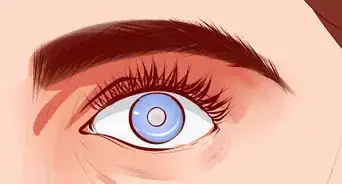
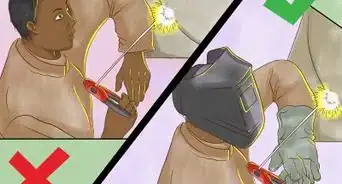
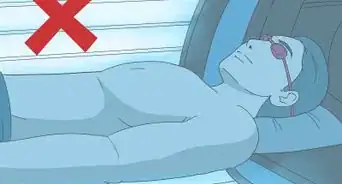
Excessive Ultra Violet (UV) light exposure can cause sunburns, skin cancer, premature aging, eye damage, and can weaken your immune system.[1] Considering all of these health issues that UV light can cause, it is a good idea to check the UV index to see when you should take extra precautions. Luckily, the US Environmental Protection Agency (EPA) makes this easy with their EnviroFlash System, which allows you to get email alerts whenever the UV index rises above a certain level. This wikiHow will show you how to subscribe to these alerts.
Steps
-
1Navigate to the Enviroflash UV Index Forecast Page.
-
2Type your Email address into the "Email Address" box.
-
3Choose when you would like to receive email alerts. For example, if you select "High", then you will get alerts if the UV index is 6 or higher.
- Because the danger for UV light is higher at 6 or above, you may want to consider at least choosing "High".
- Keep in mind that if there is snow on the ground, then the UV level can be doubled because of the reflection. Keep this in mind when selecting the alert level.[2]
- If you only want to receive EPA alerts, then check the "Receive UV Alerts only" box.
-
4Enter your ZIP Code or select your state. If you enter your ZIP Code, then you will receive more accurate forecasts.
-
5Click Subscribe. After clicking submit, click the activation link in your email to activate your subscription.


Warnings
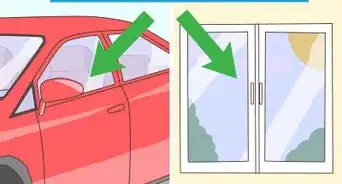
- Be careful when there is snow on the ground, or if you are swimming or at the beach. Snow, water, and sand all reflect UV light and make it more intense.[8]Thanks!
- You may not receive UV notifications during government shutdowns.Thanks!



References
- ↑ https://www.epa.gov/sunsafety/health-effects-uv-radiation
- ↑ https://www.epa.gov/sunsafety/action-steps-sun-safety
- ↑ https://www.epa.gov/sunsafety/action-steps-sun-safety
- ↑ https://www.epa.gov/sunsafety/action-steps-sun-safety
- ↑ https://www.epa.gov/sunsafety/action-steps-sun-safety
- ↑ https://www.epa.gov/sunsafety/action-steps-sun-safety
- ↑ https://enviroflash.epa.gov/uv/Subscriber.do?method=start
- ↑ https://www.epa.gov/sunsafety/action-steps-sun-safety







































Medical Disclaimer
The content of this article is not intended to be a substitute for professional medical advice, examination, diagnosis, or treatment. You should always contact your doctor or other qualified healthcare professional before starting, changing, or stopping any kind of health treatment.
Read More...