This article was medically reviewed by Sarah Gehrke, RN, MS and by wikiHow staff writer, Hannah Madden. Sarah Gehrke is a Registered Nurse and Licensed Massage Therapist in Texas. Sarah has over 10 years of experience teaching and practicing phlebotomy and intravenous (IV) therapy using physical, psychological, and emotional support. She received her Massage Therapist License from the Amarillo Massage Therapy Institute in 2008 and a M.S. in Nursing from the University of Phoenix in 2013.
There are 8 references cited in this article, which can be found at the bottom of the page.
wikiHow marks an article as reader-approved once it receives enough positive feedback. This article received 27 testimonials and 90% of readers who voted found it helpful, earning it our reader-approved status.
This article has been viewed 3,251,620 times.
If you enjoy outdoor activities in the summertime, there’s a good chance you’re going to get a mosquito bite or two in your lifetime. While these bites can be itchy and irritating, the good news is that they usually go away on their own in 2 or 3 days. In the meantime, there are a few methods you can try to reduce irritation and itchiness so your mosquito bite goes away faster.
Steps
Method 1
Method 1 of 11:Try not to scratch.
-
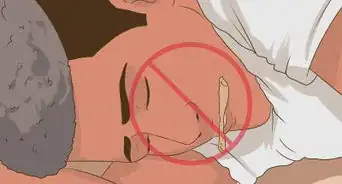
1Scratching can cause a mosquito bite to get infected. An infected mosquito bite takes a lot longer to go away, so do your best to avoid scratching your bites. They're pretty itchy so it can be tough, but we're going to share tons of tricks to help you deal with that! Distracting yourself with other activities can also help get your mind off the itchiness.[1]
- If your child has mosquito bites that they can’t stop scratching, cut their nails short so they can’t scratch it as easily.
Advertisement

Method 2
Method 2 of 11:Wash the bite with soap and water.
-
1Try to do this as soon as you notice the bite. Use cool water to reduce the swelling and itching. If you have a lot of mosquito bites all over your body, take a cool shower and wash the area with body wash or soap.[2]

Method 3
Method 3 of 11:Hold an ice pack over the bite.
-
1Icing the mosquito bite soothes itchiness and swelling. Grab an ice pack or a bag of ice cubes in a kitchen towel and place it over the affected area for 10 minutes or so. This helps with the itchy feeling and also reduces the swelling a bit so the bite doesn't look so irritated.[3]
- If you don’t have any ice handy, use a cool washcloth instead.
- You can do this a couple times a day any time your mosquito bite gets swollen or itchy.
Advertisement

Method 4
Method 4 of 11:Apply calamine lotion to the bite.
-
1You can also use a hydrocortisone (anti-itch) cream. Just dab a small amount of either product directly over the bite to soothe the inflamed skin. It's safe to do this 3-4 times a day until your symptoms go away.[4]
- Buy these products at your local drugstore. Be sure to read the label and follow the instructions on the back!

Method 5
Method 5 of 11:Cover the bite with a baking soda paste.
-
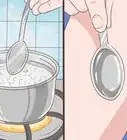
1Baking soda can help relieve irritation and itchiness. To make a baking soda paste, mix 3 teaspoons (15 mL) of baking soda with 1 teaspoon (4.9 mL) of water. Apply the paste to your bite, wait 10 minutes, and then wash it off with cool water.[5]
- Do this a few times a day until your bite goes away.
- This is a great alternative if you can’t find calamine lotion or hydrocortisone cream.
Advertisement

Method 6
Method 6 of 11:Rub aloe vera over the area.
-
1Aloe vera soothes and moisturizes inflamed skin. Pick up an aloe vera gel from your local drugstore and gently rub it over your mosquito bite. Leave it on your skin until it soaks in to reduce redness and irritation.[6]
- It's not super common, but aloe vera can cause skin irritation in some people. If your skin gets red or rashy after you apply the gel, rinse it off with cool water right away.

Method 7
Method 7 of 11:Use witch hazel to reduce redness.
-
1Witch hazel has anti-itch and anti-inflammatory properties. Squirt a small amount of the liquid on a cotton round or swab and gently pat it over the bite. You can buy witch hazel extract at most drugstores.
- Studies on the effectiveness of witch hazel have shown mixed results. It certainly won't hurt to try it, though! It's a natural and gentle astringent.[7]
Advertisement

Method 8
Method 8 of 11:Try an Epsom salt soak.
-
1Epsom salts can help soothe and relieve pain and itchiness. Fill a bathtub with cold or room temperature water and add Epsom salts as directed on the package. Soak in the bath for 30 minutes to an hour, keeping the affected area submerged the entire time.[8]
- Studies on the effectiveness of using Epsom salt for insect bites aren't clear. However, there’s no harm in trying it out to see if it works for you.

Method 9
Method 9 of 11:Take an oral antihistamine.
-
1An OTC antihistamine can relieve swelling and itching around the bite. Head to your local drugstore and pick up an over-the-counter antihistamine like Benadryl or Chlor-Trimeton. Follow the dosage instructions on the back to relieve your symptoms and reduce the need to itch.[9]
- If you’re treating a young child with a mosquito bite, talk to their doctor before giving them any medication.
Advertisement

Method 10
Method 10 of 11:Reduce itching with firm pressure.
-
1You can use a small object to get some relief. If the itchiness is getting tough to deal with, press a small object like a pen cap or a penny directly onto the bite. Hold it there for 10 seconds, then let go. You should feel a little bit of relief, but you can do this as many times as you need to.[10]
- You can also press your fingernail into the bite.
- Most mosquito bites itch for 3 to 4 days.

Method 11
Method 11 of 11:Call your doctor if the bite gets infected.
-
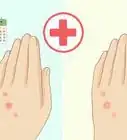
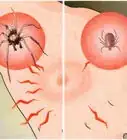
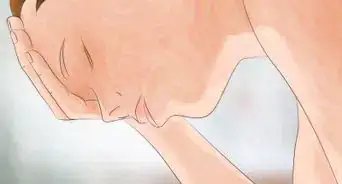
1Infected bites need to be treated with antibiotics. If you think your bite might be infected, it’s time to make an appointment with your doctor. Generally, mosquito bites that stick around for longer than 4 or 5 days need medical attention. Other warning signs of an infection include:[11]
- Redness that streaks beyond the initial bite
- Swollen lymph nodes
- Chills
- Pus
- Bite feels warm to the touch
- Fever
Advertisement

Expert Q&A
Did you know you can get premium answers for this article?
Unlock premium answers by supporting wikiHow
-
QuestionI have over 20 mosquito bites. How do I treat them quickly?
 Sarah Gehrke, RN, MSSarah Gehrke is a Registered Nurse and Licensed Massage Therapist in Texas. Sarah has over 10 years of experience teaching and practicing phlebotomy and intravenous (IV) therapy using physical, psychological, and emotional support. She received her Massage Therapist License from the Amarillo Massage Therapy Institute in 2008 and a M.S. in Nursing from the University of Phoenix in 2013.
Registered NurseWhen you get a lot of bites at one time, the most effective treatments are anti-itch creams, such as calamine, hydrocortisone, and Benadryl. If the over-the-counter creams aren't helping you may need to try an oral Benadryl. A hot shower may sound nice, but it's best to take cooler showers to prevent the itching from getting worse.
Support wikiHow by unlocking this expert answer.
-
QuestionHow do I get rid of mosquito bites on my face?Sarah Gehrke, RN, MSSarah Gehrke is a Registered Nurse and Licensed Massage Therapist in Texas. Sarah has over 10 years of experience teaching and practicing phlebotomy and intravenous (IV) therapy using physical, psychological, and emotional support. She received her Massage Therapist License from the Amarillo Massage Therapy Institute in 2008 and a M.S. in Nursing from the University of Phoenix in 2013.
Registered NurseAn over-the-counter anti-itch cream (calamine, hydrocortisone, and Benadryl) and ice are the most effective treatments, especially for the face where the skin is more sensitive. It may be best for you to avoid oils or products that may irritate your skin, such as essential oils or apple cider vinegar. Keep your face clean using cool water and avoid scratching as best as possible to prevent increasing the itch cycle and breaking the skin.Support wikiHow by unlocking this expert answer.
Warnings
- You may experience a severe allergic reaction to a bite. Severe hives, wheezing and a swollen throat require immediate medical attention.[12]Thanks!




References
- ↑ https://www.nhs.uk/conditions/insect-bites-and-stings/treatment/
- ↑ https://www.cdc.gov/mosquitoes/mosquito-bites/symptoms.html
- ↑ https://www.cdc.gov/mosquitoes/mosquito-bites/symptoms.html
- ↑ https://www.mayoclinic.org/diseases-conditions/mosquito-bites/diagnosis-treatment/drc-20375314
- ↑ https://www.cdc.gov/mosquitoes/mosquito-bites/symptoms.html
- ↑ https://americanpregnancy.org/healthy-pregnancy/pregnancy-health-wellness/mosquito-bites-when-pregnant-11558/
- ↑ https://www.news24.com/health24/natural/herbs/herbs-a-z/witch-hazel-hamamelis-virginiana-20120721
- ↑ https://www.canr.msu.edu/news/epsom_salt_as_a_home_remedy
- ↑ https://www.mayoclinic.org/diseases-conditions/mosquito-bites/diagnosis-treatment/drc-20375314
About This Article

Medical Disclaimer
The content of this article is not intended to be a substitute for professional medical advice, examination, diagnosis, or treatment. You should always contact your doctor or other qualified healthcare professional before starting, changing, or stopping any kind of health treatment.
If you have a mosquito bite that you need to get rid of, wash the bite with soap and cold water as soon as possible. Apply calamine lotion or hydrocortisone cream to the bite to help alleviate any itching. For a more natural remedy, soak the bite in water and Epsom salt or cover it with a paste made from baking soda. If the mosquito bite is painful or swollen, hold an ice pack on top of the area for about 10 minutes. Keep reading for tips from our medical reviewer on how to prevent mosquito bites!