This article was co-authored by Aimee Eyvazzadeh, MD, MA. Aimee Eyvazzadeh is a Fertility Specialist and the Founder of The Egg Whisperer Show, a fertility care program focusing on fertility education based in the San Francisco Bay Area. Her work has been featured in magazines such as People, Forbes, and Marie Claire, and she has been featured on the Today Show, Good Morning America, and CNN. She earned an MD from the University of California, Los Angeles in 2001, completed an OB/GYN residency at Harvard Medical School in 2005, and finished a fellowship in Reproductive Endocrinology and Infertility at University of Michigan, where she also completed an MPH.
There are 13 references cited in this article, which can be found at the bottom of the page.
wikiHow marks an article as reader-approved once it receives enough positive feedback. This article received 121 testimonials and 100% of readers who voted found it helpful, earning it our reader-approved status.
This article has been viewed 3,527,364 times.
That time of the month is never any fun, especially if it comes with painful and debilitating cramps. Fortunately, there are many different things you can try to relieve cramping. And while there's probably nothing you can do to prevent menstrual cramps, you can keep them from being as intense.[1]
Here are 13 effective ways to get rid of period cramps.
Steps
Method 1
Method 1 of 13:Use a heating pad for 15-20 minutes.
-
1Place the heating pad on your tummy or lower back to ease cramps. Heat also improves blood flow, which can help with cramping.[2] For some people, heat is even more effective than an over-the-counter pain reliever.[3]
- You can also soak in a hot bath, which can be relaxing for your body and your mind.

Method 2
Method 2 of 13:Lie on your side to relieve back pressure.
-
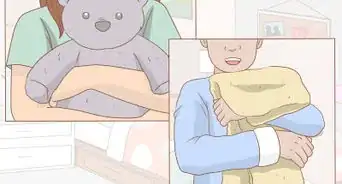
1Put on comfy clothing and lie on your side with your knees pulled up. This works well to relieve pressure on your lower back, which can be intense when you're having cramps. You might put a pillow between your knees as well.[4]
- Lying on your back with a pillow under your knees can also help. For a bonus, put a heating pad on your abdomen or cover yourself with a weighted blanket.[5]

Method 3
Method 3 of 13:Take an over-the-counter anti-inflammatory medicine.
-
1Use ibuprofen (Advil, Motrin IB) or naproxen sodium (Aleve). For best results, start taking a regular dose the day before you anticipate cramping will start. Having a base level of the drug in your symptom helps them work better. Keep taking a regular dose throughout your period following the instructions on the label.[6]
- If you don't get enough pain relief, talk to your doctor. They might approve a larger dose or prescribe a stronger pain medication that will work better for you.

Method 4
Method 4 of 13:Drink more water.
-
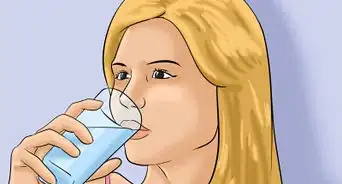
1Getting plenty of fluids can ease cramps and bloating. As your period draws near, you're more likely to retain water (bloating), which in and of itself can be painful. Simply drinking more water can reduce the severity of your cramps and might even shorten your period.[7]
- People who drink at least 1600 mL (about 54 ounces) of water a day before and during their periods are less likely to need anti-inflammatory drugs to reduce the pain from cramps.[8]

Method 5
Method 5 of 13:Try herbal tea to reduce muscle spasms.
-
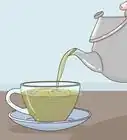
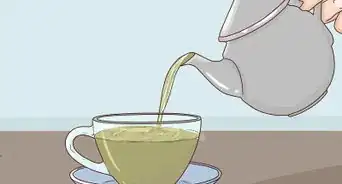
1Chamomile tea eases mental stress and calms tense muscles. You can find this herbal tea at any grocery store. A cup before going to bed will help relax you and can improve your sleep quality as well.[9]

Method 6
Method 6 of 13:Breathe deeply to relax your body.
-
1Deep breathing exercises can reduce the intensity of cramps.[10] For an easy breathing exercise, sit in a comfortable position and turn your thoughts to your breath. Inhale slowly through your nose, imagining your lungs filling with air from the bottom to the top. Pause, then exhale through your mouth, releasing the air just as slowly as you brought it in. Repeat for 5-10 breath cycles.[11]
- There are many yoga poses that practitioners recommend for easing period cramps as well. An online search will bring up plenty of videos you can follow that are suitable for beginners.[12]

Method 7
Method 7 of 13:Try massage, acupuncture, or acupressure treatment.
-
1These alternative therapies reduce cramps for many people. While these alternative therapies aren't government-regulated and haven't been studied extensively, they are considered safe. If you've tried other remedies and weren't happy with the results, they're worth a try![13]
- You might also try physical therapy that aims to reduce pressure at certain trigger points associated with menstrual cramps. Nerve stimulation therapy can also help.[14]
- Keep in mind that many of these alternative therapies can be costly and they typically aren't covered by health insurance.

Method 8
Method 8 of 13:Exercise regularly to reduce cramping.
-
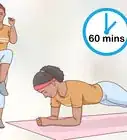
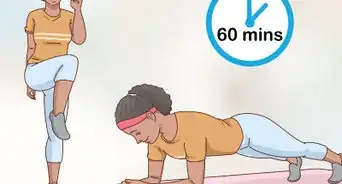
1Cardiovascular exercise improves blood flow to make cramping less intense.[15] Make exercise a part of your routine, aiming for 20-30 minutes of moderate-intensity exercise on most days of the week.[16] This can be as simple as going for a walk! Choose an activity you enjoy so you'll be motivated to get out there and do it.
- During PMS, exercise is also helpful—if you can get yourself moving. Sometimes you might not feel up to it, but if you can manage even a short walk, it'll get those endorphins pumping and you might find you start to feel a little better.[17]

Method 9
Method 9 of 13:Eat anti-inflammatory foods to promote blood flow.
-
1Fruits, vegetables, and whole grains help cramping over time. This won't help you much if you only do this when your cramps set in—this is a lifestyle change. Make adjustments gradually, replacing refined grains like white bread and pasta with whole grains and eliminating processed and fried foods.[18]
- You don't necessarily have to go full vegan, but you might also notice less cramping if you avoid animal products entirely, especially meat and dairy.
- This is an easier change to make if you get your family and friends involved—it's hard to change your way of eating on your own. Make the change slowly, eliminating one food at a time over the course of several weeks.
- Talk to your doctor or work with a nutritionist to come up with food options that will leave you feeling full and provide you with the nutrition you need.

Method 10
Method 10 of 13:Avoid caffeine and sugar.
-
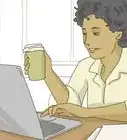
1Sugar and caffeine make period cramps worse. When you're in the throes of PMS, nothing sounds better than chocolate. Unfortunately, it can do you more harm than good.[19] Reach for a decaf coffee if you must, or have a small piece of dark chocolate.
- If you're having a hard time with sugar cravings, try a cup of hibiscus tea, which can help naturally calm the urge for something sweet.[20]

Method 11
Method 11 of 13:Try dietary supplements to reduce cramping.
-
1Studies show omega-3 and magnesium supplements might ease cramps. Vitamins E, B-1 (thiamin), and B-6 also help some people reduce the intensity of their cramps. Talk to your doctor before taking any nutritional supplements, especially if you're taking medication for other conditions.[21]
- Like changing your diet, supplements are more of a lifestyle change. If you only take these supplements during your period, you likely won't notice much effect. However, if you take them for a month or two, you might start to see a difference.

Method 12
Method 12 of 13:Talk to your doctor about birth control.
-
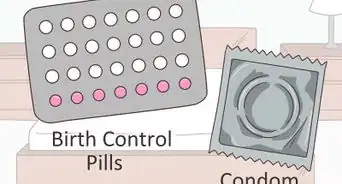
1Hormonal birth control helps treat painful periods. Birth control methods that contain estrogen and progestin, such as the pill, the patch, or the vaginal ring, tend to work best. However, methods that only contain progestin might also work.[22]
- You can also get a hormonal intrauterine device (IUD) implanted to help with menstrual cramps. The IUD frequently results in a lighter menstrual flow, which makes the whole experience less intense. Over time, you might even stop bleeding completely.

Method 13
Method 13 of 13:Get medical help if other remedies don't help.
-
1Severe cramps might be a sign of something more serious. If your period pain is so bad that it's hard for you to do everyday activities, or if nothing seems to make it better, make an appointment with a gynecologist. Tell them about your menstrual history, your lifestyle, and any drugs you're taking for other medical conditions. All of this information will help them figure out what might be making your cramps so bad and what they can do to help. Possibilities include:[23]
- Pelvic inflammatory disease: an infection of your reproductive organs
- Endometriosis: the lining of your uterus grows outside your uterus, leading to severe pain
- Adenomyosis: your uterine lining grows into the muscle wall of your uterus
- Uterine fibroids: non-cancerous growths that cause severe cramping unless removed

Expert Q&A
Did you know you can get premium answers for this article?
Unlock premium answers by supporting wikiHow
-
QuestionWhat if I have persistent cramps?
 Aimee Eyvazzadeh, MD, MAAimee Eyvazzadeh is a Fertility Specialist and the Founder of The Egg Whisperer Show, a fertility care program focusing on fertility education based in the San Francisco Bay Area. Her work has been featured in magazines such as People, Forbes, and Marie Claire, and she has been featured on the Today Show, Good Morning America, and CNN. She earned an MD from the University of California, Los Angeles in 2001, completed an OB/GYN residency at Harvard Medical School in 2005, and finished a fellowship in Reproductive Endocrinology and Infertility at University of Michigan, where she also completed an MPH.
OB/GYN & Fertility SpecialistGo see a doctor. Severe and perpetual period cramps can be a sign of fibroids and endometriosis. I wouldn't worry right away, but it is something you need to get an evaluation.
Support wikiHow by unlocking this expert answer.
-
QuestionWhat's the fastest way to get rid of period cramps?Aimee Eyvazzadeh, MD, MAAimee Eyvazzadeh is a Fertility Specialist and the Founder of The Egg Whisperer Show, a fertility care program focusing on fertility education based in the San Francisco Bay Area. Her work has been featured in magazines such as People, Forbes, and Marie Claire, and she has been featured on the Today Show, Good Morning America, and CNN. She earned an MD from the University of California, Los Angeles in 2001, completed an OB/GYN residency at Harvard Medical School in 2005, and finished a fellowship in Reproductive Endocrinology and Infertility at University of Michigan, where she also completed an MPH.
OB/GYN & Fertility SpecialistThe best thing you can do is take an NSAID, like ibuprofen. In my opinion, that's really the only thing you can do. Any of the other ideas out there may help a bit, but that's really the only solution I know of.Support wikiHow by unlocking this expert answer.
-
QuestionDoes my weight impact my cramping?Aimee Eyvazzadeh, MD, MAAimee Eyvazzadeh is a Fertility Specialist and the Founder of The Egg Whisperer Show, a fertility care program focusing on fertility education based in the San Francisco Bay Area. Her work has been featured in magazines such as People, Forbes, and Marie Claire, and she has been featured on the Today Show, Good Morning America, and CNN. She earned an MD from the University of California, Los Angeles in 2001, completed an OB/GYN residency at Harvard Medical School in 2005, and finished a fellowship in Reproductive Endocrinology and Infertility at University of Michigan, where she also completed an MPH.
OB/GYN & Fertility SpecialistYes, the higher your BMI is, the more likely you are to get cramps. Keeping your BMI in a healthy range will minimize the amount of period cramps you run into.Support wikiHow by unlocking this expert answer.
Warnings
- If you have severe cramps that don't respond to any basic treatments, contact your doctor as soon as possible. Your cramps might be a symptom of a more serious underlying condition.[26]Thanks!
-Step-21.webp)
-Step-18-Version-3.webp)


References
- ↑ https://my.clevelandclinic.org/health/diseases/4148-dysmenorrhea
- ↑ https://www.uofmhealth.org/health-library/aq0001
- ↑ https://www.ncbi.nlm.nih.gov/pmc/articles/PMC6214933/
- ↑ https://www.uofmhealth.org/health-library/aq0001
- ↑ https://www.womansday.com/health-fitness/womens-health/g26496857/how-to-deal-with-cramps/
- ↑ https://www.mayoclinic.org/diseases-conditions/menstrual-cramps/diagnosis-treatment/drc-20374944
- ↑ https://bmcwomenshealth.biomedcentral.com/articles/10.1186/s12905-021-01184-w
- ↑ https://bmcwomenshealth.biomedcentral.com/articles/10.1186/s12905-021-01184-w
- ↑ https://www.pennmedicine.org/updates/blogs/health-and-wellness/2019/december/health-benefits-of-tea
- ↑ https://www.plannedparenthood.org/learn/health-and-wellness/menstruation/what-can-i-do-about-cramps-and-pms
- ↑ https://www.uofmhealth.org/health-library/uz2255
- ↑ https://www.youtube.com/watch?v=4JaCcp39iVI
- ↑ https://my.clevelandclinic.org/health/diseases/4148-dysmenorrhea
- ↑ https://www.acog.org/womens-health/faqs/dysmenorrhea-painful-periods
- ↑ https://www.uofmhealth.org/health-library/aq0001
- ↑ https://my.clevelandclinic.org/health/diseases/4148-dysmenorrhea
- ↑ https://kidshealth.org/en/kids/period-cramps.html
- ↑ https://www.pcrm.org/good-nutrition/nutrition-information/using-foods-against-menstrual-pain
- ↑ https://www.plannedparenthood.org/learn/health-and-wellness/menstruation/what-can-i-do-about-cramps-and-pms
- ↑ https://www.pennmedicine.org/updates/blogs/health-and-wellness/2019/december/health-benefits-of-tea
- ↑ https://www.mayoclinic.org/diseases-conditions/menstrual-cramps/diagnosis-treatment/drc-20374944
- ↑ https://www.acog.org/womens-health/faqs/dysmenorrhea-painful-periods
- ↑ https://www.plannedparenthood.org/learn/health-and-wellness/menstruation/what-can-i-do-about-cramps-and-pms
- ↑ https://www.plannedparenthood.org/learn/health-and-wellness/menstruation/what-can-i-do-about-cramps-and-pms
- ↑ https://my.clevelandclinic.org/health/diseases/4148-dysmenorrhea
- ↑ https://www.acog.org/womens-health/faqs/dysmenorrhea-painful-periods
About This Article

If you’ve already taken or you don’t want to take a painkiller, you can help ease your menstrual cramps by eating a banana, fish, or other foods that are rich in potassium, but you should avoid caffeine, which can make cramps worse. Getting 30 minutes of brisk exercise such as walking or jogging can also help relieve cramps. If you’re at home, take a warm Epsom salt bath or place hot water bottles on your stomach and lower back. To learn how supplements can help get rid of cramps, keep reading!