This article was co-authored by Lisa Bryant, ND and by wikiHow staff writer, Hannah Madden. Dr. Lisa Bryant is Licensed Naturopathic Physician and natural medicine expert based in Portland, Oregon. She earned a Doctorate of Naturopathic Medicine from the National College of Natural Medicine in Portland, Oregon and completed her residency in Naturopathic Family Medicine there in 2014.
There are 7 references cited in this article, which can be found at the bottom of the page.
wikiHow marks an article as reader-approved once it receives enough positive feedback. In this case, 100% of readers who voted found the article helpful, earning it our reader-approved status.
This article has been viewed 216,343 times.
Dealing with itchy skin is never fun, no matter what the cause is. Thankfully, there are ways you can address your itchy skin and soothe irritation right from home without having to go to the doctor or dermatologist.
Here are 14 home remedies to get rid of itchy skin.
Steps
Method 1
Method 1 of 14:Use a cold compress.
-
1Wet a cloth and hold it against your skin for about 30 minutes. Use cold water to soothe your skin and stop the itching. Over time, the water will help soften and remove dead skin that might be causing irritation.[1]
- You can also press ice packs or frozen bags of peas or beans against the itchy area, but wrap them in a towel first. Apply frozen items for between 10-20 minutes about once a day.
- Stay away from heating pads or hot compresses, as that could make your skin more irritated.

Method 2
Method 2 of 14:Take a cool shower.
-
1Soak in the shower for 10 to 15 minutes at a time. Hop into the shower and turn the water to cool (but not cold). Stay in there until your itching subsides.[2]
- You can also soak in a bath full of cool water, although that might be slightly less comfortable than taking a cool shower.

Method 3
Method 3 of 14:Take an oatmeal bath.
-
1Try soaking in it for 20 to 30 minutes to soothe your skin. Fill up your tub with cool to lukewarm water, then add in 2 cups (400 g) of unprocessed and uncooked oatmeal. Soak in the bath until your skin feels better or you get too cold.[3]
- You can also make a paste out of uncooked oat flour and water to target specific areas of your skin. Simply apply it to your itchy skin and leave it on for 20 to 30 minutes for some relief.

Method 4
Method 4 of 14:Moisturize every day.
-
1Apply moisturizer to damp skin to lock in hydration. Dry skin is a big cause of itching. Purchase a fragrance-free moisturizer and apply it every day, focusing on the areas that are the itchiest. Try to put on your moisturizer right after you get out of the shower when your skin is the wettest.[4]
- Ingredients like alcohol and added fragrances can cause irritation and make your skin even drier.
- Thick ointments like petroleum jelly work well on severe skin irritation like eczema.[5]
- Lotions and creams are best for normal to dry skin.

Method 5
Method 5 of 14:Try calamine or menthol lotion.
-
1These topical cooling agents can help soothe and relieve itching. Buy a lotion that contains calamine or menthol from your local drugstore, then smooth it onto your itchy skin. You can use these products daily to help reduce irritation and itching over time.[6]
- These creams work almost instantly, and you’ll actually feel a cooling sensation on your skin.

Method 6
Method 6 of 14:Use aloe vera on the area.
-
1Aloe vera contains anti-bacterial and anti-inflammatory properties. It also has plenty of vitamin E that is useful in the treatment of burns and helps to reduce inflammation and itching. Pick up some aloe vera gel from your local drugstore and smooth it onto your irritated skin.[7]
- Aloe vera gel from a store is fine, but fresh aloe vera is ideal! If you have a whole aloe plant, take a piece, cut it open, and then apply the gel over the itchy skin.

Method 7
Method 7 of 14:Set up a humidifier in your home.
-
1Dry air can make your skin even itchier. If you live in a dry climate, set up a humidifier in your home to put moisture back into the air and keep your skin from drying out. This is especially important during the winter time when the heating in your home could be drying out the air.[8]
- Try to clean your humidifier regularly to avoid a buildup of mold or mildew. Check your instruction manual for an exact timeline of how often you should be cleaning it.

Method 8
Method 8 of 14:Limit bathing to 2 to 3 times per week.
-
1Too many showers or baths can make your skin itchier. When you shower, use lukewarm water instead of hot, and try not to stay in the shower for more than 10 to 15 minutes. When you get out, moisturize right away to avoid itchy skin.[9]
- Warm water can dry out your skin and make it itchier.

Method 9
Method 9 of 14:Wear loose, cotton clothing.
-
1Tight clothes can cause irritation. Similarly, clothing made of wool and synthetic fabrics can cause itchiness, especially if you have sensitive skin. Try to pick out clothes made of cotton that are a little loose so they don’t irritate your skin.[10]
- Cotton clothing also helps wick away moisture and sweat, which can help prevent itchy skin.

Method 10
Method 10 of 14:Pat and tap your skin instead of scratching.
-
1Unfortunately, scratching usually makes itching worse. If you’re really having trouble keeping your hands away from your itchy skin, try patting or tapping the skin instead of scratching with your nails. Keep your nails short so you aren't tempted to scratch and make your skin even more irritated.[11]
- Scratching can also lead to infection if you accidentally break the skin.

Method 11
Method 11 of 14:Use laundry detergent for sensitive skin.
-
1Regular detergent contains chemicals that may irritate your skin. Try to find unscented detergent or detergent made specifically for sensitive skin. In addition, try putting all your clothes through an extra-rinse cycle to remove any lingering traces of the detergent.[12]
- You may also want to consider using all-natural or organic cleaning products that minimize added chemicals.

Method 12
Method 12 of 14:Sleep for 7 to 9 hours every night.
-
1Being tired can make your skin irritation worse. In general, try to sleep for around 8 hours each night to stay rested and wake up refreshed. If you have trouble falling asleep, try turning off your electronics 30 minutes before you go to bed, and make sure your room is cool, dark, and quiet.[13]
- If your itchy skin is keeping you awake, use a cooling agent about 30 minutes before you go to sleep.

Method 13
Method 13 of 14:Reduce your stress levels.
-
1Practice yoga, meditation, and self-care often. The less stressed you are, the better your skin will feel. Try to do something relaxing for yourself every single day to lower your stress levels and stay happy.[14]
- Reducing stress can look different for everyone. Don’t be afraid to try out a few different relaxation methods before you find something you like!

Method 14
Method 14 of 14:Avoid topical antihistamine sprays.
-
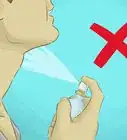
1They can actually make itchy skin worse. As you shop around for anti-itch products, you might find sprays like Benadryl or Caladryl. However, experts warn that products like these can cause irritation, and it’s hard to control the dosage in a spray.[15]

Expert Q&A
-
QuestionWhat can I do if my vagina itches?
 Lisa Bryant, NDDr. Lisa Bryant is Licensed Naturopathic Physician and natural medicine expert based in Portland, Oregon. She earned a Doctorate of Naturopathic Medicine from the National College of Natural Medicine in Portland, Oregon and completed her residency in Naturopathic Family Medicine there in 2014.
Licensed Naturopathic PhysicianThere are several causes for vaginal itching and determining the cause first is important to help guide the treatment. Some common causes are yeast infections, vaginal dryness, irritation from soaps and laundry detergent and sexually transmitted infections. See your doctor to rule these out and then go from there. -
QuestionI don't know the cause of itching on my legs, but it's really bad. What should I do?Lisa Bryant, NDDr. Lisa Bryant is Licensed Naturopathic Physician and natural medicine expert based in Portland, Oregon. She earned a Doctorate of Naturopathic Medicine from the National College of Natural Medicine in Portland, Oregon and completed her residency in Naturopathic Family Medicine there in 2014.
Licensed Naturopathic PhysicianYou can try the treatments described in this article first. If your symptoms do not resolve within a few days, schedule an appointment with your doctor for further exams and evaluation. -
QuestionI am not able to find what kind of allergy I'm having. Can I tell by when I get the irritation?Lisa Bryant, NDDr. Lisa Bryant is Licensed Naturopathic Physician and natural medicine expert based in Portland, Oregon. She earned a Doctorate of Naturopathic Medicine from the National College of Natural Medicine in Portland, Oregon and completed her residency in Naturopathic Family Medicine there in 2014.
Licensed Naturopathic PhysicianSome reactions form right after exposure, while others are delayed. If you suspect it's something in your environment or food (and haven't been able to determine on your own), you could consider getting allergy testing done with by an allergist or dermatologist.







-Step-22.webp)
References
- ↑ https://www.aad.org/public/everyday-care/itchy-skin/itch-relief/relieve-itchy-skin
- ↑ https://www.nhs.uk/conditions/itchy-skin/
- ↑ https://www.aad.org/public/everyday-care/itchy-skin/itch-relief/relieve-itchy-skin
- ↑ https://www.mayoclinic.org/diseases-conditions/itchy-skin/diagnosis-treatment/drc-20355010
- ↑ https://www.aad.org/dermatology-a-to-z/diseases-and-treatments/a---d/atopic-dermatitis/tips
- ↑ https://www.aad.org/public/everyday-care/itchy-skin/itch-relief/relieve-itchy-skin
- ↑ https://www.ncbi.nlm.nih.gov/pmc/articles/PMC3931201/
- ↑ https://www.mayoclinic.org/diseases-conditions/itchy-skin/diagnosis-treatment/drc-20355010
- ↑ https://www.aafp.org/afp/2003/0915/p1145.html
- ↑ https://www.nhs.uk/conditions/itchy-skin/
- ↑ https://www.nhs.uk/conditions/itchy-skin/
- ↑ https://www.nhs.uk/conditions/itchy-skin/
- ↑ https://www.mayoclinic.org/diseases-conditions/itchy-skin/diagnosis-treatment/drc-20355010
- ↑ https://www.mayoclinic.org/diseases-conditions/itchy-skin/diagnosis-treatment/drc-20355010
- ↑ https://www.uofmhealth.org/health-library/aa67251
- ↑ https://www.nhs.uk/conditions/itchy-skin/
About This Article

Medical Disclaimer
The content of this article is not intended to be a substitute for professional medical advice, examination, diagnosis, or treatment. You should always contact your doctor or other qualified healthcare professional before starting, changing, or stopping any kind of health treatment.
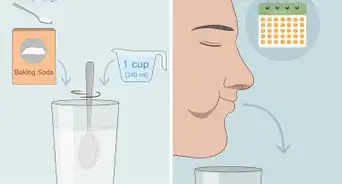
To get rid of itchy skin with home remedies, prepare a bath with cool water and a cup of baking soda and soak in it for 30 minutes. You can also add some ground up oatmeal to the bath, which will help soothe your skin and reduce itchiness. If you have aloe vera gel on hand, apply some to the areas of your skin that are itching to reduce itchiness and inflammation. Even just holding a cold, wet towel against your skin can make it less itchy. For more home remedies, like moisturizing with petroleum jelly, keep reading!