This article was co-authored by wikiHow staff writer, Kai Hynes. Kai Hynes is a Writing Fellow from San Jose, California, currently residing in Portland, Oregon. In addition to writing for wikiHow, Kai works as a theatre actor and performance artist. Kai holds a BA in English and Theatre from The University of Portland.
Learn more...
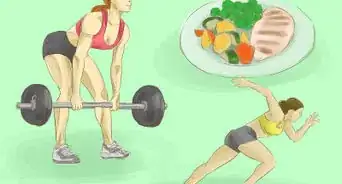
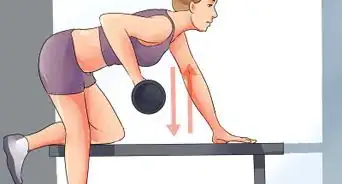
If you’re experiencing depression, it can be tough to find the motivation and energy to be active. Don’t worry—there are plenty of ways you can exercise and stay healthy without stressing yourself out anymore. Even if you’re not a person who’s usually physically active, regular exercise has been proven to help fight the effects of depression. For some tips on how to get motivated to exercise when you’re depressed, read on.
Steps
Method 1
Method 1 of 11:Commit to a schedule.
-
1Select consistent days and times to exercise. If you’re struggling to be “in the mood” to work out, set aside specific days of the week and times of day that you usually have some free time. Make sure this schedule aligns with your other schedules (like work and sleep) so you don’t feel stressed about making it happen every day.[1]
- For example, if you struggle with waking up, don’t exercise in the morning. Instead, try exercising after work, school, or a meal.
- Don’t pressure yourself to make up for an exercise period you miss.
Advertisement

Method 2
Method 2 of 11:Spread out your workout sessions.
-
1Walk, jog, bike, or dance 3-5 times a week for 30 minutes. The average adult only needs 2-3 hours of physical activity a week to stay healthy. Instead of stuffing all your exercise into one grueling workout, try splitting it up across the week in short sessions.[2]
- The number of days and minutes is up to you, as long as it’s frequent and consistent.

Method 3
Method 3 of 11:Create a repeatable routine.
-
1Pick activities you can do no matter how you’re feeling. The stress of making decisions can exacerbate the effects of depression. To avoid this, pick an exercise routine that’s feasible no matter where your mind or emotions are at on any given day.[3]
- Be prepared for feeling low energy some days. Again, consistency is more important than intensity.
- For example, going for a walk every day might be more realistic than rallying yourself to do a 10-part workout.
Advertisement

Method 4
Method 4 of 11:Sign up for a class.
-
1Find a pre-existing workout plan to follow. If you have trouble creating your own workout routine, you can find one that already exists. Classes can give you a regimen to follow, as well as incentive to keep at it.[4]
- Only pick classes with activities and intensities that interest you.
- If you’re a social person, this can also be a way to be around new people.
- If you’re not very social, consider seeking out one-on-one sessions.

Method 5
Method 5 of 11:Exercise with a friend.
-
1Ask around for a workout buddy to hold you accountable. Designating a friend to exercise with you gives you a healthy social pressure to stick to a work out routine. Ask a friend, colleague, or partner with a similar schedule to exercise with you.[5]
- Pick someone who you know will encourage and motivate you.
- Exercising with a friend could also make it more fun for both of you.
Advertisement

Method 6
Method 6 of 11:Listen to music.
-
1Exercise with headphones to motivate yourself. If you don’t like the silence of working out alone or what plays at the gym, listen to your own music while you exercise. This can both motivate you to keep pushing forward and distract you from negative thoughts and feelings.[6]
- If you’re not a music fan, try audiobooks or podcasts.

Method 7
Method 7 of 11:Stick to activities you enjoy.
-
1Don’t force yourself to do anything you really don’t want to do. Depression can make it difficult to find interest or pleasure in things. If you find an exercise routine boring or exhausting, switch things up and try something else.[7]
- Try activities that you know you used to enjoy doing.
- If activities you used to enjoy are no longer fun, try something new.
- Try to not let your exercise routine become a chore that you dread doing.
Advertisement

Method 8
Method 8 of 11:Set realistic goals for yourself.
-
1Acknowledge your limitations and create new objectives. With depression, it might feel difficult to live up to lofty standards that you have for yourself. Don’t push yourself and cause yourself unnecessary stress. Instead, reimagine new, realistic goals for you and your body.[8]
- Start by setting smaller goals you might be able to surpass easily, which can motivate you to slowly aim higher and higher.
- For example, rather than planning to lose 12 pounds (5.4 kg) in a month, aim for something easily attainable, like 2–4 pounds (0.91–1.81 kg).
- Or, focus on increasing strength and duration. For example, set a certain mile time or number of pushups you want to aim for.
- Try not to compare your body to unrealistic beauty standards.

Method 9
Method 9 of 11:Be kind to yourself.
-
1Don’t beat yourself up if you don’t always stick to your routine. It can be easy to fall into negative self-talk when you miss a day of exercise or don’t push yourself as hard as you know you can. But focusing on small “failures” can only lead to more negative feelings and less motivation. Instead, focus on the overall progress you’re making with your new routines.[9]
- Be patient with reaching your goals. You’ll get there eventually.
Advertisement

Method 10
Method 10 of 11:Congratulate yourself.
-
1Recognize that every step you take is one step forward. Remember that exercising with depression isn’t easy. Give yourself a pat on the back every time you successfully complete a workout, and encourage yourself to keep going. Give yourself a pat on the back every time you don’t complete a workout, too![10]
- Create rewards for yourself to look forward to after workouts, like a bubble bath or a meal at your favorite restaurant.

Method 11
Method 11 of 11:Seek therapy or medication.
-
1If the fatigue of depression is too restricting, ask for help. You might feel that exercising or getting any sort of movement in is extremely taxing for your mind and body. In cases like this, you might consider seeking professional medical treatment to help you get on your feet.[11]Advertisement









References
- ↑ https://www.mayoclinic.org/diseases-conditions/depression/in-depth/depression-and-exercise/art-20046495
- ↑ https://adaa.org/living-with-anxiety/managing-anxiety/exercise-stress-and-anxiety
- ↑ https://www.betterhealth.vic.gov.au/health/conditionsandtreatments/depression-and-exercise
- ↑ https://adaa.org/living-with-anxiety/managing-anxiety/exercise-stress-and-anxiety
- ↑ https://adaa.org/living-with-anxiety/managing-anxiety/exercise-stress-and-anxiety
- ↑ https://adaa.org/living-with-anxiety/managing-anxiety/exercise-stress-and-anxiety
- ↑ https://www.betterhealth.vic.gov.au/health/conditionsandtreatments/depression-and-exercise
- ↑ https://www.mayoclinic.org/diseases-conditions/depression/in-depth/depression-and-exercise/art-20046495
- ↑ https://www.psychologytoday.com/us/blog/anxiety-files/202104/how-build-motivation-overcome-depression
About This Article