X
wikiHow is a “wiki,” similar to Wikipedia, which means that many of our articles are co-written by multiple authors. To create this article, volunteer authors worked to edit and improve it over time.
This article has been viewed 10,325 times.
Learn more...
Some seeds can only be germinated in a humid environment. This article will show you how to germinate seeds in a humid environment and also provide special tips on which seeds need humidity or don't.
Steps
Part 1
Part 1 of 3:Researching About the Seeds
Part 1
-
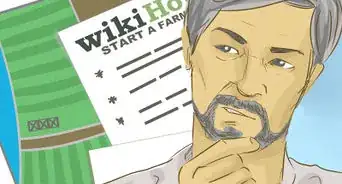
1Look for the temperature the seeds need to germinate. Basil, bell peppers, papaya and strawberries are examples of seeds that need humidity to sprout. Leafy greens like lettuce need constant moisture to sprout.
- For example, bell peppers only germinate at around 70 degrees.
-
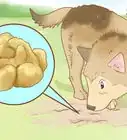
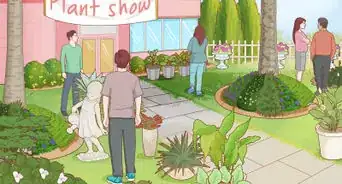
2See if the plant seeds are native to a humid place.
- Seeds like papaya are tropical and native to places such as Mexico and South America.
Advertisement -
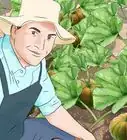
3Research the seeds prefers growing conditions.
- Some seeds, such as lettuce, need moist soil to germinate.
- Certain seeds require constant moisture for germination.
Advertisement


Part 2
Part 2 of 3:Creating the Perfect Environment
Part 2
-
1Use a container big enough to fit all the seeds.
-
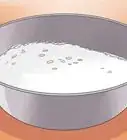
2Lay one to two paper towels in the bottom of the container. Pour in about 1 inch (2.5cm) of water, or until damp to the touch.
-
3Place the seeds on the paper towels in the containers.
- Make sure they are evenly spaced, to prevent crowding
- Make sure the seeds are not touching each other or overlapping
-
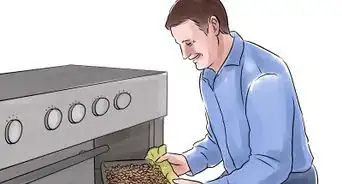
4Close the lid. Place the seeds in a constantly warm environment.
- Place a plug in heat pad under the container.
-
5Provide light almost 24/7. Place the container with seeds in an area that receives the most sunlight.
- Use a grow light to provide direct sunlight during the day, if the indoor area is too dark.
-
6Change the paper towels when it has a smell or brownish colors appear.
- Remember to add also add water when changing the paper towels.
- Only change the paper towels when no roots have sprouted.
Advertisement


Part 3
Part 3 of 3:Preparing For Transplanting
Part 3
-
1With the perfect humid environment provided, the seedlings should emerge after around 5 days. Wait for the second pair of leaves to appear before doing anything.
- Length of time for emergence will depend on the seed type; some seeds may take longer.
-
2Remove the lid once the third pair of leaves have emerged.
- If the seedlings look healthy, then keep the soil moist and the lid off to get the seedlings use to air without humidity.
- Leave the lid on if the seedlings fall over or show signs of unhappiness.
-
3Cut around the seedlings with their own part of the paper towel. This helps to safely transfer the seedlings without harming or damaging the roots. The paper towel will decompose with the soil naturally.Advertisement


About This Article
Advertisement