X
wikiHow is a “wiki,” similar to Wikipedia, which means that many of our articles are co-written by multiple authors. To create this article, 10 people, some anonymous, worked to edit and improve it over time.
This article has been viewed 3,163 times.
Learn more...
Whether you're bisexual, questioning, or just curious, you might want to meet bisexual people who can provide support and answers (and perhaps even a date). Here is how to find bisexual people.
Steps
Method 1
Method 1 of 2:Finding LGBT Spaces
Method 1
-
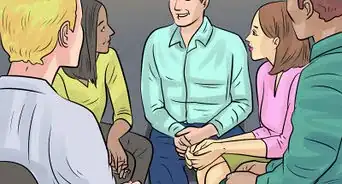
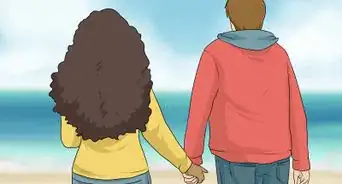
1Look for LGBT+ groups in your community. Bisexual people make up the B in LGBTQIA and may visit support groups, gay bars, pride events, human rights activist groups, and other things related to LGBT+ life.
- Consider groups that include allies, and groups that are for LGBT+ people only.
- Ask LGBT+ friends online and in person where they go.
-
2Look at everyone—not just the people like you. If you are white, don't limit yourself to circles consisting mainly of white people, and if you are able-bodied, don't assume that a disability club will consist only of straight or asexual people. Bisexual people are diverse and can look like anything or anyone.
-
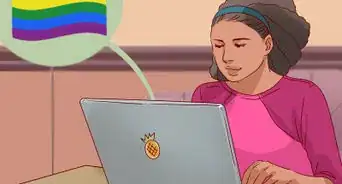
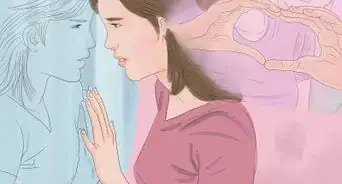
3Find spaces online. If your local area doesn't provide enough, try the internet. You might not be able to find a date, but at the minimum, you can talk with LGBTQIA people and receive support from a caring community.
- Tumblr is known for a strong LGBT+ community.


Method 2
Method 2 of 2:Guessing Whether Someone is Bi
Method 2
-
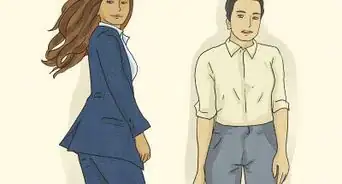
1Don't expect them to match a specific stereotype. You can't tell if someone is bisexual just by noticing their hairstyle, outfit, handwriting, et cetera. Bisexuality is not about appearance or a flick of the wrist; it is about attraction and sexuality.
- Bisexual people may be femme, androgynous, butch, manly, or of any gender presentation.
-
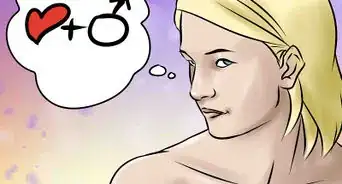
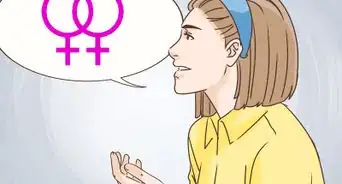
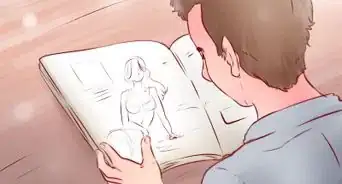
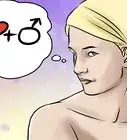
2Consider whom they show attraction towards. Monosexual or asexual people might occasionally notice an attractive or nice person of the gender they aren't attracted to, but it's not a big deal to them. Bisexual people will be in the habit of noticing people of all genders.
- They think various actors and actresses are hot (and may enthusiastically discuss this).
- They check out people of various gender presentations.
- When talking about a theoretical partner (e.g. "the ideal spouse"), they don't mention gender.
-
3Discreetly ask about their exes. If they have been dating and accepted themselves as bisexual for a while, then they have probably dated people of multiple genders.
- Instead of referring to ex-boyfriends or ex-girlfriends, they might simply refer to "exes."
-
4Try flirting (if you are interested in dating them). One way to tell if they might be interested is to put yourself out there a little and flirt with them. If they are available and interested, they will flirt back. Otherwise, they will keep a polite distance.
-
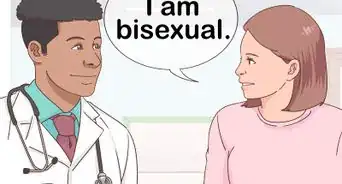
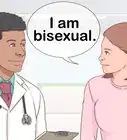
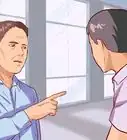
5Just ask. If you have an inkling, and the person seems open enough, take a deep breath and ask them if they're bisexual. Use a polite and open-minded tone to indicate you mean no harm, and don't pressure them to answer. If they are bi and feel comfortable talking about it, they will let you know.


Warnings
- Biphobia can exist even in LGBT+ spaces.Thanks!
- Don't push people to open up about their sexuality. Some people don't feel comfortable talking about it. If they act awkward or hesitant, smile reassuringly and change the subject.Thanks!
- Some people have a high sense of stranger danger. This is especially true of people who fear bigotry or are members of marginalized groups. Make sure the person feels comfortable around you before asking about their sexuality.Thanks!