This article was co-authored by wikiHow staff writer, Hannah Madden. Hannah Madden is a writer, editor, and artist currently living in Portland, Oregon. In 2018, she graduated from Portland State University with a B.S. in Environmental Studies. Hannah enjoys writing articles about conservation, sustainability, and eco-friendly products. When she isn’t writing, you can find Hannah working on hand embroidery projects and listening to music.
There are 12 references cited in this article, which can be found at the bottom of the page.
Learn more...
Whether you’re an Indian citizen or you’re planning to move to India, there are tons of ways to enjoy your retirement there. Picking where you’re going to live and what kind of services you’ll need can be overwhelming, so we’ve compiled some of the information you’ll need to plan your retirement. Keep reading to learn how you can enjoy the rest of your life in this beautiful country.
Steps
Method 1
Method 1 of 12:Plan to spend 45,500 Rs. per month.
-
1Experts recommend having at least this much each month for retirement. If you aren’t retired yet, try to save some of your income every month, and put it into a traditional IRA or a Roth IRA to earn money faster. You can also meet with a retirement planner to talk about your specific financial situation and how close you are to meeting your goals.[1]
- 45,500 Rs. is about $615.
- You should also plan for a 2% inflation every year that you’re alive. As you get older, things are probably going to get more expensive.
Advertisement

Method 2
Method 2 of 12:Register with a foreign affair’s officer if you’re not a citizen.
-
1If you’re moving from another country to India, do this first. When you enter the country, you’ll need to register yourself with a foreign affairs officer so you can live in India. You must do this within 14 days of your arrival, or you may be deported. Bring your passport and any form of identification with you to make this process go smoother.[2]
- If you are an NRI (non-resident Indian) and you plan to return to India, you can either sign up for a POI (Person of Indian Origin) or an OCI (Overseas Citizen of India). Once you’ve been back in India for 1 year, your Indian citizenship will be restored.[3]
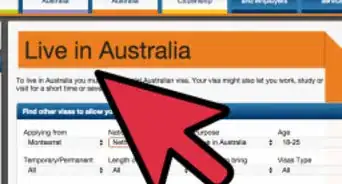
- If you are not a citizen, you’ll have to apply for a visa when you first enter the country. You can find a list of visas and how to get them by visiting https://passportindia.gov.in/AppOnlineProject/online/visaServices.

Method 3
Method 3 of 12:Take advantage of India’s pension plan.
-
1If you are an Indian citizen, you can get paid every month. If you’re over 60 years old, India’s pension plan pays 200 Rs. a month. If you’re over 80 years old, the pension plan pays 500 Rs. per month. Some states in India will also supplement that amount, paying you more per month so you can live off your pension.[4]
- If you are moving from the United States to India, you can collect social security benefits for 6 months after moving to India. After that, you won’t be eligible for social security payouts anymore.
Advertisement

Method 4
Method 4 of 12:Sign up for a senior citizen health plan.
-
1As you age, you’re probably going to need more medical care. If you’re 60 years or older, India recommends that you purchase a medical plan specifically for senior citizens, as some of their other plans don’t cover people over 65. Popular health plans for senior citizens include My Health Suraksha offered by HDFC Ergo General Insurance, Care Plan offered by Care Health Insurance, and Senior Citizen Red Carpet Policy offered by Star Health & Allied Insurance.[5]
- Even if you aren’t a citizen, you can still purchase health insurance in India.
- Most health plans cost a few hundred Rs. per month. The cost varies depending on your age and the amount of coverage you purchase.
- If you want to compare and contrast health plans, you can search for an Indian health plan calculator online.

Method 5
Method 5 of 12:Move to a retirement-friendly city.
-
1Pune, Coimbatore, Mumbai, and Bangalore are some of the best cities. These cities have some of the lowest cost of living while still being connected to infrastructure, like public transportation and health care. You might also try places like Chandigarh, Ahmedabad, or Kasauli.[6]
- Since India is so large, you can pick a city that best fits your needs. If you want a bustling city with lots of people, go for a larger city. If you prefer a quieter, more laid-back vibe, try a smaller town.
Advertisement

Method 6
Method 6 of 12:Pick somewhere where the weather is mild.
-
1India can get hot, which can put a lot of strain on your body. Many experts recommend looking for a city with mild weather that doesn’t fluctuate too much throughout the year. Try to avoid coastal areas that have extreme highs and extreme lows that make them hard to live in.[7]
- Pune, Mysore, Dehradun, and Bangalore have mild weather all year-round, ranging from 25 to 30 °C (77 to 86 °F).

Method 7
Method 7 of 12:Stay near a reputable hospital.
-
1As you age, you may need more medical care. When you’re picking a city to live in, try to pick one that has a well-established hospital with reputable doctors. It should include hospital access, pharmacy services, and emergency medical services. If you aren’t planning to drive in India, make sure there is public transportation you can take to get to your doctor’s office if you need to.[8]
- Check the online reviews for each hospital, and try to see what kind of equipment they have on-site.
- Make sure that the hospital you choose has ramps for wheelchairs and elevators, just in case you need them later on in life.
- India also has a lot of alternative medicine centers you can try out.
Advertisement

Method 8
Method 8 of 12:Purchase property through a local lawyer.
-
1If you plan on buying property, go through a reputable seller. Experts warn that you should always buy property from a local lawyer, not lawyers suggested by the seller of the property. And, unless you speak fluent Hindi, ask for all documents to be translated before signing anything.[9]
- The same goes for renting: if you’re going to sign a lease, make sure you know what it says before putting your signature down.

Method 9
Method 9 of 12:Check into a retirement home for extra help.
-
1They can provide laundry services, meals, and medication reminders. As you get older, you might find it harder and harder to live on your own (or just with your spouse). India offers a wide variety of retirement homes that you can stay in, although they vary greatly in cost. Retirement homes are usually slightly more expensive than rent is, so you may need to save more for retirement.[10]
- Living in a retirement home can cost anywhere from $14,000 (£9,333) and $150,000 (£100,000).
Advertisement

Method 10
Method 10 of 12:Go to popular tourist spots.
-
1India is a beautiful country with tons of places to visit. As you get settled in your retirement, make time to explore the natural beauty of the place you’re going to be living. You could visit the Ajanta Caves near Mumbai, the Bandipur National Park in the Western Ghat Mountains, the Amber Fort near Jaipur, or the Ancient Step Wells outside of Ahmedabad.[11]
- Don’t be afraid to take a few day trips, too! You can rent a car or hire a taxi to drive you places that are too far to walk.

Method 11
Method 11 of 12:Visit beaches and nature around your city.
-
1Many cities in India have beautiful nature areas. A lot of them are within walking distance, so you might not have to drive or catch a ride anywhere. You can plan to spend your days by taking nature walks or visiting the beach while you’re retired.[12]
- Try to find spots with paved walking paths so you can safely walk along the water’s edge or in nature.
Advertisement

Method 12
Method 12 of 12:Socialize at hostels and bars.
-
1In India, many people have a close-knit group of friends and family. If you want to meet new people and talk to others, traveling officials recommend hanging out in bars or near hostels in the big cities. Here, you can meet other people who are traveling or returning to India, and you might have an easier time talking to them than someone who has known the people around them for decades.[13]













References
- ↑ https://content.edelweissmf.com/investor-insights/mutual-fund-investment-tips-and-articles/how-much-to-save-for-early-retirement-in-india.html
- ↑ https://www.gov.uk/guidance/living-in-india#visas-and-residency
- ↑ https://sbnri.com/blog/retirement/moving-back-to-india-from-usa
- ↑ http://www.agediscrimination.info/news/2019/7/15/retirement-age-in-india
- ↑ https://www.insurancedekho.com/health-insurance/plans
- ↑ https://www.wisenri.com/best-places-to-retire-in-india/
- ↑ https://www.edenseniors.com/ultimate-guide-to-senior-living-in-india/
- ↑ https://www.edenseniors.com/ultimate-guide-to-senior-living-in-india/
- ↑ https://www.gov.uk/guidance/how-to-buy-property-in-india
- ↑ https://www.thehindu.com/society/why-indias-senior-citizens-are-opting-for-retirement-homes/article27209525.ece
- ↑ https://vacationidea.com/vacation-ideas/india-places-to-visit.html
- ↑ https://sbnri.com/blog/retirement/places-to-retire-in-india-for-nri
- ↑ https://www.india.com/travel/articles/10-best-places-to-make-friends-in-india-3234329/
About This Article