This article was co-authored by wikiHow staff writer, Jessica Gibson. Jessica Gibson is a Writer and Editor who's been with wikiHow since 2014. After completing a year of art studies at the Emily Carr University in Vancouver, she graduated from Columbia College with a BA in History. Jessica also completed an MA in History from The University of Oregon in 2013.
There are 10 references cited in this article, which can be found at the bottom of the page.
Learn more...
With so much focus on financially preparing for retirement, people often forget to plan for the emotional changes that come with it. Retirement can make you feel depressed, anxious, lonely, or adrift—but it doesn't have to! When you prepare for retirement, do your emotional homework, too. We'll walk you through the common emotional stages of retirement and ways you can look after yourself. After all, you deserve a happy and fulfilling retirement, so read on!
Steps
Method 1
Method 1 of 12:Get your finances in order to prevent stress.
-
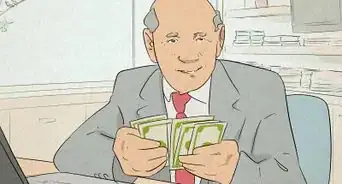
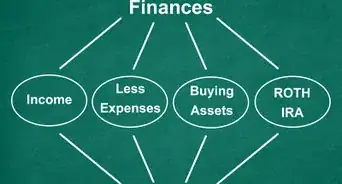
1Being financially secure means you won't be anxious about making ends meet. Track your spending before you retire and create a detailed spending plan for once you retire. Knowing that you have enough saved to live comfortably can reduce a lot of stress and anxiety.[1]
- Work with a financial advisor if you'd like a professional opinion about making a retirement budget. They can really put your mind at ease!

Method 2
Method 2 of 12:Redefine your sense of self if you fear a loss of identity.
-
1Accept who you are and the other roles you have in retirement. If you've always defined yourself by the job you do, retirement can make you feel like a completely different person. Instead of focusing on the loss, think about the new roles you can fulfill.[2]
- For instance, you might be a helpful partner, a loving aunt or uncle, or a good volunteer in your community.

Method 3
Method 3 of 12:Stay active if you worry about a sedentary lifestyle.
-
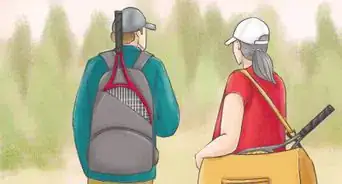
1Incorporate daily physical activity into your retirement schedule. Your job might have kept you in good physical shape if you had to move around a lot. You may fear that you won't be as active once you retire, but if you make a plan for movement, it will be second nature. You might walk or go for a jog every morning, work out at the gym every few days, or garden in the evenings, for instance.[3]
- If you don't think you'll stick with a physical routine, ask a friend to be a fitness buddy! You can hold yourself accountable to your fitness goals and socialize at the same time.

Method 4
Method 4 of 12:Focus on the positive if you're feeling pessimistic about retirement.
-
1Write in a gratitude journal to remind yourself of the good in your life. Retirement can bring on a rollercoaster of emotions and it can really help to ground yourself with a positive attitude. Talk with loved ones about your blessings, think of what you're thankful for when you meditate, or write down the things you're thankful for.[4]
- You'll gradually train your brain to look for the positive instead of dwelling on the negative or worrying.

Method 5
Method 5 of 12:Ease into retirement if you dislike abrupt change.
-
1Go part-time or cut back your hours to adjust to working less. It can be a massive shock to go from working a full-time job for decades to suddenly having free time. If you like the idea of working less, ask your employer if you can do a phased retirement over several years or switch to part-time until you feel comfortable retiring.[5]
- Cutting back hours is a great way to practice your retirement schedule and financial budgeting. Think of it as a dress rehearsal for actual retirement!

Method 6
Method 6 of 12:Make a plan for the free time you'll have.
-
1Sure, having absolutely no plans is great for a while. However, you may find that you miss structure or having a purpose. It can really help to set goals for yourself or come up with a loose schedule. For instance, you might include:[6]
- Taking classes
- Watching your grandkids
- Having coffee with friends
- Checking out local exhibits
- FaceTiming with distant family

Method 7
Method 7 of 12:Volunteer or work a few days a week.
-
1If you're missing the rhythm of a schedule and job, look for one! Many organizations hire part-time workers or volunteers who can put in a few hours a week and help out. This is a great option if you're struggling for a reason to get out of bed in the morning. In fact, studies have shown that retirees who transition out of the workforce enjoyed better mental and physical health than people who completely retired.[7]
- The great thing about a part-time job or volunteer opportunity in retirement is that you can be as choosy as you like. Only sign up if you really like the position, the organization, or the people you'll be spending time around.

Method 8
Method 8 of 12:Pick hobbies or skills that you'd like to learn.
-
1Learning new things can keep you active and engaged. It's also a great way to meet new people and keep retirement life interesting! You might join a chess club, sing in a choir, or take a fun art class, for instance.[8]
- Not sure where to start? Check your local community center—they often offer activities, lunches, or trips designed just for seniors.

Method 9
Method 9 of 12:Develop your support network.
-
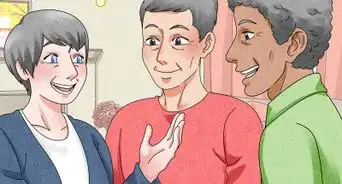
1Socialize with friends, family, and old colleagues to feel connected. Retirement can make you feel lonely, especially if you're used to interacting with a lot of people on a regular basis. Remind yourself that you now have time to meet up with people you care about. Make a point of calling or spending time with people every week so you feel supported.[9]
- If you have a partner, have serious discussions about how your retirement could change things around your home, especially if they continue to work. You may be more active around the home, for instance.

Method 10
Method 10 of 12:Keep up with technology so you can stay connected.
-
1Stay up to date with ways to communicate with loved ones. This is especially important if you've got distant friends and family that you may not see very often. If you know the easiest way to reach out to them, you'll be able to stay in touch.[10]
- Being technology-savvy can also be really useful if you'd like to take online courses or take virtual tours. It's becoming easier to explore the world from the comfort of your home—many museums and galleries offer virtual tours of popular exhibits.

Method 11
Method 11 of 12:Reflect on the positive things in your life.
-
1Take time every day to think of good things that happened. You could mentally run through a list or write them down in a journal at the end of the day. For example, you might reflect on positive encounters you had, good food you ate, or things that brought a smile to your face.[11]
- By doing this each day, you're training your brain to recognize the good.
- You could make this part of your evening ritual or meditation practice.

Method 12
Method 12 of 12:Reach out for professional help if you feel depressed.
-
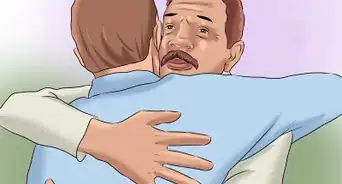
1If you've tried to prepare, but feel overwhelming sadness, talk to a therapist. While some feelings of loss are normal when you retire, don't hesitate to talk to a mental health professional, especially if your quality of life is taking a hit. Your primary care physician can refer you if you're unsure how to to get started.[12]
- Sometimes, just talking to a mental health professional can help you work through emotional challenges. In other cases, they may recommend starting you on anti-depressants.





References
- ↑ https://www.aag.com/articles/ways-to-get-your-house-in-financial-order/
- ↑ https://mensline.org.au/mens-mental-health/adjusting-to-retirement/
- ↑ https://www.irt.org.au/the-good-life/7-ways-to-stay-active-in-retirement/
- ↑ https://www.helpguide.org/articles/aging-issues/adjusting-to-retirement.htm
- ↑ https://www.newretirement.com/retirement/retirement-depression/
- ↑ https://www.mayoclinic.org/healthy-lifestyle/healthy-aging/in-depth/how-to-live-your-best-life-in-retirement/art-20390076
- ↑ https://www.apa.org/monitor/2014/01/retiring-minds
- ↑ https://files.eric.ed.gov/fulltext/EJ969555.pdf
- ↑ https://www.usf.edu/hr/documents/benefits/magellan/handout-4-22-21.pdf
About This Article