This article was co-authored by wikiHow staff writer, Hannah Madden. Hannah Madden is a writer, editor, and artist currently living in Portland, Oregon. In 2018, she graduated from Portland State University with a B.S. in Environmental Studies. Hannah enjoys writing articles about conservation, sustainability, and eco-friendly products. When she isn’t writing, you can find Hannah working on hand embroidery projects and listening to music.
Learn more...
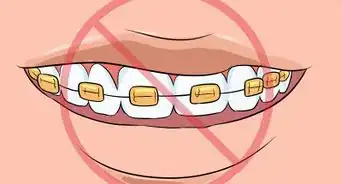
If your gums feel swollen, puffy, or tender, you probably have gingivitis. This mild form of gum disease is usually caused by a buildup of plaque on your teeth—and when you have braces, it’s very easy to get a buildup of plaque, even if you brush regularly. Fortunately, there are a few ways you can cure your gingivitis to keep your mouth clean and healthy for years to come.
Steps
Method 1
Method 1 of 7:Brush your teeth twice a day.
-
1Keep your teeth clean so your gums can heal. Make sure you brush your teeth every morning and night for at least 2 minutes at a time. If your dentist recommends it, you may even want to brush your teeth after every meal until your gingivitis goes away.[1]
- It’s important to scrub both above and below your braces when you brush your teeth.
Advertisement

Method 2
Method 2 of 7:Floss once a day.
-
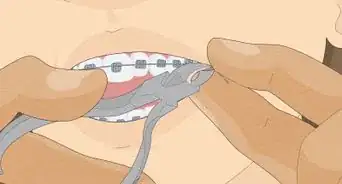
1Use floss to loosen food particles that might be stuck in your teeth. Thread the floss between the wire of your braces and your teeth, then gently move it back and forth. Pull the floss out from the wire, then move over to the next tooth.[2]
- Flossing with braces can be a little tough. Make it easier by using a floss threader or an interproximal brush.[3]
Method 3
Method 3 of 7:Use a Waterpik.
-
1Blast plaque out of your mouth with the help of a water stream. Buy a Waterpik and fill the base with water, then put the tip into your mouth. Turn the Waterpik on and aim it at your gum line, moving from tooth to tooth until you’ve covered your entire mouth.[4]
- Waterpiks generally range from $60 to $150.
Advertisement
Method 4
Method 4 of 7:Avoid eating sugary foods.
-
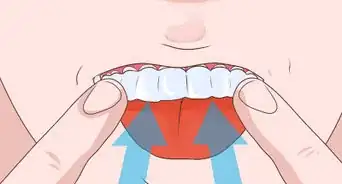
1Sweet, sticky foods can build up on your teeth. Try to stay away from anything that could get stuck in your mouth, and instead eat a balanced diet full of healthy foods. If you do eat sweets every now and then, try to brush your teeth as soon as possible.[5]
- Sticky, sugary foods aren’t great for braces in general, since they can mess up the brackets that are stuck to your teeth.

Method 5
Method 5 of 7:Drink water after meals.
-
1Rinse out your mouth so food doesn’t build up on your teeth. Try to have water during every meal to help wash the food down your throat. It might be helpful to take a water bottle with you to school or work so you have something to sip on throughout the day.[6]
- Sugary drinks, like soda and juice, can make gingivitis worse. Stick to water until your gingivitis clears up.
Advertisement
Method 6
Method 6 of 7:Try an antibacterial mouth rinse.
-
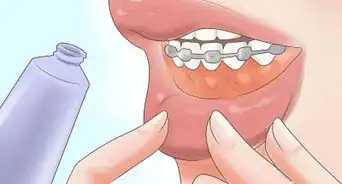
1Pick up a mouthwash to help kill germs on your teeth. Gargle and rinse with the mouth wash every night before you go to bed, but after you brush your teeth. This can help protect your gums from further irritation and heal them if they’re already swollen.[7]
- Look for mouthwashes with thymol, eucalyptol, methyl salicylate, and menthol in them.
Method 7
Method 7 of 7:Go to the dentist regularly.
-
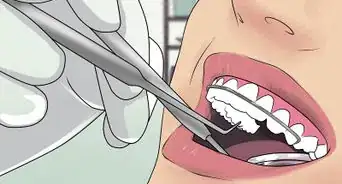
1Your dentist can give your teeth a deep clean. Most people need to see the dentist twice a year, but you might need to go more often if you’re dealing with gingivitis. Make sure you keep your appointments and tell your dentist about any irritation that you’re feeling in your gums.[8]
- Your orthodontist might also recommend that you go see a dentist more often.
Advertisement







References
- ↑ https://www.mayoclinic.org/diseases-conditions/gingivitis/symptoms-causes/syc-20354453
- ↑ https://www.mayoclinic.org/tests-procedures/braces/about/pac-20384607
- ↑ https://newsinhealth.nih.gov/2016/11/dont-toss-floss
- ↑ https://newsinhealth.nih.gov/2016/11/dont-toss-floss
- ↑ https://www.mouthhealthy.org/en/az-topics/b/braces
- ↑ https://chattanoogabraces.com/2017/06/23/20170623braces-and-gingivitis/
- ↑ https://chattanoogabraces.com/2017/06/23/20170623braces-and-gingivitis/
- ↑ https://www.mayoclinic.org/diseases-conditions/gingivitis/symptoms-causes/syc-20354453
About This Article

Medical Disclaimer
The content of this article is not intended to be a substitute for professional medical advice, examination, diagnosis, or treatment. You should always contact your doctor or other qualified healthcare professional before starting, changing, or stopping any kind of health treatment.