wikiHow is a “wiki,” similar to Wikipedia, which means that many of our articles are co-written by multiple authors. To create this article, volunteer authors worked to edit and improve it over time.
This article has been viewed 2,367 times.
Learn more...
Mycofiltration is a method used to filter contaminants out of water by using biodegradable materials. It consists of growing mushroom spawn and corn stubble to make a mixture that filters water. It has been used by many scientists and has been proven to be an effective and affordable method that anyone can do. Not only does this method help filter water pollution, but it also combats the environmental problem of crop stubble burning. In this article, steps will be laid out on how to make a mycofiltration system.
Steps
Part 1
Part 1 of 4:Collecting the Materials
-
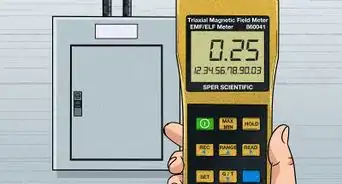
1Purchase materials to grow mushrooms. To prepare the mushrooms, you will need to buy a bag of mushroom spawn (can be found on Amazon), a syringe of mushroom culture (also can be found online), a water testing kit, any type of stubble (can be rice, corn, etc.), and a lighter.
-
2Obtain materials for the filter. You will also need a burlap sack, bucket, and one liter of unfiltered water for preparing the filtration system. The water can be obtained from a tap.Advertisement


Part 2
Part 2 of 4:Making Mushrooms
-
1Clean your workspace thoroughly to ensure no bacteria gets into the mushroom spawn bag.
-
2Prepare the syringe. Connect the needle to the syringe filled with culture. Using a lighter, graze the tip of the needle with a flame until it is red.
-
3Open up the bag of spawn. Using scissors, cut open the bag of spawn, cutting above the white square filter. Pinch the sides of the bag to open it up. Make sure you do not touch the inside of the bag.
-
4Insert 2 CC of the mushroom cultures into the bag of spawn. Insert it everywhere and not just in one place.
-
5Close the bag by pinching it and folding it over the opening. Use tape to seal the top, and be sure to fully close any openings in the bag. Shake the bag of spawn so the culture gets everywhere in the bag.
-
6Place the bag of spawn in a dark area. The temperature should be around 75 degrees Fahrenheit or 23 degrees Celsius. Some places you could place it are:
- A closet
- A cupboard
- Any room which doesn't have sunlight and is warm
-
7Wait two weeks for the spawn to grow. Keep track of growth every day, either by taking a video or recording observations in a notebook. You will know they have fully grown when the bag of spawn turns white and the contents look fuzzy. [1]Advertisement


Part 3
Part 3 of 4:Growing With Crop Stubble
-
1Soak the crop stubble. Once the spawn has turned white and fuzzy, it is time to prepare to transfer it in the burlap sack with the crop stubble in it. Soak the crop stubble in clean, warm, tap water.
-
2Submerge the stubble with a heavyweight for 4-7 days until it's fermented. Watch for a thin film on the water’s surface; this means that the fermentation process has begun.
-
3Drain the straw. Once the thin film has developed, drain the straw. Layer the wet straw and spawn into the burlap sack. For every pound of mushroom, you need 13 pounds of stubble.
-
4Press the spawn and straw into the bag. Make sure to wear gloves during this step!
-
5Place the bag with the straw and spawn in a bucket. Place it in a room that is 60-75 degrees Fahrenheit (15-23 degrees Celsius).
-
6Tarp the area with plastic and leave it loose so the bag can breathe.
-
7Check the spawn periodically for any signs of growth. The spawn should be ready in 30 days and it should be fully myceliated. [2]Advertisement


Part 4
Part 4 of 4:Water Treatment
-
1Test the water. Get the one liter of dirty water obtained in step 1 and use a water testing kit to test the water.
-
2Pour the water through the burlap sack containing the crop stubble and mushroom mixture. Wait for all of the water to be drained into the bucket.
-
3Take a sample of the water in the bucket and test it again to see the changes in the quality of water.Advertisement