This article was co-authored by Eric Christensen, DPT. Eric Christensen is a Physical Therapist based in Chandler, Arizona. With over a decade of experience, Eric works in both orthopedic and neurological fields and specializes in custom orthotic prescription and casting, vestibular reprogramming, and manual therapy. He holds a Bachelor’s degree in Exercise Science with a focus in Sports Medicine from Colorado State University and a Doctor of Physical Therapy from Regis University. In practice, Eric takes a developmental approach to rehabilitation utilizing the Selective Functional Movement Assessment. He uses functional movement patterning and manual therapy to return patients to prior levels of function.
There are 9 references cited in this article, which can be found at the bottom of the page.
This article has been viewed 1,090,376 times.
Though cracking your back can provide relief, it can also cause serious injuries. In fact, if you don't follow the proper safety precautions, it can actually make back pain worse or cause further trauma. This article provides information on how to crack someone’s back safely, including how to use proper chiropractic techniques and when to stop and leave the job to a professional chiropractor or doctor. If a friend has asked you to crack their back for them, use these guidelines to ensure a safe, helpful experience!
Steps
Method 1
Method 1 of 11:Apply gentle pressure.
-
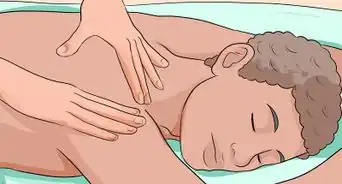
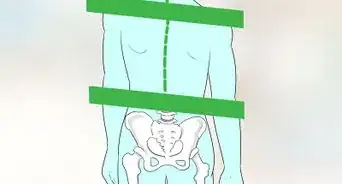
1Approach cracking someone's back like a massage. Professional chiropractors apply gentle pressure with their hands on the upper back, lower back, and buttocks. Mimic the professionals by only pushing gently onto the back and buttocks during the process, and make sure the person you are helping is comfortable the whole time. [1]
- Though the methods in this article are based on chiropractic practices and are safe to perform, it's always best to see a professional. If the person you are helping has severe back pain, encourage them to see a doctor or chiropractor instead.
Advertisement

Method 2
Method 2 of 11:Start with the person lying on their stomach.
-
1Find a gentle surface for the person to lay down on. A professional chiropractor has patients lie on a chiropractic table to provide the most comfort. Mimic that as best you can with something like a bed, table, or clean part of the floor.[2]

Method 3
Method 3 of 11:Push on the person’s back and buttocks.
-
1Gently press down on the person’s buttocks with one hand. Using your other hand, press down on the person’s upper back. Make a series of gentle pressing motions for a few seconds to start.[3]
- Ask the person you are helping how this feels to them. If the pressure causes them pain or discomfort, do not proceed!
Advertisement

Method 4
Method 4 of 11:Press on the back while raising and lowering their legs.
-
1Have the person lift both of their legs up slightly. A chiropractor is able to lift the bottom half of their table up and down for this motion. Mimic that by asking the person to lift both legs up and down slightly at the same time.[4] As they do so, press your hands gently on their lower back.
- Have the person move their legs in a gentle, rocking motion.

Method 5
Method 5 of 11:Press on the upper back.
-
1Apply gentle pressure with the bottom of your hands. Keep pressing until the person feels relief. As you do this, encourage the person to take deep breaths in and out.[5]
- Keep in mind, you may not always hear the traditional popping or cracking sound. Nevertheless, the person may feel relief from the rocking and pressing alone.
Advertisement

Method 6
Method 6 of 11:Try a partner stretch.
-
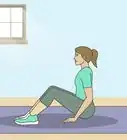
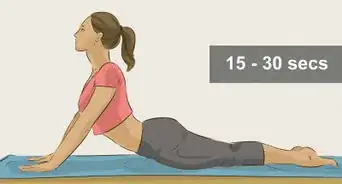
1A partner stretch is a great way to relieve back pain. Start by sitting on the floor facing each other. Stretch your legs out in a V and plant your feet against your partner's, keeping your toes pointed at the ceiling. Grip each others' hands firmly, then slowly lean backward while your partner leans forward. Be sure to keep your arms extended in front of you while you do this. Hold the stretch for about 30 seconds, then relax.[6]
- This exercise may crack your partner's back, but even if it doesn't, they may get some relief just by stretching through their whole range of motion.[7]

Method 7
Method 7 of 11:Talk to the person throughout the process.
-
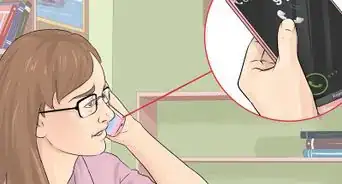
1Keep a dialogue going to make sure the person is comfortable. Instruct them to tell you to stop immediately if they feel pain and ask how they are feeling throughout the process.[8]
- If they express pain or discomfort, stop immediately! Continuing to crack someone’s back after they have experienced pain can cause injury.
Advertisement

Method 8
Method 8 of 11:Take safety precautions.
-
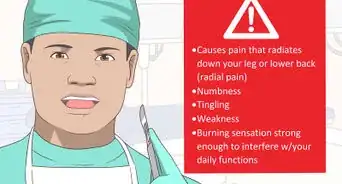
1Never help someone crack their back if they claim to be in severe pain. Cracking someone's back if they're in intense pain can result in serious complications. Severe back pain should only be treated by a medical professional.[9]
- If a part of the person's back is particularly sensitive and they feel they must protect it from pressure during the process, you should not be cracking their back.[10]

Method 9
Method 9 of 11:Never use bear hugs or methods involving lifting.
-
1These can cause serious injury. Even if your friend asks you to, don't walk on their back or try to crack their back by hugging or lifting them. If you use the wrong amount of pressure, you can cause a serious back injury that will require medical treatment, like a herniated disk, stroke, or compression of the nerves in the lower spinal column.[11]
- If the person you are helping starts to brace themselves or hold their breath, stop immediately.[12]
Advertisement

Method 10
Method 10 of 11:Seek medical attention if they need to crack their back often.
-
1A constant need to crack your back is a sign of an underlying medical problem. This person may have a condition related to the muscles or the bones in the back. While back cracking can temporarily relieve pain, it will not help address the bigger cause of back pain.[13]

Method 11
Method 11 of 11:Make lifestyle changes to prevent future back pain.
-
1Eat a healthy diet, stretch regularly, and lose excess weight. Each of these methods can help relieve or prevent future back pain, and work great in combination with occasional back cracking.[14]
- Eating a healthy, well-balanced diet improves your bone and muscle health. Eat whole foods, plentiful amounts of fruits and vegetables, and avoid processed, high-calorie treats with low nutritional value like french fries, ice cream, and soda.
- Stretching and exercising regularly improves the range of motion in your joints and keeps your muscles in healthy condition.
- Losing weight helps you avoid back pain, as excess weight strains your lower back.
- Quitting smoking improves your overall muscle health, as nicotine disrupts the blood flow to your muscles.
Advertisement

Expert Q&A
-
QuestionIs it safe to crack someone's back?
 Eric Christensen, DPTEric Christensen is a Physical Therapist based in Chandler, Arizona. With over a decade of experience, Eric works in both orthopedic and neurological fields and specializes in custom orthotic prescription and casting, vestibular reprogramming, and manual therapy. He holds a Bachelor’s degree in Exercise Science with a focus in Sports Medicine from Colorado State University and a Doctor of Physical Therapy from Regis University. In practice, Eric takes a developmental approach to rehabilitation utilizing the Selective Functional Movement Assessment. He uses functional movement patterning and manual therapy to return patients to prior levels of function.
Physical TherapistYes, as long as you're careful. To be safe, work the person's soft tissue instead of leaning on their spine. If the other person is in pain or is bracing themselves for potential pain, stop whatever you're doing.
References
- ↑ https://www.mayoclinic.org/tests-procedures/chiropractic-adjustment/basics/risks/prc-20013239
- ↑ https://www.mayoclinic.org/tests-procedures/chiropractic-adjustment/about/pac-20393513
- ↑ Eric Christensen, DPT. Physical Therapist. Expert Interview. 29 April 2021.
- ↑ https://youtu.be/fJwyWho2pYE?t=37
- ↑ https://youtu.be/fJwyWho2pYE?t=47
- ↑ https://experiencelife.lifetime.life/article/partner-stretching/
- ↑ https://www.self.com/story/what-happens-when-you-crack-your-back
- ↑ https://www.spine-health.com/video/your-first-chiropractic-adjustment-what-expect-video?jwsource=cl
- ↑ https://my.clevelandclinic.org/health/articles/back-strains-and-sprains
- ↑ Eric Christensen, DPT. Physical Therapist. Expert Interview. 29 April 2021.
- ↑ https://www.mayoclinic.org/tests-procedures/chiropractic-adjustment/about/pac-20393513
- ↑ Eric Christensen, DPT. Physical Therapist. Expert Interview. 29 April 2021.
- ↑ https://www.mayoclinic.org/tests-procedures/chiropractic-adjustment/about/pac-20393513
- ↑ https://my.clevelandclinic.org/health/articles/back-strains-and-sprains
About This Article

Medical Disclaimer
The content of this article is not intended to be a substitute for professional medical advice, examination, diagnosis, or treatment. You should always contact your doctor or other qualified healthcare professional before starting, changing, or stopping any kind of health treatment.
To crack someone else’s back, start by having them lie on a flat surface, like a bed, sofa, or table. Once they’re comfortable, place one hand on their buttocks and the other on their upper back and gently push down a few times to loosen them up. Then, move your hand to their lower back, tuck your other hand just under their pelvis, and gently press down on their back while lifting their pelvis slightly. After working their pelvic bones, have the person slowly lift both their legs up and down, which will help their back to crack. Finally, press down on their lower back until they feel relief. Keep in mind, you might not hear a popping or cracking sound when their back cracks. For more tips, including how to prevent back pain in the future, read on!