This article was co-authored by Rebecca Tenzer, MAT, MA, LCSW, CCTP, CGCS, CCATP, CCFP and by wikiHow staff writer, Hannah Madden. Rebecca Tenzer is the owner and head clinician at Astute Counseling Services, a private counseling practice in Chicago, Illinois. With over 18 years of clinical and educational experience in the field of mental health, Rebecca specializes in the treatment of depression, anxiety, panic, trauma, grief, interpersonal relationships using a combination of Cognitive Behavioral therapy, Psychodynamic therapy, and other evidence-based practices. Rebecca holds a Bachelor of Arts (BA) in Sociology and Anthropology from DePauw University, a Master in Teaching (MAT) from Dominican University, and a Master of Social Work (MSW) from the University of Chicago. Rebecca has served as a member of the AmeriCorps and is also a Professor of Psychology at the collegiate level. Rebecca is trained as a Cognitive Behavioral Therapist (CBT), a Certified Clinical Trauma Professional (CCTP), a Certified Grief Counseling Specialist (CGCS), a Clinical Anxiety Treatment Professional (CCATP), and a Certified Compassion Fatigue Professional (CCFP). Rebecca is also a member of the Cognitive Behavioral Therapy Society of America and The National Association of Social Workers.
There are 9 references cited in this article, which can be found at the bottom of the page.
If you menstruate, you’ve probably experienced the symptoms of premenstrual syndrome (PMS) before. Bloating, cramping, fatigue, and mood swings are all common, but for some people, those symptoms are accompanied by depression. Experiencing depression for a few weeks out of the month can really disrupt your daily routine, and it can be tough to figure out how to deal with it on top of everything else. We’ve compiled a list of ways you can cope with PMS depression and change your life for the better.
Steps
Method 1
Method 1 of 10:Eat a high-protein, low-carb diet.
-
1Studies show it may help increase your serotonin levels. As you deal with PMS depression, stay away from sugary, processed foods, and gravitate more toward protein-filled meals. Good sources of protein include chicken, tofu, beef, beans and legumes, peanuts, and cashews, so try to incorporate those into your daily diet.[1]
- The studies done on this diet are only preliminary, so they aren’t 100% conclusive. However, it can’t hurt to try eating a high-protein diet to see if it works for you.

Method 2
Method 2 of 10:Have 6 small meals per day.
-
1Keep your blood sugar levels stable throughout the day. Instead of 3 larger meals, try eating 6 small meals to keep you full and satiated. When your blood sugar levels are stable, your moods are more stable, which can help treat PMS depression.[2]
- Keeping your blood sugar stable may also help with other PMS symptoms like fatigue.

Method 3
Method 3 of 10:Take vitamin supplements.
-
1Calcium, magnesium, and vitamin E may be able to help. While the studies on these vitamins aren’t entirely comprehensive, they do show that taking a multivitamin every day can help relieve the physical and emotional symptoms of PMS. If you’re thinking about taking a supplement, talk to your doctor first to make sure it won’t interfere with your diet or any other medication.[3]
- One study in particular shows that taking 1,200 mg of calcium per day can help stabilize your moods and alleviate the emotional symptoms of PMS.

Method 4
Method 4 of 10:Try hormonal birth control.
-
1Birth control can help regulate PMS symptoms across the board. If you’ve been having issues with PMS depression for a while, talk to your doctor about starting birth control. Keep in mind that some forms of birth control can actually make PMS symptoms worse, so it may take some trial and error to figure out what works for you.[4]
- Birth control containing drospirenone and ethinyl estradiol may be more effective against PMS depression than other types.[5]

Method 5
Method 5 of 10:Use self-care to reduce stress.
-
1Lowering your stress levels can improve your mood. If you’re feeling depressed or anxious, try taking a bubble bath, relaxing with a good book, or listening to music.[6] The more you can keep your baseline stress levels down, the easier it will get to deal with PMS depression.[7]
- Self-care is all about doing something nice for yourself that makes you feel good. You might have to try out a few different things until you find out what works for you.

Method 6
Method 6 of 10:Relax with yoga or meditation.
-
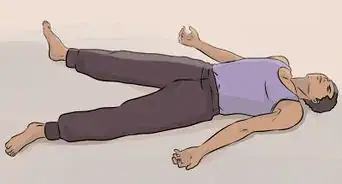
1Calm your body and your mind at the same time. When you notice the effects of PMS starting to come on, take a few minutes to empty your mind with meditation or soothing yoga. It can help lower your stress levels and reduce mood swings over time.[8]
- If you’re having trouble meditating, try looking up a guided meditation video. It might take some practice, but you can get the hang of it.

Method 7
Method 7 of 10:Exercise regularly.
-
1Studies show it can help regulate your mood. Exercise also helps alleviate the other symptoms of PMS, like difficulty concentrating and fatigue. Aim for around 30 minutes of moderate exercise per day, like running, swimming, biking, jogging, or weight training.[9]
- When you’re dealing with PMS, exercising might sound like the last thing you want to do. If you’re too tired or in pain, don’t push yourself.

Method 8
Method 8 of 10:Get at least 8 hours of sleep.
-
1Lack of sleep can make your depression worse. When you’re dealing with PMS depression, aim for 7 to 9 hours of sleep every night.[10] Maintain good sleep hygiene by turning off your electronics 30 minutes before you go to sleep and keeping your bedroom cool, dark, and quiet.[11]
- If you’re dealing with physical symptoms of PMS like cramping or bloating, take a pain reliever before you go to bed to help ease you into sleep.

Method 9
Method 9 of 10:Avoid caffeine and alcohol.
-
1They can up your anxiety and make your mood swings worse. Focus on staying hydrated and drinking plenty of water, and stay away from coffee or sugary sodas. If you want a warm drink in the mornings, go for herbal tea.[12]
- Staying away from caffeine and alcohol can make you feel better in general, not just when you’re dealing with PMS.

Method 10
Method 10 of 10:Try antidepressants.
-
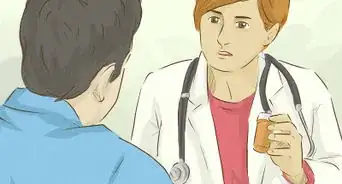
1SSRIs can help treat PMS depression. Selective serotonin reuptake inhibitors help treat the chemical cause of depression in your brain to stabilize your moods. You can talk to your doctor about starting SSRIs to deal with PMS depression and figure out if it’s right for you.[13]
- SSRIs have side effects, and it may take some trial and error to find the right medication and dosage for you.
- If you deal with anxiety, you can also talk to your doctor about anti-anxiety medication.








References
- ↑ https://www.health.harvard.edu/womens-health/treating-premenstrual-dysphoric-disorder
- ↑ https://www.acog.org/womens-health/faqs/premenstrual-syndrome?utm_source=redirect&utm_medium=web&utm_campaign=otn
- ↑ https://www.acog.org/womens-health/faqs/premenstrual-syndrome?utm_source=redirect&utm_medium=web&utm_campaign=otn
- ↑ https://www.mind.org.uk/information-support/types-of-mental-health-problems/premenstrual-dysphoric-disorder-pmdd/about-pmdd/
- ↑ https://www.womenshealth.gov/menstrual-cycle/premenstrual-syndrome/premenstrual-dysphoric-disorder-pmdd
- ↑ Rebecca Tenzer, MAT, MA, LCSW, CCTP, CGCS, CCATP, CCFP. Clinical Therapist & Adjunct Professor. Expert Interview. 19 August 2020.
- ↑ https://www.nhs.uk/conditions/pre-menstrual-syndrome/
- ↑ https://kidshealth.org/en/teens/menstrual-problems.html
- ↑ https://www.womenshealth.gov/menstrual-cycle/premenstrual-syndrome
- ↑ Rebecca Tenzer, MAT, MA, LCSW, CCTP, CGCS, CCATP, CCFP. Clinical Therapist & Adjunct Professor. Expert Interview. 19 August 2020.
- ↑ https://www.womenshealth.gov/menstrual-cycle/premenstrual-syndrome
- ↑ https://www.acog.org/womens-health/faqs/premenstrual-syndrome?utm_source=redirect&utm_medium=web&utm_campaign=otn
- ↑ https://www.ncbi.nlm.nih.gov/pmc/articles/PMC3181677/
About This Article

Medical Disclaimer
The content of this article is not intended to be a substitute for professional medical advice, examination, diagnosis, or treatment. You should always contact your doctor or other qualified healthcare professional before starting, changing, or stopping any kind of health treatment.