This article was co-authored by wikiHow Staff. Our trained team of editors and researchers validate articles for accuracy and comprehensiveness. wikiHow's Content Management Team carefully monitors the work from our editorial staff to ensure that each article is backed by trusted research and meets our high quality standards.
The wikiHow Video Team also followed the article's instructions and verified that they work.
This article has been viewed 496,516 times.
Learn more...
Artichokes are absolutely delicious, but you may be wondering just how in the world you cook them. With their tough, spiky leaves, they can seem like an intimidating vegetable to prepare. But they’re actually really easy! The key is to choose fresh artichokes and properly prepare them. After that, cooking is easy. To help you out, we’ve put together a handy list of things you can do to make cooking your artichokes a breeze.
Steps
Method 1
Method 1 of 11:Choose the freshest artichokes.
-
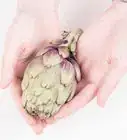
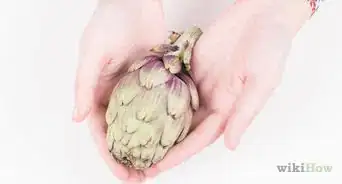
1Look for heavy artichokes with closed leaves that “squeak.” Look for healthy, green artichokes and pick them up to inspect them. Artichokes that are nice and weighty and don’t feel hollow are ideal and the freshest. As an artichoke gets older, the leaves start to open up, so you want one with leaves still tightly bound. Pick up an artichoke and hold it near your ear. Give it a gentle squeeze and listen for a tiny squeaking sound. It’s a simple way to tell if they’re fresh and ready to cook.[1]
- A little bit of purple or dark coloring is totally normal.
- If an artichoke looks like it’s been burned by frost, it’s okay. In fact, they taste even better!
- You also don’t want an artichoke that is sealed shut. It may not be ripe and ready to eat. The leaves should be loose enough for you to spread them with your fingers.

Method 2
Method 2 of 11:Cut off the stem and 1 inch (2.5 cm) from the top.
-
1Trim down the artichokes to make them easier to cook. Take a sharp kitchen knife and slice off the stem from the bottom so the base of the artichoke is flat. Then, cut off the tips of the leaves from the top of the artichokes to remove them and create an even surface.[2]
- The stem isn’t edible and cutting off the tops of the leaves helps the artichokes cook evenly.

Method 3
Method 3 of 11:Trim off about 1⁄3 inch (0.85 cm) from the perimeter leaves.
-
1The tips of the outer leaves are tough and inedible. They also sit lower than the rest and are tougher to trim when you cut off the tops of the leaves. Take a pair of kitchen shears and trim off the ends of all of the perimeter leaves so they match the leaves at the top of the artichokes.[3]
Method 4
Method 4 of 11:Rinse the artichokes and gently separate the leaves.
-
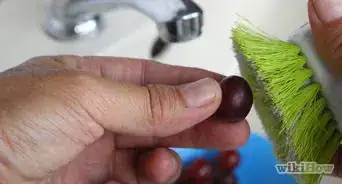
1Use your fingers to help remove any dirt in between the leaves. It’s super easy for dirt to get lodged in the space between the leaves of the artichokes. Hold an artichoke under a cold tap and gently separate the leaves with your fingers to allow the water to flush out dust and dirt.[4]

Method 5
Method 5 of 11:Boil artichokes for 20-40 minutes for a simple option.
-
1Place the artichokes in a pot of water and bring it to a boil. Once the water starts to boil, turn down the heat to keep it at a simmer. Keep an eye on the water as the artichoke cooks and make any necessary temperature adjustments so the water doesn’t return to a full, rolling boil.[5]
- The idea is to gently boil the artichoke. A hard, rolling boil could overcook parts of the artichoke and turn it mushy.

Method 6
Method 6 of 11:Steam them for 25-35 minutes as an alternative to boiling.
-
1Add 2–3 inches (5.1–7.6 cm) of water to a pot and use a steaming basket. Place your artichokes on top of the steaming basket and bring the water to a boil. Once it starts to boil, turn it down to a simmer and cover the pot to allow the steam to cook the artichoke.[6]
- Try not to open the lid too much so the steam doesn’t escape.

Method 7
Method 7 of 11:Grill the artichokes to add a nice charbroiled flavor.
-
1Cut them in half and start with the flat side up. Boil (or steam) the artichokes first. Then, simply cut them in half and place them on a hot grill for about 4 minutes. Flip them to cook the other side. Then, you can eat them by pulling off the leaves and enjoying the fleshy, white part at the base.[7]
Method 8
Method 8 of 11:Roast the artichokes for savory deliciousness.
-
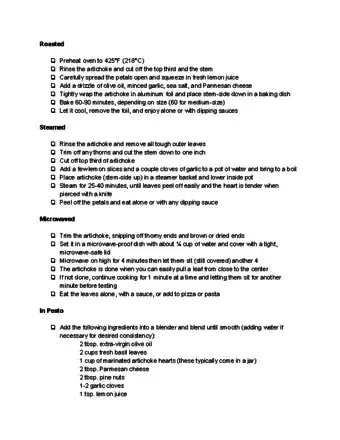
1Bake the artichokes for 70-80 minutes at 425 °F (218 °C). Preheat your oven first and gently separate the leaves of the artichokes to loosen them. Drizzle the artichokes with lemon juice and olive oil and season them with salt and black pepper. Wrap the artichokes tightly in aluminum foil, place them in an oven-safe baking dish, and stick them in the oven until they’re done.[8]
Method 9
Method 9 of 11:Microwave the artichokes if you’re in a hurry.
-
1Place them in a casserole dish and microwave them for 7-10 minutes. Choose a microwave-safe casserole dish and add about 1⁄2 cup (120 mL) of water into the dish with the artichokes. Cover the artichokes with vented plastic wrap or the lid of the dish. Cook them on high for 7-10 minutes and then stick a toothpick into the bottom of the artichoke to see if it’s done. It should pierce easily.
- If they aren’t done cooking, microwave them for another minute and then test them again.
- You can also add 1⁄2 teaspoon (2.5 mL) of lemon juice and olive oil to the dish if you want to add more flavor.

Method 10
Method 10 of 11:Pull off the leaves and eat the white fleshy end.
-
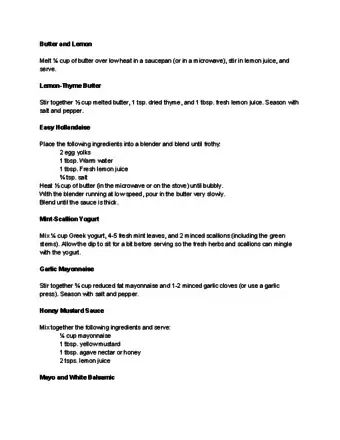
1Dip them in a sauce or enjoy them simply with butter. If you’re ready to eat the artichoke, simply pull off an outer leaf! Bite down on the small, white fleshy part at the base of the leaf. You can also dip it into a savory sauce like a vinaigrette or some garlic butter. As you work your way through the artichoke, the leaves will become more and more tender.[9]
Method 11
Method 11 of 11:Scrape out the choke and cut the heart into sections.
-
1Remove the hairy bristles and enjoy the meaty core of the artichokes. Eventually, you’ll reach the center of the artichoke, which is known as the “choke.” Use something like a spoon or butter knife to scrape out the hairy center of the choke so you’re left with the heart. Cut the heart into sections and enjoy![10]
Artichoke Recipes
Community Q&A
Did you know you can get answers researched by wikiHow Staff?
Unlock staff-researched answers by supporting wikiHow
-
QuestionWhy do artichokes make drinks taste sweet?
 wikiHow Staff EditorThis answer was written by one of our trained team of researchers who validated it for accuracy and comprehensiveness.
Staff AnswerwikiHow Staff EditorStaff AnswerArtichokes contain, among others, the compounds potassium salts of chlorogenic acids and cynarin, which are believed to contribute to this effect. Cynarin has been shown by scientific studies to have a perceived effect on drinks such as water equivalent to adding 2 teaspoons of sugar to 170ml of water. While this effect doesn't affect all people, a large amount of people can detect the sweetening effect after consuming artichokes. Likely it's a combination of both genetic responsiveness to the compounds and interaction of the just the right amount and types of compounds in the artichokes!
Support wikiHow by unlocking this staff-researched answer.
-
QuestionWhat does artichoke taste like?wikiHow Staff EditorThis answer was written by one of our trained team of researchers who validated it for accuracy and comprehensiveness.
Staff AnswerwikiHow Staff EditorStaff AnswerThe main response people give when asked what artichoke tastes like is that it has a "nutty" flavor. There is a mild sweetness present in artichokes that makes them a pleasant vegetable to eat. Some people compare the flavor to asparagus or broccoli, only much milder.Support wikiHow by unlocking this staff-researched answer.
-
QuestionCan you grow your own artichokes at home?wikiHow Staff EditorThis answer was written by one of our trained team of researchers who validated it for accuracy and comprehensiveness.
Staff AnswerwikiHow Staff EditorStaff AnswerYes, this is absolutely doable at home! If you live where the climate gets cold over winter, you'll need to grow them as annuals but it's possible to grow artichokes as perennials (long-term) if your winter climate is mild or warm. For helpful step-by-step tips, check out the wikiHow: How to Grow Artichokes. Growing them at home will let you have the freshest produce for home cooking.Support wikiHow by unlocking this staff-researched answer.
-
QuestionHow do you store artichokes?wikiHow Staff EditorThis answer was written by one of our trained team of researchers who validated it for accuracy and comprehensiveness.
Staff AnswerwikiHow Staff EditorStaff AnswerArtichokes should be stored in the refrigerator to keep them fresh. Sprinkle the stem with a little water, then store them loose in the vegetable drawer of the fridge for 5 to 7 days. Avoid putting them into a plastic bag because this will increase the moisture content and can cause them to rot quickly. If you do want to use a plastic bag, choose a special vegetable storage bag that has lots of perforations in it, to allow moisture to escape. Artichokes can also be frozen but only after cooking first. For more help with selection and storage of artichokes, check out the wikiHow: How to Select and Store Artichokes.Support wikiHow by unlocking this staff-researched answer.
-
QuestionWhat do you dip the artichoke tips in?
 Community AnswerMelted butter, creamy Caesar, and mayonnaise are a few things.
 -
QuestionHow do I know when the artichokes are finished cooking?Community AnswerWhen you have boiled the artichoke for the specified time, look for the largest of the internal leaves which has separated from the bud of the flower. Pull on it, and if it separates easily, the heart of the artichoke is cooked.
-
QuestionWhat is the easiest and tastiest way to cook artichokes?Community AnswerI like to steam mine. I put lemon juice and salt in the water and cover them. I let it steam on low heat for about 90 minutes, and serve it with melted butter. When I am energetic, I also like to stuff them with bread crumbs and Italian sausage.
-
QuestionWhy is choke inedible?
 Community AnswerIt's prickly and indigestible. If you do eat the choke, you could have stomach pains.
 -
QuestionDo I cover the pot when steaming?
 Community AnswerYes. I let mine steam on low heat with some lemon juice and salt in the water for about 1 1/2 hours.
 -
QuestionWhat is the best way to eat artichokes?
 Drew Hawkins1Community AnswerThe simplest way is to pull off the leaves and eat the white fleshy end. In fact, other than the heart of the artichoke, the fleshy ends of the leaves are the only edible part of the plant. Bite down on the small, white fleshy part at the base of the leaf. You can also dip it into a savory sauce like a vinaigrette or some garlic butter. As you work your way through the artichoke, the leaves will become more and more tender. Once you get down to the center, you can scrape out the hairy choke, cut up the heart, and enjoy that as well.
Warnings
- The tough, fibrous parts of the artichoke’s leaves and the choke aren’t edible and could be a choking hazard for young children.[11]Thanks!

References
- ↑ https://www.simplyrecipes.com/recipes/how_to_cook_and_eat_an_artichoke/
- ↑ https://www.thekitchn.com/how-to-cook-artichokes-22943703
- ↑ https://www.thekitchn.com/how-to-cook-artichokes-22943703
- ↑ https://www.thekitchn.com/how-to-cook-artichokes-22943703
- ↑ https://www.bhg.com/recipes/how-to/cook-with-fruits-and-vegetables/how-to-cook-artichokes/
- ↑ https://www.simplyrecipes.com/recipes/how_to_cook_and_eat_an_artichoke/
- ↑ https://www.bhg.com/recipes/how-to/cook-with-fruits-and-vegetables/how-to-cook-artichokes/
- ↑ https://www.bhg.com/recipes/how-to/cook-with-fruits-and-vegetables/how-to-cook-artichokes/
- ↑ https://www.simplyrecipes.com/recipes/how_to_cook_and_eat_an_artichoke/
About This Article
To cook artichokes, start by bringing a pot of water to a boil and removing the stems and tough leaves on some artichokes. Then, add the artichokes to the water and let it come to a boil again. Finally, cover the pot with 2 heavy plates and simmer the artichokes over medium-low heat for 20 minutes. You can also microwave artichokes if you're in a rush. Just remove the stems and tough leaves, cover the artichokes in a dish filled with 1/2 cup of water, and microwave them on high for 8-9 minutes. To learn how to steam and roast artichokes, scroll down!