This article was co-authored by wikiHow staff writer, Danielle Blinka, MA, MPA. Danielle Blinka is a Writer, Editor, Podcaster, Improv Performer, and Artist currently living in Houston, TX. She also has experience teaching English and writing to others. Danielle holds a Bachelor of Arts in English, Bachelor of Arts in Political Science, Master of Arts in English with a concentration in writing, and Master of Public Administration from Lamar University.
There are 7 references cited in this article, which can be found at the bottom of the page.
Learn more...
A good pest control plan helps you avoid health and safety code violations. Fortunately, pest control doesn't have to be hard. With a little bit of prevention, you can keep your restaurant or food processing facility clean and pest-free. There are several different types of pests that can infiltrate your establishment, including cockroaches, rodents, flies, ants, weevils, and birds. However, you can use the same basic principles to keep out all of these critters. We're going to walk you through all the steps to keeping your facility pest-free, starting with the things you need to do most often. All of these steps can be part of your Integrated Pest Management (IPM) program, which is a plan to keep your facility pest-free.
Steps
Method 1
Method 1 of 16:Do facility inspections at least once every 3 months to check for pests.
-
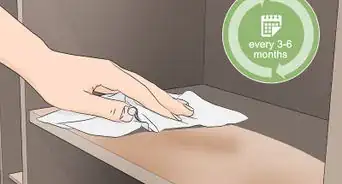
1If pests do get into your building, it’s important to catch them early. Schedule your inspections so you remember to do them. On inspection day, walk through your entire facility, checking store rooms, looking under and behind equipment, and verifying that there are no new entry points for pets. Document your inspection so you have your notes for your records.[1]
- If you’re serviced by a pest control company, they’ll typically do the inspection for you or alongside you.

Method 2
Method 2 of 16:Inspect food deliveries to make sure they’re pest-free.
-
1All of your hard work could be ruined by a tainted shipment. Unfortunately, your food suppliers might not be as dedicated to pest control as you are. Always check deliveries as they come off the truck to make sure the packages are sealed and clean. Additionally, do a quick visual inspection of the truck to make sure it looks clean and you don’t see any obvious pests.[2]
- Signs of pests include open packages, holes in packaging, gnawing on packaging, pest waste, and actual pests.[3]

Method 3
Method 3 of 16:Seal gaps around windows, doors, pipes, and vents.
-
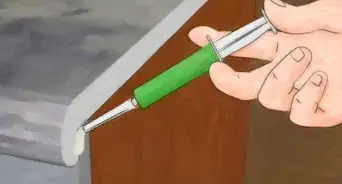
1Cracks and crevices in your building allow pests to come on in. Bugs, rodents, and birds will all take advantage of your hospitality if you give them an entry point. Fortunately, a little building maintenance can quickly put an end to these pests’ dreams. Here’s how to seal out pests:[4] [5]
- Caulk around your windows, doors, and baseboards.
- Fill the area around your pipes with steel wool.
- Install a mesh screen over vents or holes.
- Put screens on your doors and windows.

Method 4
Method 4 of 16:Install exterior lights on building walls, not over doors.
-
1Exterior lights are essential, but they also attract bugs. Unfortunately, a light over your exterior door will attract a whole swarm of bugs that can easily fly into your building. Fix this problem by placing your lights along the exterior wall. This will draw the bugs away from your door, saving you a lot of headaches.[6]

Method 5
Method 5 of 16:Remove vegetation from around your facility.
-
1Shrubs, grass, and other plants all provide a haven for pests. Rodents can live in grass and bushes, birds can build nests in shrubs, and bugs can live their entire life cycles in vegetation. Dig up the vegetation around your building to make it less inviting to pests. If you can’t remove your vegetation, keep it shorter than 3 in (7.6 cm) tall.[7]

Method 6
Method 6 of 16:Rotate your stock using a first in, first out rule.
-
1Your food storage room is where pests will gravitate. If food is left untouched for a length of time, it could become a home and food source to bugs and rodents. To prevent this, always use the oldest stock first. This way, you’ll be constantly shifting your supplies, making it harder for pests to make a home.[8]
- Place your stored items on shelves, not the floor, whenever possible. This makes it easier to clean the floor.[9]

Method 7
Method 7 of 16:Keep food stored in air tight containers.
-
1Pests want your food, and they’ll do whatever it takes to get it. Fortunately, you can easily keep them out with sealed plastic or glass containers. Additionally, you can store food in your refrigerator or freezer. Make sure all of your food is sealed properly, and you’ll already have won half the battle.[10]
- You should even keep food in your preparation area covered. Uncovered food is an invitation to pests!

Method 8
Method 8 of 16:Clean your facilities daily.
-
1The easiest way to keep out pests is to clean every day. Start by making a list of every task you need to do to keep your building tidy and sanitary. Then, establish a routine for cleaning your facility, and identify which employees will take care of each task.[11]
- Ask employees to check off the cleaning tasks so you know they completed them.

Method 9
Method 9 of 16:Take out the garbage as soon as it's full.
-
1Trash is very enticing to pests because it contains food. Train all of your employees to remove trash bags as soon as they’re full. Tie the trash bags, then take them out of the building immediately. Place them in a dumpster with a lid.[12]
- You might set up a schedule for when employees check the trash.

Method 10
Method 10 of 16:Use garbage cans that have a lid.
-
1Garbage is like a beacon to pests, offering food and a home. Fortunately, you can prevent pests from moving in with a simple lid. Make sure the lid is securely on your trash can at all times.[13]
- If the lid isn’t secure, it’s time to empty the trash!

Method 11
Method 11 of 16:Pick up litter outside every day.
-
1Trash outside your building can be a magnet for pests. Send an employee to do a spot check and clean up at least once a day to make sure you don’t have any enticing debris outside that could house or feed a pest. Make sure to toss this debris in a sealed trash can or dumpster.[14]
- For example, balled up fast food wrappers can have pieces of food that draw birds, bugs, and rodents. Additionally, bugs can hide and possibly breed in the wrappers.
- Similarly, a pile of trash could make a lovely home for a rodent who enjoys snacking on your food.

Method 12
Method 12 of 16:Wipe up all spills and water leaks immediately.
-
1Pests need water to drink and—in the case of bugs—reproduce. Literally any spill can attract pests, so train your employees to clean them up as soon as they happen. Additionally, make repairs right away if your plumbing or sinks are leaking.[15]
- Place towels and dry mops in easy to reach locations so spills are easy to clean up.

Method 13
Method 13 of 16:Remove all clutter.
-
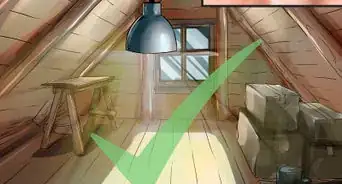
1Trash, personal items, and excess supplies are a great home for pests. Get rid of any items you don’t need in your food storage and preparation areas. Additionally, ask employees to keep their personal items in the break room or in lockers positioned away from the food prep areas.[16]
- For example, a stack of paperwork in your kitchen could provide a great hiding spot for insects or nesting material for rodents.

Method 14
Method 14 of 16:Position rodent traps, roach bait, and a bug zapper around your building.
-
1Catch the critters that do make it inside with food-safe options. Typically, this means putting out rodent traps, setting out bait traps for cockroaches, and hanging an electronic device that zaps flying bugs. However, make sure that any bait you use is far away from open food containers so the poison doesn’t get into the food.[17]
- For instance, you might put bait traps in the office, in your storage closet, and under your sinks. However, don’t put roach bait near where you prepare the food.

Method 15
Method 15 of 16:Hire a pest control company if pests continue to enter your building.
-
1A pest control company will help you get rid of pests safely. It can be tricky to treat pests without contaminating your food, but a professional can help. Your pest control partner will inspect the facilities regularly, assist with pest-proofing, and treat pests. Usually, they’ll respond within 24 hours if you discover pests in your building.[18]
- Pest control professionals give you documentation of all inspections, repair work, and treatments.

Method 16
Method 16 of 16:Create an Integrated Pest Management (IPM) program for your facility.
-
1Your IPM program describes how you’ll prevent and treat pests. The goal of an IPM program is to keep pests out so you don’t need to use harsh pesticides to treat an infestation. If you’re working with a pest control company, they’ll usually create your IPM for you. If you want to make your own, include the following in your IPM:[19]
- Set an action threshold for when you’ll treat pests.
- Identify which pests may threaten your facility.
- Establish how you’ll monitor for pests.
- List your prevention methods.
- Decide how you’ll control pests.

Warnings
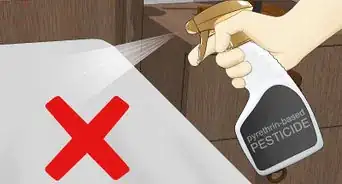
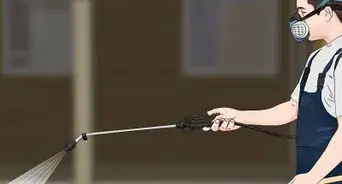
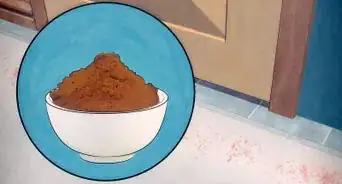
- Pesticides, including those used in baits, can be harmful to humans. They can be difficult to apply in a food facility without contaminating the food. It may be best to hire a professional if you’re having trouble controlling pests in your facility.Thanks!


References
- ↑ https://www.fsai.ie/faq/pest_control.html
- ↑ https://www.fsai.ie/faq/pest_control.html
- ↑ https://www.foodsafety.ca/blog/checklist-receiving-food-deliveries
- ↑ https://www.epa.gov/safepestcontrol/dos-and-donts-pest-control
- ↑ https://www.fsai.ie/faq/pest_control.html
- ↑ https://www.uaex.edu/farm-ranch/pest-management/docs/training-manuals/AG1157.pdf
- ↑ https://www.uaex.edu/farm-ranch/pest-management/docs/training-manuals/AG1157.pdf
- ↑ https://www.food.gov.uk/sites/default/files/media/document/Chapter6-Pest_control_0.pdf
- ↑ https://www.food.gov.uk/sites/default/files/media/document/Chapter6-Pest_control_0.pdf
- ↑ https://www.epa.gov/safepestcontrol/dos-and-donts-pest-control
- ↑ https://seafood.oregonstate.edu/sites/agscid7/files/snic/cleaning-sanitizing-and-pest-control-in-food-processing-storage-and-service-areas.pdf
- ↑ https://seafood.oregonstate.edu/sites/agscid7/files/snic/cleaning-sanitizing-and-pest-control-in-food-processing-storage-and-service-areas.pdf
- ↑ https://www.fsai.ie/faq/pest_control.html
- ↑ https://www.fsai.ie/faq/pest_control.html
- ↑ https://www.epa.gov/safepestcontrol/dos-and-donts-pest-control
- ↑ https://www.epa.gov/safepestcontrol/dos-and-donts-pest-control
- ↑ https://www.epa.gov/safepestcontrol/dos-and-donts-pest-control
- ↑ https://www.fsai.ie/faq/pest_control.html
- ↑ https://www.epa.gov/safepestcontrol/integrated-pest-management-ipm-principles
About This Article