This article was co-authored by Adrienne Youdim, MD and by wikiHow staff writer, Madeleine Criglow. Dr. Adrienne Youdim is a Board Certified Internist specializing in medical weight loss and nutrition and founder and creator of Dehl Nutrition - a line of functional nutritional bars and supplements. With 10+ years of experience, Dr. Youdim uses a holistic approach to nutrition that blends lifestyle changes and evidence-based medicine. Dr. Youdim holds a BA from the University of California, Los Angeles (UCLA) and an MD from the University of California, San Diego (UCSD). She completed her residency training and fellowship at Cedars-Sinai. Dr. Youdim holds multiple board certifications awarded by the American Board of Internal Medicine, the National Board of Physician Nutrition Specialists, and the American Board of Obesity Medicine. She is also a Fellow of the American College of Physicians. Dr. Youdim is an Associate Professor of Medicine at UCLA David Geffen School of Medicine and an Assistant Professor of Medicine at Cedars-Sinai Medical Center. She has been featured on CBS News, Fox News, Dr. Oz, National Public Radio, W Magazine, and the Los Angeles Times.
wikiHow marks an article as reader-approved once it receives enough positive feedback. In this case, 100% of readers who voted found the article helpful, earning it our reader-approved status.
This article has been viewed 238,172 times.
If you want to add protein to your diet, protein powder is an excellent and convenient means to do so! The thing is, there are many different uses and types of protein powder. It can be a little overwhelming when perusing the internet and health food stores for the right one. This article can help you research all the different types of protein powder to find the perfect choice for your diet, weight, goals, and lifestyle.
Steps
Method 1
Method 1 of 7:Determine how much protein you need.
-
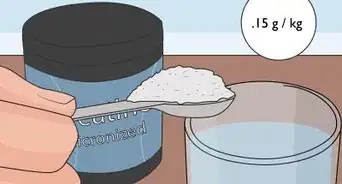
1This will help narrow down which protein powder is right for you. On average, a person needs 0.8 grams of protein for every 2.2 pounds (1.00 kg) of body weight. For example, a person that weighs 145 pounds (66 kg) needs to consume about 52.7 grams of protein a day.[1]
- If you are an athlete, you may need to consume more protein. According to the Academy of Nutrition and Dietetics, strength athletes should consume 1.2 to 1.7 grams of protein for every 2.2 pounds (1.00 kg).
- Endurance athletes should consume 1.2 to 1.4 grams of protein for every 2.2 pounds (1.00 kg).
Advertisement

Method 2
Method 2 of 7:Read the ingredients list carefully.
-
1Not all protein powders contain the same amount of protein. In fact, there’s a huge amount of variety in the ingredients of different protein powders. After you determine how much protein you need, peruse different protein powders to see how much protein is in each powder to get a better idea of the right powder for you.[2]
- Avoid choosing a powder that contains too much protein for your body. Excessive consumption of protein can cause dehydration and damage to your bones and kidneys.[3]

Method 3
Method 3 of 7:Choose whey protein to build muscle.
-
1Use whey protein powder to supplement your workouts. Whey protein powder contains high levels of amino acids and provides a nutritious punch that helps you maintain lean muscle mass and lower blood sugar levels. Because of these nutrient-rich benefits, whey protein is the perfect option for a post-workout shake.[4]Advertisement

Method 4
Method 4 of 7:Opt for soy protein powder for a vegan option.
-
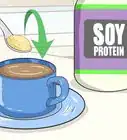
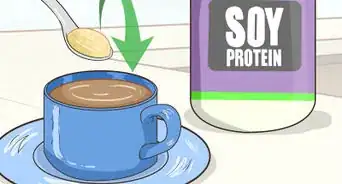
1Soy protein offers similar benefits to whey protein without any animal products. Specifically, soy protein contains comparative levels of amino acids. The product is also proven to enhance bone health and even lower your risk of cardiovascular disease.[7]
- Try soy protein if you are a vegan interested in increasing your muscle mass or supplementing your workouts.[8]

Method 5
Method 5 of 7:Choose a plant-based protein powder as another vegan option.
-
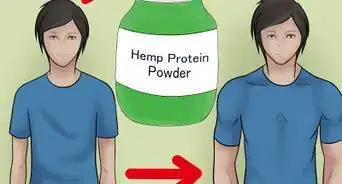
1Pea protein, hemp protein, and rice protein are all great alternatives. Pea protein is an easy to digest alternative to products containing milk. Hemp protein is also a nutritious option that contains healthy levels of Omega-3 fatty acids. Go for brown rice protein if you’re looking for a gluten-free option![9]
- These may not contain as many amino acids as animal-based products. Supplement them by adding whole foods like quinoa and beans to your diet.[10]
Advertisement
Method 6
Method 6 of 7:Avoid protein powders with sweeteners and preservatives.
-
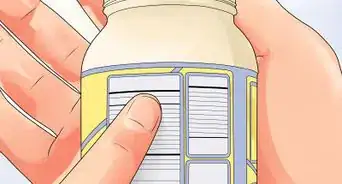
1Many protein powders contain additional sweeteners and preservatives. Always make sure to read the ingredients label before buying a protein powder. Some powders come with a lot of unnecessary extra calories, which may not be ideal if you’re trying to lose weight. You should also check for high levels of sugar and artificial sweeteners like Sucralose, Saccharin, and Aspartame.[11] In addition, avoid protein powders containing dextrins and maltodextrins, which are sweeteners and thickeners derived from starch.[12]
- If you want to make your protein powder tastier, opt for healthy sweeteners instead. Make a protein shake with frozen fruit and peanut butter, or add berries to your protein powder-rich oatmeal![13]

Method 7
Method 7 of 7:Pick a protein powder with an NSF certification.
-
1Protein powder is a dietary supplement that is not regulated by the FDA. This means that the labeling and ingredients list are both left up to the individual manufacturer, with no regulation by an outside organization. This can make verifying the ingredients listed on the product tricky.[14] To ensure a safe and regulated product, pick a protein powder that is certified by the National Science Foundation (NSF). They are an independent organization that inspects foods to make sure that they meet optimum public health and safety standards.[15]
- Check for an NSF "Certified For Sport" logo on the protein powder container.
Advertisement








References
- ↑ https://www.acefitness.org/education-and-resources/professional/expert-articles/5297/how-much-protein-do-we-actually-need/
- ↑ https://health.clevelandclinic.org/7-tips-choosing-best-protein-powder/
- ↑ https://www.acefitness.org/education-and-resources/professional/expert-articles/5297/how-much-protein-do-we-actually-need/
- ↑ https://hcawestflorida.com/blog/entry/5-things-to-look-for-when-buying-protein-powder
- ↑ https://health.clevelandclinic.org/7-tips-choosing-best-protein-powder/
- ↑ https://health.clevelandclinic.org/7-tips-choosing-best-protein-powder/
- ↑ https://hcawestflorida.com/blog/entry/5-things-to-look-for-when-buying-protein-powder
- ↑ https://hcawestflorida.com/blog/entry/5-things-to-look-for-when-buying-protein-powder
- ↑ https://health.clevelandclinic.org/7-tips-choosing-best-protein-powder/
- ↑ https://hcawestflorida.com/blog/entry/5-things-to-look-for-when-buying-protein-powder
- ↑ https://health.usnews.com/wellness/food/articles/a-guide-to-artificial-sweeteners-the-next-generation#expert-sources
- ↑ https://health.clevelandclinic.org/7-tips-choosing-best-protein-powder/
- ↑ https://hcawestflorida.com/blog/entry/5-things-to-look-for-when-buying-protein-powder
- ↑ https://www.health.harvard.edu/staying-healthy/the-power-of-protein
- ↑ https://www.health.harvard.edu/blog/the-scoop-on-protein-powder-2020030918986
- ↑ https://www.acefitness.org/education-and-resources/professional/expert-articles/5297/how-much-protein-do-we-actually-need/
About This Article

Medical Disclaimer
The content of this article is not intended to be a substitute for professional medical advice, examination, diagnosis, or treatment. You should always contact your doctor or other qualified healthcare professional before starting, changing, or stopping any kind of health treatment.