This article was medically reviewed by Erik Kramer, DO, MPH. Dr. Erik Kramer is a Primary Care Physician at the University of Colorado, specializing in internal medicine, diabetes, and weight management. He received his Doctorate in Osteopathic Medicine (D.O.) from the Touro University Nevada College of Osteopathic Medicine in 2012. Dr. Kramer is a Diplomate of the American Board of Obesity Medicine and is board certified.
There are 21 references cited in this article, which can be found at the bottom of the page.
This article has been viewed 235,861 times.
There are many different types of weight-loss drugs and supplements on the market, but there can be risks to taking these products. Always consult your doctor before starting a new drug. Your doctor may be able to recommend a prescription that can aid weight loss if combined with exercise and a healthy diet, but these do carry risks for people with certain medical conditions. Dietary supplements are another popular option for people looking to lose weight, although they are not regulated by the FDA. Always buy your supplements and medications from reputable sources and make sure that you are using them properly.
Steps
Method 1
Method 1 of 3:Prescription Drugs
-
1Ask your doctor if weight loss drugs are right for you. There are many weight-loss drugs that can only be obtained from a doctor. While you are taking these drugs, you will be carefully supervised by your doctor. This will ensure that you are taking the drug correctly. If any side effects or complications do occur, you and your doctor can handle them quickly and safely. Do not use these drugs without the advice or supervision of a doctor. While visiting your doctor, let them know about:[1]
- Your medical history
- Your family’s medical history
- Any allergies you have to medications
- What other medications you are currently taking
- How else you are handling your weight loss (exercise, diet, etc.)
-
2Discuss your risk factors with your doctor. Many prescription weight-loss drugs cannot be used by people with certain conditions. While these can vary from drug to drug, you should always inform your doctor of any medical conditions to prevent dangerous or deadly side effects. Be sure to tell them if you:[2]
- Have a personal or family history of heart disease
- Have high blood pressure
- Suffer from diabetes
- Are pregnant
- Smoke cigarettes
- Have glaucoma
- Have a seizure disorder
Advertisement -
3Work with your doctor to determine which drug fits your needs. There are several types of prescription drugs approved by the FDA for weight loss. Each of these has different effects on the body as well as different strengths and risks. You can talk to your doctor about which of these will be most effective for your weight, health, and lifestyle. These drugs are all used in combination with a healthy diet.[3]
- Phentermine products: These suppress your appetite by blocking the chemicals in your brain that make you feel hungry. You should not take them if you have high blood pressure, glaucoma, or an overactive thyroid, or if you have had a stroke. Brands include Adipex-P or Suprenza.
- Orlistat: This prevents some fat from being absorbed by your body. Do not take orlistat if you have gallbladder problems or if you have chronic malabsorption syndrome. People with kidney or liver problems may also be at risk. Brands include Xenical or Alli.[4] Orlistat also affects the absorption of fat-soluble vitamins, so be sure to discuss this problem with your physician or dietitian.[5] While Alli may be bought over-the-counter without a prescription, you should still consult your doctor first. Limit your fat intake to 20%-30% of your total daily calories to prevent side effects such as gas, diarrhea, and fatty stools.
- Naltrexone HCI with bupropion HCI: This combination of 2 medications is sold under the name Contrave. Bupropion is typically used to treat depression, and Naltrexone is often used to help people with addiction problems. Both can be used to suppress appetite. Don’t take this drug if you have high blood pressure, seizures, or a history of anorexia or bulimia.
- Phentermine-topiramate ER: Sold under the name Qsymia, this drug is a combination of an appetite suppressant (phentermine) and an anti-seizure drug (topiramate). People with heart problems, glaucoma, or thyroid issues should not take this drug. Qsymia can cause birth defects, so don’t take it if you are pregnant or trying to get pregnant. In addition to weight loss, it may also be able to help with migraines.[6]
- Liraglutide: This is an injection that is sometimes used to help treat type II diabetes. The weight loss version is known as Saxenda. It can help suppress appetite. If you or anyone in your family has a history of thyroid cancer, you should not take this.[7]
-
4Watch out for side effects. Be aware that no matter what medication you take, there is a chance of side effects. Some of these side effects are mild; others require immediate medical care. Talk to your doctor before you begin so that you know what to look out for. Some common side effects include:[8]
- Nervousness or anxiety
- Irritability
- Headaches
- Dry mouth
- Nausea
- Constipation
- Abdominal pain
- Diarrhea
- Changes in stool color or consistency
Advertisement


Method 2
Method 2 of 3:Dietary Supplements
-
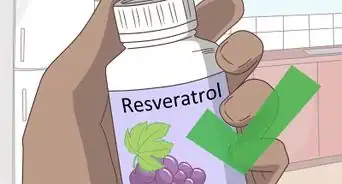
1Read the ingredient list so you know what’s in your supplement. The best place to start is the ingredient list. There are hundreds of different types of ingredients used in dietary supplements. Safe ingredients that are commonly found in weight loss supplements include white kidney bean pod, caffeine (in doses under 400 ml), calcium, chitosan, and chromium. Green coffee extract, green tea extract, and raspberry ketone may be safe in small doses.[9]
- Supplement labels are required to list all active and inactive ingredients, but studies have found that less than 50% of supplement labels listed all the inactive ingredients. They can even have known allergens such as wheat, rice, and soy that are not listed on the label.
- Even safe supplements can still cause side effects, such as headache, gas, or nausea.
- Some brands will list “energy boosters,” “fat-burning products,” or “weight-loss supplements” as ingredients, but these are often used to hide harmful ingredients on the label. Only use products that clearly state which ingredients are in their supplement.
- When choosing a weight loss supplement, you may encounter labels that call their ingredients “natural,” “standardized,” “certified,” or “verified.” These terms are not regulated by the FDA or any other organization.[10]
-
2Avoid dangerous ingredients, such as ephedra. Some ingredients commonly found in supplements are known to be dangerous. Many of these purport to help you lose weight, but they can also cause heart problems, nervousness, or pain. Avoid using these ingredients.[11]
- Ephedra, also known as ma huang, has an increased chance of side effects, especially if combined with caffeine. Ephedra can cause stroke, increased blood pressure, and gastrointestinal problems. It is not considered safe to consume, and it is banned in supplements in the U.S. and Canada.[12]
- Bitter orange is often used as a replacement for ephedra, but it is not necessarily a safer option. It can cause a racing heart rate, anxiety, chest pain, and higher blood pressure. Most evidence based studies found no significant weight loss with bitter orange.[13]
- While there has not been extensive research on hoodia, some studies suggest that it might not be safe. It can cause a faster heart rate, dizziness, nausea, or a headache. Some supplements that claim to have hoodia may not actually contain it.[14] It is a rare plant, and takes many years to mature. Therefore, it is difficult of obtain true hoodia, and most supplements contain counterfeit or non-active forms of hoodia.
- Yohimbe is a stimulant that may cause heart and respiratory problems.
-
3Look for quality seals from third party verifiers. Some independent organizations offer certification to brands that fulfill their quality guidelines. These organizations, while not affiliated with the FDA, can help you discover if a supplement is authentic.[15] These seals include:[16]
- Consumerlab.com approved quality product seal
- The NSF International dietary supplement certification
- U.S. Pharmacopeia dietary supplement verification program (USP)
- UL, a company that has more recently started testing dietary supplements
-
4Research brands to discover reputable products. The U.S. National Institute of Health and the National Library of Medicine operate a database of ingredients, brands, and manufacturers of dietary supplements: https://dsld.od.nih.gov/dsld/. These can help you compare ingredients, identify brands that contain particular ingredients, and find which brands contain harmful ingredients.
- This database also contains the contact information of each manufacturer. If you have questions or concerns about a supplement, it is recommended that you contact the manufacturer for more information.[17]
Advertisement


Method 3
Method 3 of 3:Safety Tips
-
1Fulfill your prescription at a legitimate pharmacy. Some online vendors offer seemingly cheap versions of prescription weight-loss drugs. Do not buy these. They are often fake products that contain dangerous ingredients. Some may be expired, the wrong dosage, or damaged. Always get prescription weight-loss drugs from a pharmacy to make sure that they contain the proper, safe ingredients and dosage.[18]
- There are some reputable online pharmacies. If you choose to fill your prescriptions online, make sure the pharmacy requires a valid prescription from a doctor, carries a valid license, and has a pharmacist on staff to answer your questions.
-
2Buy your over-the-counter products from a reputable source. Weight loss products are known to sometimes be counterfeited or poorly manufactured. These products may be contaminated with dangerous ingredients or have hidden additives that can affect your health. Exercise caution when buying supplements, especially online.[19] It may be better to buy your supplements in a physical store where you can inspect the packaging, the quality, and the brand. You will also be able to compare several brands.
- You can ask a pharmacist for reputable supplement brands. They can also warn you of any suspicious ingredients hiding in the ingredient list.
- ConsumerLab has a list of approved online vendors. These vendors have been verified as providing safe, uncontaminated supplements.[20]
- Some types of counterfeit Alli (an over-the-counter form of orlistat) bought online have been found to contain sibutramine (Meridia), which can cause severe or dangerous side effects.[21]
-
3Avoid weight-loss drugs or supplements if you are pregnant. Many supplements and drugs have not been tested on pregnant women. It is unknown whether they could have harmful effects on the fetus.[22] Work with your doctor on a healthy diet that will benefit both you and your baby, or talk to them about the potential risks and benefits of different medications or supplements.
- Qsymia is known to increase the risk of birth defects. Never take Qsymia while you are pregnant or may become pregnant.[23]
-
4Stop taking supplements before surgery. If you have a planned surgery, your surgeon may ask you to stop taking supplements a few weeks beforehand. Some supplements can interfere with medications, anesthesia, or blood clotting, thus increasing your risk of complications both during and after the surgery. Inform your doctors of any supplements you are taking, and follow their directions if they advise you to stop.[24]
- Don’t abruptly stop taking a prescribed weight loss medication unless your doctor tells you to do so. Stopping certain medications too quickly could cause dangerous withdrawal symptoms.
Advertisement


Warnings
- Supplements do not offer impressive results for weight loss, and many cause harmful side effects. Supplements are poorly monitored for purity and consistency of ingredients, and are in the “buyer beware” category of goods.Thanks!
- Never share your prescription weight loss medication with anyone else.Thanks!
- Children should not take weight loss medication. Store your prescription drug in a place where they cannot reach it.Thanks!
- If you are experiencing side effects, contact a doctor immediately. They will advise you about how to adjust your dosage or stop taking the medication or supplement safely.Thanks!



-Step-18.webp)

References
- ↑ https://www.mayoclinic.org/healthy-lifestyle/weight-loss/in-depth/weight-loss-drugs/art-20044832
- ↑ https://onlinelibrary.wiley.com/doi/full/10.1002/oby.21094
- ↑ https://www.niddk.nih.gov/health-information/weight-management/prescription-medications-treat-overweight-obesity
- ↑ https://www.drugs.com/orlistat.html
- ↑ https://medlineplus.gov/druginfo/meds/a601244.html
- ↑ http://www.health.harvard.edu/staying-healthy/are-weight-loss-drugs-worth-trying
- ↑ https://www.drugs.com/cdi/liraglutide.html
- ↑ http://familydoctor.org/familydoctor/en/drugs-procedures-devices/prescription-medicines/prescription-weight-loss-medicines.html
- ↑ https://ods.od.nih.gov/factsheets/WeightLoss-Consumer/
- ↑ https://www.nccih.nih.gov/health/using-dietary-supplements-wisely
- ↑ https://ods.od.nih.gov/factsheets/WeightLoss-Consumer/
- ↑ https://nccih.nih.gov/health/ephedra
- ↑ http://www.todaysdietitian.com/newarchives/060114p44.shtml
- ↑ https://nccih.nih.gov/health/hoodia
- ↑ https://www.consumerreports.org/supplements/how-to-choose-supplements-wisely/
- ↑ https://ods.od.nih.gov/Health_Information/ODS_Frequently_Asked_Questions.aspx#Purchase
- ↑ https://www.fda.gov/food/buy-store-serve-safe-food/what-you-need-know-about-dietary-supplements
- ↑ https://www.fda.gov/consumers/consumer-updates/how-buy-medicines-safely-online-pharmacy
- ↑ https://www.fda.gov/food/buy-store-serve-safe-food/what-you-need-know-about-dietary-supplements
- ↑ https://www.consumerlab.com/where-to-buy/
- ↑ http://web.archive.org/web/20160628224633/http://www.fda.gov/ForConsumers/ConsumerUpdates/ucm198557.htm
- ↑ https://nccih.nih.gov/health/supplements/wiseuse.htm
- ↑ http://www.obesityaction.org/obesity-treatments/physician-supervised-programs
- ↑ https://www.nccih.nih.gov/health/using-dietary-supplements-wisely
About This Article