This article was co-authored by wikiHow Staff. Our trained team of editors and researchers validate articles for accuracy and comprehensiveness. wikiHow's Content Management Team carefully monitors the work from our editorial staff to ensure that each article is backed by trusted research and meets our high quality standards.
This article has been viewed 1,917 times.
Learn more...
Olive wood is rare and distinctive, used to carve some kitchenware and small decorative objects. If treated properly, your olive wood will last a lifetime and longer—but this precious wood requires some careful handling. Here, we've gathered answers to some of the most common questions about how to care for olive wood so you can enjoy your pieces for decades to come.[1]
Steps
Question 1
Question 1 of 7:How do I wash olive wood?
-
1Hand-wash olive wood with warm water and mild detergent. After using olive wood kitchenware, rinse it off with warm water and scrub with a soft sponge and mild detergent. For more difficult food particles, you can also use a nylon scrubbing pad. Rinse with warm water, then pat dry with a soft towel.[2]
- Hand-drying rather than allowing olive wood to air dry will keep the wood from swelling or warping over time.
- Never put olive wood kitchenware in the dishwasher. The heat from the dishwasher will cause the wood to over-dry, which can lead it to crack.[3]
Advertisement

Question 2
Question 2 of 7:What oil should I use on olive wood kitchenware?
-
1Season new wood with food-grade mineral oil. Get food-grade mineral oil online or at your local grocery store. Drip a small amount of the oil on a soft cloth and rub it all over the wood. Once it's dried, repeat the process a second time.[4]
- Don't use your utensils until they've completely dried. Usually, it's best to leave them out to dry overnight after you've applied the second coat of oil.
- Food-grade mineral oil is absorbed rapidly and won't leave the wood greasy like some other oils will. Avoid using vegetable or olive oil, which can go rancid.

Question 3
Question 3 of 7:How can I keep olive wood from cracking?
-
1Avoid leaving olive wood sitting in water to keep it from cracking. Prolonged exposure to water raises the grain of the wood and causes it to swell, which can result in cracking. Always make sure your olive wood is completely dry after washing it.[5]
- Olive wood will also crack if exposed to excessive heat, such as by putting it in the dishwasher, which causes it to over-dry.[6]
Advertisement

Question 4
Question 4 of 7:Does olive wood stain?
-
1Olive wood is hard and dense, which makes it stain-resistant. If oiled regularly and cleaned properly, your olive wood typically won't stain. It's also relatively odor-resistant, so you don't have to worry about your olive wood kitchenware retaining smells from your food.[7]
- Being stain-resistant doesn't mean you'll never get a stain. But if you do, a quick rub with fine sandpaper should be enough to remove it.[8]

Question 5
Question 5 of 7:What if I haven't used my olive wood for a while?
-
1Use a solution of 3% hydrogen peroxide and water to sanitize your olive wood. Before you use olive wood kitchenware to serve food, mix a solution of equal parts hydrogen peroxide and water. Dip a soft cloth into the solution and rub your olive wood to sanitize it, then rinse it with warm water and pat it dry.[9]
- You can also mix lemon juice and salt into a paste to scrub your olive wood if it's gotten dirty since the last time you used it.
Advertisement

Question 6
Question 6 of 7:How can I make olive wood shine?
-
1Oil your olive wood whenever it gets dull to restore the shine. How often you need to oil your olive wood really depends on how often you use it. If you use it regularly, you might oil it once a week. If you only use it occasionally, you might want to get in the habit of oiling it after every use.[10]
- Always use food-grade mineral oil for your olive wood. You can find it online or at most grocery stores.
- Treat your wood regularly, even if you only use it for decorative purposes. If you oil it at least once a month, it will retain its smooth shine.

Question 7
Question 7 of 7:Why is olive wood so expensive?
-
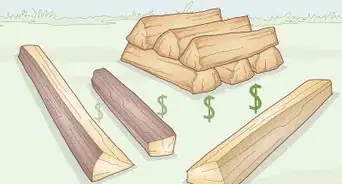
1Olive wood is not commonly harvested so it is relatively rare. Because olive trees grow in a twisted and irregular way, the wood is difficult to harvest for lumber. When a tree is cut for wood, it's usually only possible to cut smaller pieces. Additionally, the raw wood is difficult to treat and dry compared to other woods.[11]
- While you can find kitchenware and even furniture made of olive wood, it's usually reserved for more delicate, decorative pieces. The rarity of olive wood on the global market commands a higher price tag.
Advertisement




References
- ↑ http://www.woodassistant.com/wood-database/olive-wood/
- ↑ https://www.olivetreeboutiquetolo.com/post/2017/03/09/how-to-care-for-olive-wood-products
- ↑ https://lebonocollection.com/blogs/blog-post/how-to-care-for-your-olive-wood-kitchenware
- ↑ https://www.olivetreeboutiquetolo.com/post/2017/03/09/how-to-care-for-olive-wood-products
- ↑ https://www.newhampshirebowlandboard.com/blogs/blog/17781640-caring-for-olive-wood-bowls-and-utensils
- ↑ https://lebonocollection.com/blogs/blog-post/how-to-care-for-your-olive-wood-kitchenware
- ↑ https://www.newhampshirebowlandboard.com/blogs/blog/17781640-caring-for-olive-wood-bowls-and-utensils
- ↑ https://www.pacificmerchants.com/french-wood-tools/
- ↑ https://www.newhampshirebowlandboard.com/blogs/blog/17781640-caring-for-olive-wood-bowls-and-utensils
About This Article