This article was co-authored by wikiHow Staff. Our trained team of editors and researchers validate articles for accuracy and comprehensiveness. wikiHow's Content Management Team carefully monitors the work from our editorial staff to ensure that each article is backed by trusted research and meets our high quality standards.
There are 11 references cited in this article, which can be found at the bottom of the page.
This article has been viewed 66,720 times.
Learn more...
Carrots are delicious and nutritious root vegetables. Their many great health benefits include helping with weight loss, lowering cholesterol, and improving vision, since they are packed with Vitamin A.[1] You can eat carrots raw, but they are also extremely easy to cook. Boiling carrots is a quick and simple way to bring out new textures and flavors in them.
Steps
Part 1
Part 1 of 3:Preparing the Carrots
-
1Choose your carrots. Stores usually sell carrots either in bunches with their green tops still on, loose with no greens, or in bags with no greens. Carrots with greens intact tend to be more expensive than carrots without their tops.[2] Try to choose the freshest vegetables that you can.
- Look for carrots that have a deep orange color. Carrot pigment fades with time, so paler vegetables tend to be older.
- Avoid carrots with withered green tops, since they are no longer fresh.
- Carrots with lots of cracks and little hairy rootlets growing out of them are old.[3]
-
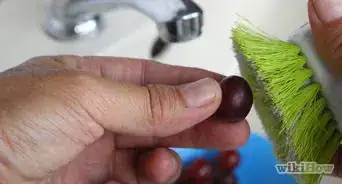
2Wash your carrots. Scrub them with a vegetable brush under running water. Make sure you remove all the dirt.Advertisement
-
3Peel the carrots, depending on your tastes. Removing the tough outer layer of the carrot with a vegetable peeler makes it more tender, but it also takes away some of the carrot's nutrients and flavor. If you choose not to peel, make sure that your carrots are very thoroughly cleaned.
-
4Cut the carrots. If your carrots still have their green tops, chop them off. You can then either boil the carrots whole, or cut them into pieces of any size or shape.
- Carrots cut into smaller pieces will cook faster. If you are pressed for time, cut your carrots into very small, evenly-sized pieces so that they all boil at the same rate.
- On the other hand, the boiling process leeches some of the nutrients and flavor out of the carrots through their exposed surface area. Chopped up carrots have a larger exposed surface area, and lose more flavor and nutrients in the boiling process than uncut carrots. Cooking carrots whole helps to retain both the taste and the nutrient levels.[4]
Advertisement


Part 2
Part 2 of 3:Cooking the Carrots
-
1Bring water to boil. Fill a pot with just enough water to cover the carrots. Avoid using too much water in order to minimize nutrient loss.
- You can put some salt in the water if you want, which raises the water's boiling point and helps the carrots to cook faster while also adding more flavor.
-
2Put the carrots in the water. Once your water has begun boiling, add the carrots and cover them with the pot lid.
-
3Cook the carrots until they are done to your satisfaction. The cooking time depends on how big the pieces of carrot are, and how soft you want them to be. Check after five to ten minutes and continue boiling for longer, even up to half an hour, if the carrots are still too firm for your liking.
- You can test doneness by spearing a piece of carrot with a fork. The tines should slide easily into the carrot.
-
4Drain the carrots. You can either pour the carrots out of the pot into a colander, or hold the lid firmly over the pot, leaving just a small opening at the edge, and drain the water out into the sink while keeping the carrots inside.
- You might want to wear oven mitts to protect your hands from the hot steam.
Advertisement


Part 3
Part 3 of 3:Serving the Carrots
-
1Serve them hot. Your carrots will taste better if you eat them as soon as they are done cooking.
- If you are not planning on eating your carrots immediately, try blanching them - just boiling them quickly for two to three minutes - and then quickly cooling them in ice. After you dry them off, you can store them in the freezer in freezer bags. This quick boiling will improve the texture when you thaw them.[5]
-
2Cut the carrots into smaller pieces. If you have boiled your carrots whole or in large chunks, you might want to chop them, dice them, or julienne them for serving.
- You can cut your carrots baton-style into sticks of any length you want.
- Dice your carrots by cutting your batons into small cubes. Make sure all the pieces are equal sizes.
- To do a julienne cut, take a whole carrot and cut a thin slice off one side to make a flat surface. This will keep the carrot steady. Put the carrot flat-side down and then cut it length-wise into very thin slices, no more than 1/8th of an inch thick. Pile all of your slices on top of each other and slice through them again to create thin pieces roughly the size of matchsticks.[6]
-
3Season your carrots with herbs or spices. These add extra flavor to your dish. Salt, pepper, and garlic are all reliable seasonings for carrots and good standby options.[7]
-
4Flavor your carrots with some liquid fats or acids. This gives them another pop of flavor and prevents them from getting too dry. Drizzle the carrots with extra virgin olive oil or melt butter on them after they are cooked.
- Try drizzling your carrots with a bit of balsamic vinegar. The tartness of the vinegar brings out the sweetness of the carrots.[10]
-
5Add a glaze. This is a flavorful, usually sweet, coating on food. It is a great way to give carrots more flavor, and can tempt even picky eaters into trying your dish.
- For a simple glaze, melt butter in a sauce pan and stir in sugar and a pinch of salt until they have dissolved. Put the cooked carrots into the mixture and cook them in it for about five minutes until they are covered in the glaze.[11]
- Experiment with different ingredients in your glaze. Try replacing sugar with maple syrup, for instance. Add some herbs, ginger, or citrus zest to give the glaze an extra pop of flavor.[12]
Advertisement


Community Q&A
Did you know you can get answers researched by wikiHow Staff?
Unlock staff-researched answers by supporting wikiHow
-
QuestionWhat should I look for when choosing carrots?
 wikiHow Staff EditorThis answer was written by one of our trained team of researchers who validated it for accuracy and comprehensiveness.
Staff AnswerwikiHow Staff EditorStaff AnswerLook for carrots that are either small or medium in size. Large carrots can be woody and hard. Avoid split carrots unless you want to use them for juicing (large carrots can also be juiced). Avoid carrots that feel soft, limp or have blemishes, although these can be added to soup if they're a bargain. If buying carrots with the leaves and stalks still intact, these should appear fresh and bright green.
Support wikiHow by unlocking this staff-researched answer.
-
QuestionHow long should I boil carrots for?wikiHow Staff EditorThis answer was written by one of our trained team of researchers who validated it for accuracy and comprehensiveness.
Staff AnswerwikiHow Staff EditorStaff AnswerThe amount of time for boiling the carrots depends on how tender or crisp you want the carrots to be. For sliced carrots, a general amount of time for cooking is 7 to 10 minutes. If boiling whole carrots, you might want to boil them for up to half an hour if you want them to be quite soft.Support wikiHow by unlocking this staff-researched answer.
-
QuestionShould I peel carrots before boiling them?wikiHow Staff EditorThis answer was written by one of our trained team of researchers who validated it for accuracy and comprehensiveness.
Staff AnswerwikiHow Staff EditorStaff AnswerTo peel or not to peel is up to you, although it is generally better to leave the peel intact because this keeps the nutrients when boiling. If you leave them peeled, wash them before boiling.Support wikiHow by unlocking this staff-researched answer.
-
QuestionHow do I roast carrots?wikiHow Staff EditorThis answer was written by one of our trained team of researchers who validated it for accuracy and comprehensiveness.
Staff AnswerwikiHow Staff EditorStaff AnswerCarrots can be roasted in olive oil at a temperature of 200ºC for about 45 minutes. For instructions on preparing the carrots, then roasting them, check out the wikiHow How to Roast Carrots.Support wikiHow by unlocking this staff-researched answer.
-
QuestionWhat is the best way to soften carrots?
 Drew Hawkins1Community AnswerProbably the easiest way is to lightly boil them until they're soft. Start by washing and peeling them to remove the tough outer layer. You can then cut them into smaller pieces to help them cook faster. On the other hand, the boiling process leeches some of the nutrients and flavor out of the carrots through their exposed surface area. Chopped up carrots have a larger exposed surface area, and lose more flavor and nutrients in the boiling process than uncut carrots. Whichever way you decide, you'll want to fill a pot with just enough water to cover the carrots and bring it to a boil. Once your water has begun boiling, add the carrots and cover them with the pot lid. Check the carrots after about 5 minutes and spear them with a fork to see how soft they are. If they're where you want them to be, drain the water and you're all set. If they're still too hard, let them boil for another minute or so.
 -
QuestionHow long do carrots take to boil?Drew Hawkins1Community AnswerIt can vary slightly on how ripe they are and how big the pieces are. Cut up carrots will boil quicker because of the greater surface area. They'll also lose more flavor and nutrients in the boiling process than uncut carrots. Cooking carrots whole helps to retain both the taste and the nutrient levels, but it takes longer. Fill a pot with just enough water to cover the carrot and bring it to a boil. Add the carrots to the boiling water and cover the pot with a lid. After 5 minutes, check the carrots by sticking one of them with a fork. If the tines slide easily into the carrot, then they're finished boiling. If not, give them another minute or two and then check them again. Once they're finished, drain them into a colander and enjoy!
-
QuestionDo carrots take longer to boil than potatoes?Drew Hawkins1Community AnswerUsually, no. Carrots generally cook much faster than potatoes. But it can depend on how you boil them. If you boil a carrot whole, it may take longer than diced up potatoes, for instance. A whole potato can take anywhere between 20-30 minutes to fully cook in boiling water. A whole carrot can take between 10-20 minutes. But if you boil sliced or cut up carrots, it can take between 5-10 minutes. So while it does depend on the size of the carrots or the potatoes that you're boiling, carrots generally cook quicker.
Warnings
- Make sure that the carrots are very soft and cut into very small pieces if you are preparing them for an infant or toddler. Harder carrots and bigger chunks are difficult for small children to chew and present a choking hazard. Pieces should be no bigger than 1/2 an inch in any direction. If you have any doubts, cut them even smaller.[15]Thanks!

References
- ↑ https://www.healthline.com/nutrition/foods/carrots
- ↑ http://www.berkeleywellness.com/healthy-eating/food/article/how-choose-best-carrots
- ↑ http://www.latimes.com/style/la-fo-carrots-seasonal-cooking-p-story.html
- ↑ https://www.theguardian.com/lifeandstyle/2009/jun/17/carrots-health-benefits-cooking
- ↑ https://oureverydaylife.com/steaming-vs-boiling-vs-baking-carrots-28893.html
- ↑ https://www.thekitchn.com/how-to-cut-carrots-194735
- ↑ https://healthyeating.sfgate.com/season-broccoli-carrots-5042.html
- ↑ https://oureverydaylife.com/429891-how-to-season-carrots.html
- ↑ https://healthyeating.sfgate.com/season-broccoli-carrots-5042.html
- ↑ https://healthyeating.sfgate.com/season-broccoli-carrots-5042.html
- ↑ https://www.allrecipes.com/recipe/229669/glazed-carrots/
- ↑ https://www.foodnetwork.com/how-to/articles/how-to-glaze-vegetables-a-step-by-step-guide
- ↑ http://www.berkeleywellness.com/healthy-eating/food/article/how-choose-best-carrots
- ↑ http://www.latimes.com/style/la-fo-carrots-seasonal-cooking-p-story.html
- ↑ https://www.mottchildren.org/posts/your-child/choking-prevention
About This Article
Carrots are a nutritious vegetable that are also easy to cook. Boiling carrots is a quick and simple way to prepare them. Start by rinsing and peeling your carrots. You can boil them whole or cut them into smaller pieces, which will make them cook faster. Fill a pot with just enough water to cover the carrots. Once the water starts to boil, put the carrots in and cover the pot with a lid. Check your carrots after 5 or 10 minutes by spearing them with a fork. If the tines easily slide into the carrots, then they’re done. If not, cook them longer. When the carrots are ready, drain the water and serve them hot. To learn how to season your carrots, keep reading!