This article was co-authored by Better Business Bureau and by wikiHow staff writer, Hannah Madden. The Better Business Bureau, also known as the BBB, is a private, nonprofit organization focused on advancing marketplace trust. Founded in 1912, the BBB is a collection of 106 independently incorporated local BBB organizations in the United States and Canada coordinated under the International Association of Better Business Bureaus (IABBB) in Arlington, Virginia. The BBB provides direct services such as information about a company before you do business with it and with helping resolve a complaint you might have against a firm. The BBB also provides indirect services such as monitoring selling practices and alerting consumers to bad business and advertising practices. The BBB also provides accreditation to businesses, increasing their visibility and standards of integrity and excellence.
This article has been viewed 1,330 times.
As more and more people shop online, shipping scams have increased rapidly. Texts, calls, and emails about packages can be convincing, so it’s hard to tell what’s real and what’s not. We’ve compiled a list of ways you can avoid shipping scams to keep your packages and your money safe. If you’ve lost money in a scam, contact your bank right away to (hopefully) get your money back.
Steps
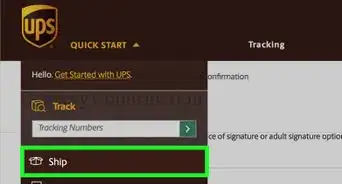
Method 1
Method 1 of 10:Be wary if messages contain grammar or spelling errors.
-
1This goes for emails, texts, and website URLs. If the message has a ton of errors in it, it’s most likely a scam. Communications from legitimate shipping sites undergo an editing process, and should be more or less perfect.[1]
- Scammers will also sometimes use fake URLs that are close to the real thing. For example, if you get an email from “FedEx” asking you to click a link that says “FedX.com,” it’s probably a scam.
- The same goes for email addresses. Often, the sender will look official, but if you hover your mouse over the address, take note if it’s actually very long or pops up as a spam link.

Method 2
Method 2 of 10:Don’t click links that are emailed or texted to you.
-
1A shipping company will never send you unsolicited links to click. If you think there is a problem with your package, go to the delivery company’s website directly and sign in through their portal. From there, you can check on the status of your package and see when it’s going to be delivered.[2]
- The best thing to do with messages that include shady links is to delete them. Clicking on the link could give a scammer access to your phone or computer.

Method 3
Method 3 of 10:Don’t respond to requests for more money via text.
-
1These messages often have a sense of urgency, which can be alarming. However, if you’ve paid for your package and the shipping fees associated with it, you won’t be asked to send the company more money. If you’re concerned about your package, head to the shipping company’s website directly to check its status.[3]
- The one exception to this is if you’re receiving a package from another country, in which case you may have to pay customs fees. The request for customs fees will always come from your country’s mail service, and you’ll have the option to accept them and pay online or deny them and have the package sent back.[4]

Method 4
Method 4 of 10:Get tracking numbers for your shipments.
-
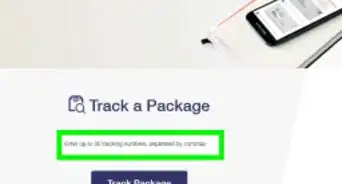
1You can check your shipping progress to see where your package is. If you get a suspicious email or text saying that your package has been “lost,” check your tracking number first. You’ll be able to tell if your package is truly lost or if it’s still on the way.[5]
- Most shipping companies will give you a tracking number automatically, but some services require you to pay extra for it.

Method 5
Method 5 of 10:Request a signature at drop-off.
-
1The delivery person will have to hand the package directly to you. This will help you avoid any scams requesting money for a lost or stolen package. If you know exactly where your package is, you have less of a chance of falling for a scam.[6]
- Most shipping companies charge a moderate fee to request a signature.

Method 6
Method 6 of 10:Pay via credit card or PayPal.
-
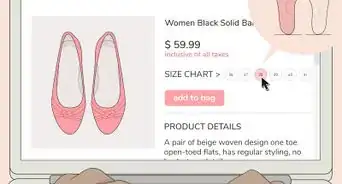
1Never send money through a third-party website or app. If you head to a website and it asks for your credit card information, look up at the top of the screen near the URL. If there’s a little padlock icon, the website is protected and it’s probably safe to enter your information. If there’s no padlock or it says “Not Protected,” don't enter your information.[7]
- This protection is called a Security Socket Layer, or SSL.

Method 7
Method 7 of 10:Don’t give out your Social Security Number or bank account info.
-
1This information can be used to steal your identity. If a site ever asks you for your bank account information or your social security number, back out immediately. Legitimate shipping companies will never ask you for that information.[8]
- When you purchase a shipping label online, you will have to enter in a credit card number. However, you won’t have to include your bank account number or routing number.

Method 8
Method 8 of 10:Double check that missed delivery notices are legitimate.
-
1Scammers will sometimes leave them on your door to get your info. If you got a “missed delivery” tag on your door, check the tracking number for your package to double check if it's legitimate. If the shipping company’s website also says “missed delivery," then you’re good to go.[9]
- If your tracking number still says that the package is in transit, it’s probably a fake tag. Don’t go to any websites or enter in any information on the fake delivery tag.

Method 9
Method 9 of 10:Contact the shipping company directly with questions.
-
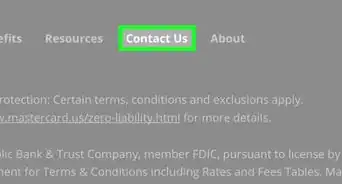
1If something doesn't feel right, they can help you sort it out. Check the shipping company’s website to find the number for customer service. They can help you figure out where your package is and what to do if you’re being scammed.[10]

Method 10
Method 10 of 10:Don’t use shipping labels provided by customers.
-
1This is a common scam that can cost sellers money. If you’re selling an item on eBay or an online marketplace, never accept a shipping label that a customer sends you. They could be routing the package somewhere completely different, then claiming that their package was never delivered.[11]



References
- ↑ https://www.ups.com/assets/resources/media/en_US/fraud_email_examples.pdf
- ↑ https://www.fcc.gov/how-identify-and-avoid-package-delivery-scams
- ↑ https://www.fedex.com/en-us/trust-center/report-fraud.html
- ↑ https://personal.help.royalmail.com/app/answers/detail/a_id/7208/~/help-with-paying-customs-fees
- ↑ https://www.bbb.org/article/scams/16460-scam-alert-fake-text-delivery-scam
- ↑ https://www.bbb.org/article/scams/16460-scam-alert-fake-text-delivery-scam
- ↑ https://www.fcc.gov/how-identify-and-avoid-package-delivery-scams
- ↑ https://www.fcc.gov/how-identify-and-avoid-package-delivery-scams
- ↑ https://www.bbb.org/article/scams/16460-scam-alert-fake-text-delivery-scam
About This Article