This article was co-authored by Pippa Elliott, MRCVS. Dr. Elliott, BVMS, MRCVS is a veterinarian with over 30 years of experience in veterinary surgery and companion animal practice. She graduated from the University of Glasgow in 1987 with a degree in veterinary medicine and surgery. She has worked at the same animal clinic in her hometown for over 20 years.
There are 8 references cited in this article, which can be found at the bottom of the page.
This article has been viewed 10,030 times.
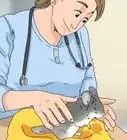
Like most rodents, chinchillas love to chew and explore, and their curiosity can get them into trouble. Fortunately, with a little attention to detail, you can keep your furry friend safe and sound. For starters, make sure its enclosure, bedding, and toys are made of non-toxic materials. When you let it out of its cage, keep an eye on it, and make sure plants, medicines, and household chemicals are out of reach. Additionally, chinchillas have unique digestive systems, so steer clear of toxic or potentially harmful foods.
Steps
Part 1
Part 1 of 3:Providing a Safe Environment
-
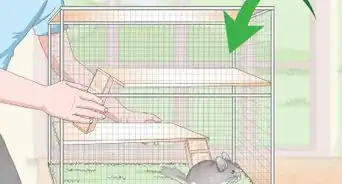
1Ensure the cage isn’t made of zinc or galvanized metals. Zinc is toxic, and galvanized metals may contain zinc. Like most rodents, chinchillas love to chew, so choose a cage made of a metal that’s safe to gnaw on, like aluminum or stainless steel.
- Avoid plastic and wood enclosures. Your chinchilla could gnaw a hole in plastic or wood and escape.
- Additionally, while wire mesh cages are your best option, the floor should be solid. If your enclosure has a mesh bottom, cover part of it with a solid board. A mesh floor can injure a chinchilla’s feet.
-
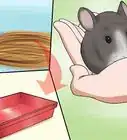
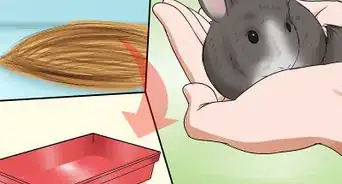
2Line the cage floor with unscented, non-toxic paper bedding. Look for commercial bedding for pet rodents at your local pet store. Unscented, dye-free paper bedding is gentle on a chinchilla’s feet, and it absorbs moisture from droppings.[1]
- Avoid lining the enclosure’s floor with wood shavings. They’re dusty and can irritate a chinchilla’s respiratory tract.
-
3Choose toys made of safe wood, such as birch and manzanita. To stay on the safe side, purchase safe wood toys and perches labeled for rodents at your pet supply store. Twigs or branches that you collect from your yard could carry harmful pesticides or other chemicals. Additionally, several types of wood are toxic to chinchillas.[2]
- Unsafe woods include cedar, cherry, citrus (orange or lemon), fresh pine, oleander, plum, and redwood. You should also avoid any wooden item treated with chemicals or pesticides.
- Safe options include apple, ash, birch, elm, hazelnut, manzanita, maple, pear, and phenol oil-free pine.
-
4Keep houseplants away from the cage. Make sure houseplants are far enough from the enclosure that foliage won’t fall or creep inside. A number of plants are poisonous to chinchillas and other pets; lethal plants include ivy, foxglove, and oleander.[3]
- Common houseplants including lilies, tulips, aloe, and geraniums are also potentially harmful. Stay on the safe side and keep all houseplants away from your chinchilla and any other pets.
- Collect any petals or leaves that fall from your plants, especially in areas where you let your chinchilla out of its cage.
-
5Store medicines and chemicals away from your chinchilla. Keep medicines tightly sealed, and store them in cabinets or drawers. To prevent accidental spills, avoid placing chemicals, such as household cleaners, next to the enclosure.[4]
- Additionally, avoid spraying air fresheners or cleaning products near your chinchilla, its enclosure, or its food and water containers.
-
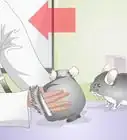
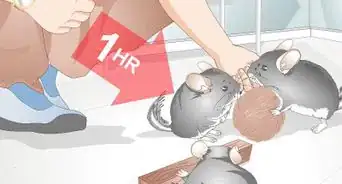
6Monitor your pet when you let it out of its cage. At least 1 hour of out-of-cage time every 1 to 2 days will help keep your chinchilla in good health. Before letting it out, chinchilla-proof its play area by removing plants, electrical cords, household cleaners, and other hazards. Keep it in pen, or make sure it can’t access vents, furniture, fireplaces, and other hiding spots.[5]
- Keep an eye on your pet at all times when you let it out of its cage. If you have cats or dogs, be sure that they’re in a separate, closed-off area.
- Don’t let your chinchilla chew on painted surfaces, flooring, fixtures, or furniture. Provide chew toys, such as safe wooden items, so it’s not tempted to gnaw on potentially dangerous objects.


Part 2
Part 2 of 3:Avoiding Toxic Foods
-
1Change your pet’s food and water daily to prevent mold growth. Moldy food can make your pet sick, so remove uneaten hay, pellets, and treats at the end of the day. Additionally, toxic bacteria and fungi can grow in food and water containers, so clean them with hot water and soap at least every other day.[6]
- Unsanitary conditions can lead to eye, respiratory, and skin infections, so spot clean the enclosure daily and deep clean it weekly.
-
2Offer small pieces of fresh or dried fruit sparingly. Apples, raisins, and high-sugar veggies, such as carrots, are common treat choices. However, too much fruit can make a chinchilla sick, so offer less than a teaspoon (5 ml) per day.[7]
- Never offer a piece of apple with seeds in it. Apple seeds are toxic to chinchillas.
- For instance, a sliver of apple or carrot the size of a thumbnail is a good treat portion.
- If you offer raisins, offer half of a raisin at a time, and avoid giving your chinchilla more than 3 or 4 per week. Chinchillas love raisins, but too many can lead to digestive issues.
- Fruits to avoid include bananas and citrus, such as oranges. While they’re not poisonous, you should also avoid offering seeds and nuts, as too much protein and fat can lead to health issues.[8]
-
3Steer clear of most vegetables, including corn and cruciferous veggies. Chinchillas have sensitive digestive systems, and corn and cruciferous vegetables can make them sick. Cruciferous veggies include broccoli, Brussels sprouts, cabbage, cauliflower, and kale.[9]
- Other veggies to avoid include asparagus, avocado, onions (as well as garlic and leeks), peas, spinach, and rhubarb.
- Carrots and celery are safe treats, but offer them in moderation.
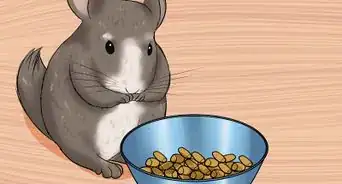
- Generally speaking, 1 to 2 tablespoons (15 to 30 ml) of commercial chinchilla pellets per day and a continuous supply of timothy hay will provide your chinchilla all the nutrients it needs. Consult your pet’s vet if you have any concerns about its diet.
-
4Keep your chinchilla away from chocolate. Chocolate contains a stimulant that’s toxic to chinchillas, other rodents, and most pets. Never offer chocolate as a treat, and make sure all chocolate products are out of reach when you let your chinchilla out of its cage.[10]


Part 3
Part 3 of 3:Seeking Treatment for Poisoning
-
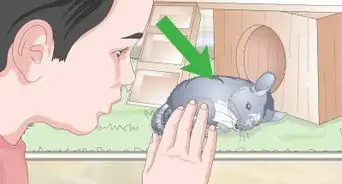
1Remove your pet from the toxic substance. Try to stay calm if you suspect your chinchilla has eaten or come into contact with something poisonous. The first thing to do is to take your pet away from toxic food, spilled chemicals, or any other hazardous substance.[11]
- Do not attempt to make your chinchilla vomit, as chinchillas are unable to vomit. Furthermore, vomiting can make matters worse, so never make any pet vomit unless you’re instructed to by a vet.
- If a poisonous substance is on your pet’s fur, it’s best to consult the vet before attempting to wash it with water. If possible, brush the substance away with a dry paper towel or cloth, then check with the vet to make sure water won’t make the substance more dangerous.
-
2Contact your chinchilla’s vet immediately. Tell the vet which substance is involved, when your chinchilla ingested or came into contact with it, and if you observe any symptoms. Ask the vet if there are any immediate steps you need to take and if you should bring your pet to the office.[12]
- Symptoms of poisoning vary, but could include labored breathing, rapid breathing, drooling, diarrhea, lethargy, loss of mobility, or unresponsiveness.
-
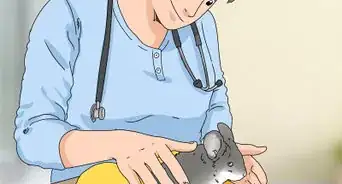
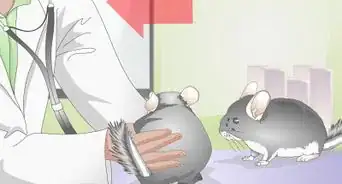
3Handle your pet gently to minimize stress. Chinchillas are easily frightened, and stress can worsen your pet’s condition. Gently, but firmly, grasp it with both hands so your fingertips meet across its chest. Try wrapping it in a lightweight cloth or towel to maintain control and help keep it calm.[13]
- If you need to drive your chinchilla to the vet, place in a pet carrier. If the weather’s hot, keep the temperature in your car as cool as possible. Chinchillas can’t tolerate temperatures above 80 °F (27 °C).
-
4Bring a sample of the toxin if you need to take your pet to the vet. You might not need to bring a sample if your chinchilla ate a specific food or plant. However, for chemicals or unknown substances, bring a sample to the vet to help them determine the best treatment. If you’re not sure, ask the vet if they need a sample.
- Depending on the substance, the vet might be able to give your pet an antidote or medication to counteract the effects. Alternatively, they might only be able to support its bodily functions until the toxic substance leaves its system.


Warnings
- Never give any medicine to your chinchilla or any other pet without consulting a vet. Medications that are safe for people, such as over-the-counter pain medication, can be lethal for pets.[14]Thanks!
References
- ↑ https://cvm.ncsu.edu/wp-content/uploads/2016/12/Caring-for-your-Chinchilla.pdf
- ↑ https://www.msdvetmanual.com/all-other-pets/chinchillas/providing-a-home-for-a-chinchilla
- ↑ https://www.rspca.org.uk/adviceandwelfare/pets/rodents/poisoning
- ↑ https://www.rspca.org.uk/adviceandwelfare/pets/rodents/poisoning
- ↑ https://www.rspca.org.uk/adviceandwelfare/pets/rodents/poisoning
- ↑ https://www.msdvetmanual.com/all-other-pets/chinchillas/providing-a-home-for-a-chinchilla
- ↑ https://www.animalhumanesociety.org/adoption/chinchilla-care
- ↑ https://www.rspca.org.uk/adviceandwelfare/pets/rodents/chinchillas/diet
- ↑ https://www.animalhumanesociety.org/adoption/chinchilla-care
- ↑ https://www.rspca.org.uk/adviceandwelfare/pets/rodents/poisoning/common
- ↑ https://www.rspca.org.uk/adviceandwelfare/pets/rodents/poisoning
- ↑ https://www.animalwelfarefoundation.org.uk/wp-content/uploads/2017/06/Pets-and-Poisons-1.pdf
- ↑ https://www.msdvetmanual.com/all-other-pets/chinchillas/special-considerations-for-chinchillas
- ↑ https://www.animalwelfarefoundation.org.uk/wp-content/uploads/2017/06/Pets-and-Poisons-1.pdf
About This Article