This article was co-authored by wikiHow Staff. Our trained team of editors and researchers validate articles for accuracy and comprehensiveness. wikiHow's Content Management Team carefully monitors the work from our editorial staff to ensure that each article is backed by trusted research and meets our high quality standards.
There are 9 references cited in this article, which can be found at the bottom of the page.
Learn more...
We’ve all gotten strange phone calls from people claiming to be from the IRS asking you to pay money to avoid getting into trouble. Those are usually pretty easy to spot and avoid, but sometimes, scammers can be more convincing. Everyone is concerned about identity theft, so scammers will take advantage and try to sell products or services they claim will protect you—as long as you provide your personal or financial information. Fortunately, there are ways you can try to spot these scammers so you can avoid them and protect others from being victims.
Steps
Method 1
Method 1 of 10:Add your number to the National Do Not Call Registry.
-
1Reduce the number of potential scammers calling you. The Do Not Call list doesn’t actually prevent scammers from calling you, but legitimate salespeople usually do honor it. So if someone tries to call you out of the blue to sell you an identity theft prevention product or service, it’s a sign that they’re a potential scammer. Go online and add your number to the national list to help protect yourself.[1]
- If you’re in the US, you can visit the Federal Trade Commission’s website and add your number to the registry here: https://www.donotcall.gov/register.html.
Advertisement

Method 2
Method 2 of 10:Never pay with gift cards or money transfers.
-
1These are almost always scammers. Scammers will often try to get you to send them money using ways that are difficult to track or trace, such as through gift cards and money transfers. If someone asks you to pay them using gift cards or money transfers in order to provide identity protection services or to recover your bank account, steer clear of them.[2]
- Cryptocurrency is also an untraceable currency that scammers will sometimes use as well.

Method 3
Method 3 of 10:Avoid giving out your personal information over the phone.
-
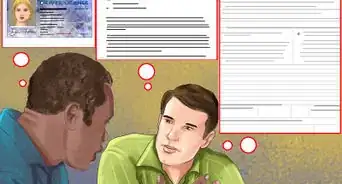
1Make sure you know who you’re talking to. Scammers can use all sorts of tactics to trick or bully you into giving them what they want. Take a moment and be wary of anyone asking for your information in order to protect your identity from being stolen. In general, try to avoid giving information such as your social security number or your credit card info over the phone. It’ll reduce the risk of a potential scammer stealing your info.[3]
- Sometimes, you may need to give your personal info, such as when you’re talking to your doctor’s office. Just make sure you know who you’re talking to when you do it.
Advertisement

Method 4
Method 4 of 10:Never give your personal info in response to an email.
-
1The email could be a phishing attempt. Phishing is a strategy scammers use to trick you into giving your personal or financial information. If you receive an email from a company or representative asking you to “confirm” or “verify” your identity theft prevention service by providing information such as your social security number or your credit card number, don’t respond to it. It could be a phishing attempt.[4]
- Instead, contact the company directly to confirm that it’s really them emailing you.
- The IRS doesn’t try to contact you by email, text message, or social media for personal or financial information.[5]

Method 5
Method 5 of 10:Hang up on calls from government agencies asking for money.
-
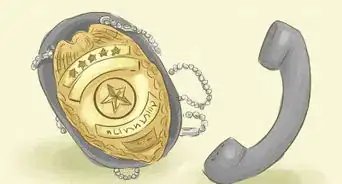
1Real agencies don’t call you to demand money. Getting a call from someone claiming to be from the IRS or Social Security office can be frightening, especially if they tell you that you’ll get in trouble if you don’t pay a certain amount of money. Unfortunately, it’s a common tactic for scammers to use, and they may try to use it to convince you to pay for an identity theft prevention product or service. Don’t fall for it—just hang up the phone.[6]
- For instance, if someone calls you from the Social Security Administration and claims that your identity has been stolen or is at risk of being stolen, they’re likely trying to scam you into giving them your social security number or financial information.
Advertisement

Method 6
Method 6 of 10:Don’t trust caller ID.
-
1Scammers can fake it to make you less suspicious. Just because your caller ID displays your bank’s name, an identity theft protection company, or a government agency, it doesn’t mean it’s legitimate. That doesn’t mean you can’t trust your caller ID at all, just be suspicious of anyone calling you regarding identity theft prevention products or services, no matter what the caller ID says.[7]
- It’s completely normal for your caller ID to display your bank’s name if they call you.

Method 7
Method 7 of 10:Contact the company the caller claims to represent.
-
1The caller could be a fraudster using the company name to trick you. Before you accept and pay for any identity theft protection products or services, call the customer support line of the company the person is claiming to represent. If the company doesn’t offer any of the products or services that were being sold to you over the phone, it may have been a scammer.[8]
- In order to gain your trust, scammers will commonly pretend to be from a company with a name that you recognize.
- For instance, if someone claims they’re calling from a company such as LifeLock, ID Watchdog, or a financial service such as TD Ameritrade or Fidelity, call the company yourself and make sure the identity theft prevention products and services are real.
Advertisement

Method 8
Method 8 of 10:Review your bank and credit card statements.
-
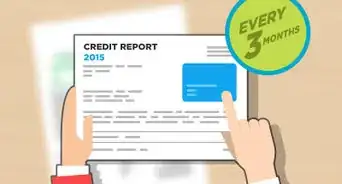
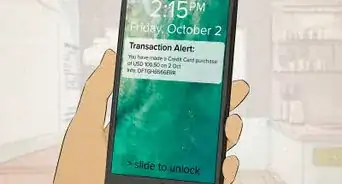
1Look for any unauthorized or suspicious charges. With so many potential scammers out there, it’s possible that you or a family member may accidentally give your financial information to an identity theft prevention scam. Just to be sure, review your credit card, debit card, and bank statements whenever you get them. Report any unauthorized or suspicious charges right away.[9]
- You can check your credit report for free by visiting: https://www.annualcreditreport.com/index.action.

Method 9
Method 9 of 10:Tell your friends about identity theft prevention scams.
-
1Spread the word to other people so they can avoid it. If you read about a new identity theft prevention scam, or you encounter one directly, let your friends and family members know about it. They’ll be able to recognize it if it happens to them, which could save them from being a victim of a scam.[10]Advertisement

Method 10
Method 10 of 10:Report identity theft prevention scammers to protect others.
-
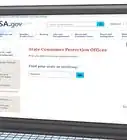
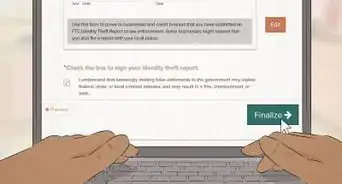
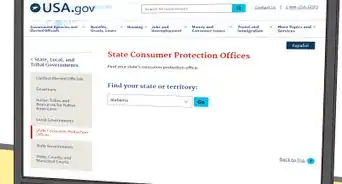
1Contact the company being impersonated and a consumer protection agency. If a scammer claimed to represent a specific company, call or email the company to let them know so they can warn their customers. Report the scam to your governmental consumer protection agency to help other people from being victims of the scam as well.[11]
- If you’re in the US, you can visit the Federal Trade Commission’s website and report scams here: https://reportfraud.ftc.gov/#/.

Warnings
- Scammers often target elderly people. Warn your older friends and family members and make sure they know to never give out their personal or financial information over the phone to someone they don’t know.Thanks!







References
- ↑ https://www.consumer.ftc.gov/articles/0048-government-imposter-scams
- ↑ https://www.consumer.gov/articles/imposter-scams
- ↑ https://oag.ca.gov/idtheft/facts/top-ten
- ↑ https://www.consumer.ftc.gov/articles/0120-avoiding-scams-101
- ↑ https://www.irs.gov/privacy-disclosure/report-phishing
- ↑ https://www.consumer.ftc.gov/blog/2020/10/how-spot-avoid-and-report-imposter-scams
- ↑ https://www.aarp.org/money/scams-fraud/info-2019/impostor.html
- ↑ https://www.consumer.ftc.gov/articles/0120-avoiding-scams-101
- ↑ https://www.consumer.ftc.gov/articles/0235-identity-theft-protection-services
About This Article