This article was medically reviewed by Luba Lee, FNP-BC, MS. Luba Lee, FNP-BC is a board certified Family Nurse Practitioner (FNP) and educator in Tennessee with over a decade of clinical experience. Luba has certifications in Pediatric Advanced Life Support (PALS), Emergency Medicine, Advanced Cardiac Life Support (ACLS), Team Building, and Critical Care Nursing. She received her Master of Science in Nursing (MSN) from the University of Tennessee in 2006.
There are 15 references cited in this article, which can be found at the bottom of the page.
wikiHow marks an article as reader-approved once it receives enough positive feedback. In this case, 100% of readers who voted found the article helpful, earning it our reader-approved status.
This article has been viewed 391,454 times.
Occasional constipation is common, but that doesn't make it any less of a pain. Fortunately, there are tons of easy lifestyle changes you can make to regulate your digestive system so you don't have to deal with constipation. From changing up your diet to staying active, there's a lot you can do to avoid constipation in the future!
Steps
Method 1
Method 1 of 13:Eat fiber-rich foods.
-
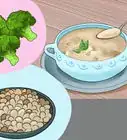
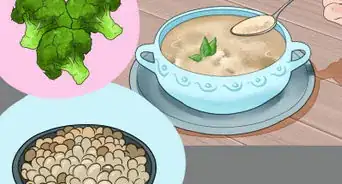
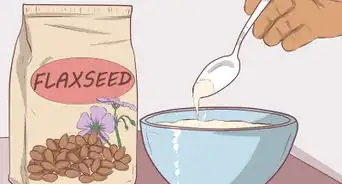
1Fiber adds bulk to your stools, making them easier to pass. You need 24-36 grams of fiber per day. To do that, incorporate fiber-rich foods in every meal. Try foods like carrots, beets, broccoli and other cruciferous vegetables. Flaxseeds, chia seeds, and whole grains like wheat, bran, and oats are also great sources of fiber. You can get additional fiber from foods like:[1]
- Lentils, black beans kidney beans, and other beans
- Peaches, pears, strawberries, blueberries, papaya, apples, avocados, and prunes
- Almonds, walnuts, and peanuts

Method 2
Method 2 of 13:Try fiber supplements if adding it to your diet isn’t enough.
-
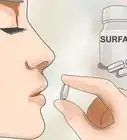
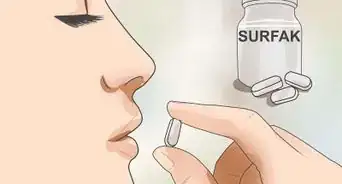
1Fiber supplements come in the form of powder you mix with water to drink. These can help you get your daily fiber intake if you struggle to get enough in your diet. Try supplements like psyllium or methylcellulose. Talk to your doctor before taking them if you have Crohn’s Disease or other bowel-related issues, as these supplements can cause complications in those cases.[2]
- Fiber supplements, along with eating a high fiber diet, can sometimes result in gas, bloating, and abdominal discomfort.

Method 3
Method 3 of 13:Eat prunes.
-
1Prunes are a natural source of concentrated fiber. They also contain sorbitol, which is a natural laxative.[3] If you like the taste of prunes, try having some whole prunes or prune juice every morning. For best results, eat of 1⁄2 cup (0.12 L) of whole prunes every day.[4]
- Prunes will help your stools move through your digestive system, preventing constipation.

Method 4
Method 4 of 13:Have a serving of yogurt every day.
-
1Sometimes constipation is caused by an imbalance of bacteria in the gut. Eating yogurt that contains probiotics restores these beneficial bacteria that facilitate proper digestion. Try eating a cup with breakfast every day as a way of preventing constipation.[5]
- If you don’t eat dairy, try vegan yogurt, which also contains helpful probiotics.

Method 5
Method 5 of 13:Drink plenty of water.
-
1Dehydration leads to stools that are more difficult to pass. Make sure you drink water with every meal and any time you're thirsty to stay well hydrated.[6] Aim to drink 8 cups (1.9 L) to 10 cups (2.4 L) of water a day.[7]
- When you feel constipated, increase your water consumption immediately. It can prevent constipation from getting worse.
- Carry around a water bottle. It'll be much easier to drink more, and it can serve as a reminder to stay on track with a fiber-rich diet.

Method 6
Method 6 of 13:Avoid processed foods.
-
1These foods are usually stripped of their healthy fiber content. Most of the time, it’s because they’ve been combined with a lot of white flour and sugar. Eating foods without enough fiber is hard on the digestive system and can eventually lead to constipation. These foods include:[8]
- White bread
- Snack foods
- Fast foods
- Fried foods
- Dairy
- Candy

Method 7
Method 7 of 13:Cut back on alcohol.
-
1Alcoholic beverages like wine and beer dehydrate you. Being dehydrated can make it much more difficult to pass stools. If you tend to get constipated often, you might want to consider cutting back on alcohol. Stick with just 1 glass per evening, or consider eliminating it entirely.[9]
- Drink 1 glass of water (at least) for every glass of alcohol.

Method 8
Method 8 of 13:Get moving to improve your digestion.

Method 9
Method 9 of 13:Go to the bathroom when you feel the urge.
-
1Putting off a bowel movement isn't good for your digestive system. Waiting too long to go to the bathroom is a common reason for constipation, so any time you get the urge, heed it.[12]
- It can help to have a schedule. For example, you might want to plan to go to the bathroom and have a bowel movement every morning. Once you start this type of routine, your body will respond by staying more regular.

Method 10
Method 10 of 13:Squat over the toilet instead of sitting down.
-
1Sitting on the toilet causes you to strain. It can also prevent you from emptying your bowels fully. Squatting can really help, as it encourages the anorectal angle to widen fully. This allows your bowel movement to pass a lot more easily. To decrease the risk of constipation, squat over the toilet with your knees bent.[13]
- You can also get a small stool to prop up your feet so that you can sit down while also in a squatting position.

Method 11
Method 11 of 13:Try senna tablets or syrup.
-
1Senna is an herb that can encourage the muscles in the bowel to relax. This helps you pass stools when you're constipated. Take senna tablets or syrup according to the instructions on the label, and talk to your doctor before taking the product if you have Crohn’s disease, are pregnant, or are breastfeeding.[14] Senna can have side effects like diarrhea and stomach cramps, so talk to your doctor before using it. If you have a preexisting condition that affects your digestion it's especially important that you talk to your doctor first!
- Only try this method if other methods, like increasing fiber in your diet and drinking water, haven’t worked.
- Don't use senna for longer than 2 weeks.

Method 12
Method 12 of 13:Take castor oil to relieve constipation.
-
1Castor oil irritates the intestinal lining, which prompts a bowel movement. Taking a teaspoon is an effective way to relieve constipation, but be very careful not to take too much, since it can lead to gastrointestinal problems like diarrhea. Talk to your doctor before trying out this method if you are pregnant, breastfeeding, or if you’ve noticed blood in your stools.[15]
- Take the exact dose suggested on the packaging of the castor oil you buy and no more.

Method 13
Method 13 of 13:Drink dandelion tea as a natural remedy.
-
1Dandelion root has been used as an herbal remedy for constipation for many years. Drink dandelion tea for mild constipation relief. More research is needed, though, to back up this method with scientific evidence.[16]
- Side effects include upset stomach and diarrhea.
- Talk to your doctor before trying this method if you’re on medication, as it can have negative interactions with medications like antibiotics.
- You can buy dandelion tea that has been prepackaged, or buy loose dried dandelion root to make your own. Let it steep for five minutes, then stir in some honey to enjoy.

Expert Q&A
-
QuestionI have faced constipation over the previous 4 years. I used almond oil, but couldn't get a favourable result. I am very worried about it. Can you please give me useful suggestions to get rid of this disease?
 Luba Lee, FNP-BC, MSLuba Lee, FNP-BC is a board certified Family Nurse Practitioner (FNP) and educator in Tennessee with over a decade of clinical experience. Luba has certifications in Pediatric Advanced Life Support (PALS), Emergency Medicine, Advanced Cardiac Life Support (ACLS), Team Building, and Critical Care Nursing. She received her Master of Science in Nursing (MSN) from the University of Tennessee in 2006.
Master's Degree, Nursing, University of Tennessee KnoxvilleStart by drinking 8-12 glasses of water a day to keep hydrated. You should also decrease dehydrating beverages, such as caffeinated drinks and alcohol. Next, eat a fiber-rich diet and/or take fiber supplements, such as psyllium fiber. Make sure that you're exercising daily to keep your bowels moving. If necessary, try mild laxatives or senna tea to help you have a bowel movement. If nothing helps, talk to your healthcare provider to get to the root of your ongoing symptoms.
Warnings
- If constipation alternates with diarrhea, persists for long periods of time, or blood is passed with stools, know that it is definitely time for a chat with the doctor.[18]Thanks!
- Avoid harsh laxatives, especially when they are used long-term. It’s important to prevent constipation or ease symptoms when it occurs, but you can become dependent on laxatives over time.[19]Thanks!








References
- ↑ http://www.nhs.uk/Conditions/Constipation/Pages/Prevention.aspx
- ↑ https://www.mayoclinic.org/healthy-lifestyle/nutrition-and-healthy-eating/expert-answers/fiber-supplements/faq-20058513
- ↑ https://pubmed.ncbi.nlm.nih.gov/21323688/
- ↑ https://familydoctor.org/fiber-how-to-increase-the-amount-in-your-diet/?adfree=true
- ↑ https://pubmed.ncbi.nlm.nih.gov/18533353/
- ↑ http://www.nhs.uk/Conditions/Constipation/Pages/Prevention.aspx
- ↑ http://www.nlm.nih.gov/medlineplus/ency/patientinstructions/000120.htm
- ↑ http://www.nlm.nih.gov/medlineplus/ency/patientinstructions/000120.htm
- ↑ https://www.mayoclinic.org/healthy-lifestyle/nutrition-and-healthy-eating/in-depth/alcohol/art-20044551
- ↑ http://www.nlm.nih.gov/medlineplus/ency/patientinstructions/000120.htm
- ↑ https://www.mayoclinic.org/healthy-lifestyle/fitness/expert-answers/exercise/faq-20057916
- ↑ https://my.clevelandclinic.org/health/diseases/4059-constipation#management-and-treatment
- ↑ https://my.clevelandclinic.org/health/diseases/4059-constipation
- ↑ https://www.nhs.uk/medicines/senna/
- ↑ https://my.clevelandclinic.org/health/drugs/18391-castor-oil-oral-solution
- ↑ https://wa.kaiserpermanente.org/kbase/topic.jhtml?docId=hn-2078009
- ↑ https://www.mayoclinic.org/diseases-conditions/constipation/symptoms-causes/syc-20354253
- ↑ https://www.mayoclinic.org/diseases-conditions/constipation/symptoms-causes/syc-20354253
- ↑ https://www.mayoclinic.org/diseases-conditions/constipation/in-depth/laxatives/art-20045906
About This Article

Medical Disclaimer
The content of this article is not intended to be a substitute for professional medical advice, examination, diagnosis, or treatment. You should always contact your doctor or other qualified healthcare professional before starting, changing, or stopping any kind of health treatment.
To avoid constipation, try eating foods that are naturally high in fiber, such as broccoli, lentils, bran, and fruit. Alternatively, take a fiber supplement to make sure you’re getting enough to stay regular. You can also eat a serving of yogurt a day to balance your gut bacteria, since constipation is often caused by unhealthy gut flora. Also, drink at least 8 cups of water each day since dehydration can cause constipation or make it worse. For tips from our Nurse reviewer on how to get quick relief from constipation, read on!