X
wikiHow is a “wiki,” similar to Wikipedia, which means that many of our articles are co-written by multiple authors. To create this article, volunteer authors worked to edit and improve it over time.
This article has been viewed 29,853 times.
Learn more...
Driving a vehicle can be as safe or as dangerous as you allow. The majority of car accidents are caused because drivers are either not paying attention or not using correct driving techniques. If you force yourself to follow correct driving etiquette, then after time these habits will become second nature. You will naturally avoid collisions when driving, and anything else will just feel unsafe. Consider the following steps when learning safe driving habits.
Steps
-
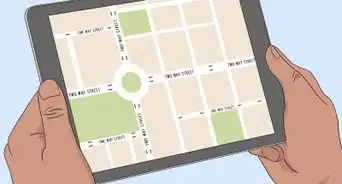
1Confirm the directions to your destination if you are driving to an unknown location so that you are not forced to make turns, change lanes, or stop unexpectedly. If you focus on directions and not on road safety, you are more likely to cause a driving collision.
-
2Pay attention to the road ahead of you, especially when you are driving down residential or busy, car-lined streets. You should always be looking ahead, anticipating cars braking and people crossing the road. Ideally, you should be aware of what's going on up to 15 to 20 seconds ahead of you so you can respond accordingly and safely.Advertisement
-
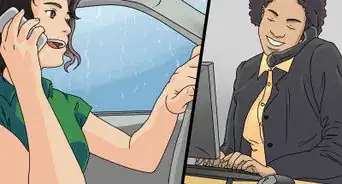
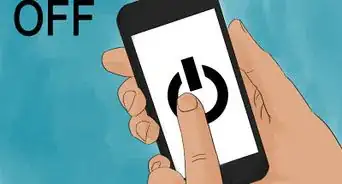
3Avoid distractions like your cell phone and other people in the car. With text messaging becoming so popular, many states are making it illegal to text while driving so as to avoid driving accidents. If you are afraid you may be tempted, put your phone away. Consider investing in a Bluetooth so you can use the phone hands-free. Don't be distracted by children. Explain that they need to stay quiet while driving. The sooner they understand safe driving, the better. If children become unruly, pull the car over when it is safe and deal with them.
-
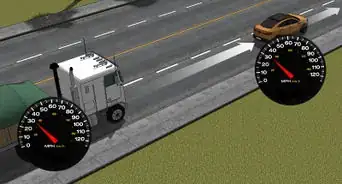
4Don't drive too close to the back of other vehicles. You should be able to see the back tires of the car in front of you touching the road.
-
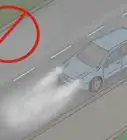
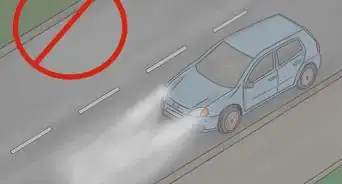
5Accommodate for bad weather, and avoid driving altogether when the roads are wet, slushy, foggy, or slippery, if at all possible. If you are forced to get on the road, drive slowly, brake sooner, and increase the distance between you and the driver in front.
-
6Don't lose your cool with other drivers. It is safer to just let obnoxious drivers pass on by. Getting aggravated will only negatively impact your driving and possibly cause a car accident.
-
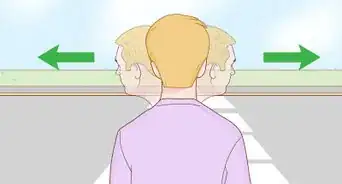
7Remember that you have a blind spot over your shoulder, so if you are taking a corner or changing lanes, don't rely on your mirrors alone. When safe, look over your shoulder and confirm that it is clear for you to make your move.
-
8Check your rear-view mirrors every 5 - 8 seconds, especially when you are slowing down, so that you are aware of what is going on around you. And always use your signals so other drivers know what you are doing.
-
9Maintain your vehicle on a regular basis. Check your tire pressure, wipers, wiper fluid, lights, and brakes often, but especially before heading out on long journeys. Always keep your inspections up to date.Advertisement


Community Q&A
-
QuestionHow do I stop worrying about the person driving behind me, especially if they are too close?
 Community AnswerIf the person is tailgating you, just let them pass or pull off the road so they can go around you. Otherwise, ignore them and focus on what's in front of you. It's fine to glance in the rearview mirror every once in a while, but don't become overly fixated on what's happening behind you.
 -
QuestionWhen I stop behind traffic at a red light, how far behind the car in front of me should I be?
 Community AnswerCan you read the license plate? No? Then you're too close. Able to see asphalt between you and the other car? Close the distance a little. If you notice him rolling back and forth a little while on a upgrade, he's telling you, "Stay back, I drive a stick and the car might roll a little. "
 -
QuestionHow can I minimize the risk of road collision when I am tired?
 Julian ReevesCommunity AnswerStop driving. Find a place to safely pull off the road. Find a comfortable location in your vehicle to take a nap before continuing to drive.
Warnings
- Don't drive when you are tired, have been drinking, or your judgment is impaired in any way.Thanks!
Advertisement






About This Article
Advertisement