This article was co-authored by wikiHow staff writer, Jessica Gibson. Jessica Gibson is a Writer and Editor who's been with wikiHow since 2014. After completing a year of art studies at the Emily Carr University in Vancouver, she graduated from Columbia College with a BA in History. Jessica also completed an MA in History from The University of Oregon in 2013.
There are 9 references cited in this article, which can be found at the bottom of the page.
Learn more...
If you're new to drinking whiskey or just want to enjoy the experience more, you might have questions about adding water. You may have heard some strong opinions about diluting whiskey, but whiskey aficionados often add a few drops of water to bring out the flavor compounds in the drink. As long as you enjoy the whiskey, there's simply no wrong way to drink it!
Steps
Question 1
Question 1 of 10:How much water should I add to a glass of whiskey?
-
1Start with a few drops and take a sip. There's no formula or recipe for adding water since it's such a personal preference. Add 2 or 3 drops of water to your whiskey and taste it. If you like the effect, great! If you'd like it to be more mellow or taste more blended, keep adding water, a few drops at a time, until it tastes the way you want.[1]
- Keep track of how much water you added if you plan on drinking that type of whiskey again. Then, you'll know just how much water you like to add.
Advertisement

Question 2
Question 2 of 10:Why do people add water to whiskey?
-
1Water can open up flavors and blend the flavor components. A lot of whiskey drinkers think that adding a few drops of water breaks the surface tension of the liquid, so you taste more of the flavor molecules. It is true that water will dilute the whiskey, so the more you add, the mellower the whiskey will taste.[2]
- If you dislike the burning sensation that whiskey usually has, you might like adding more water to your drink.
- Try this fun experiment—sip a whiskey without any water. Then, add a few drops to the same whiskey and compare the change in flavor. You can keep adding water and comparing it to the undiluted whiskey for the best idea of how water changes it.
Question 3
Question 3 of 10:Does water make whiskey better?
-
1Water changes the flavor of the whiskey—it doesn't necessarily make it better. You don't have to add water to enjoy whiskey! In fact, a lot of people enjoy drinking whiskey neat, which means without chilling it or adding water. Putting a little water in your whiskey changes the taste, but it doesn't make it better or worse.[3]
- You might taste lighter aromatic notes when you add water to the whiskey that you wouldn't taste if you drank the whiskey neat.
Advertisement

Question 4
Question 4 of 10:What is whiskey "on the rocks"?
-
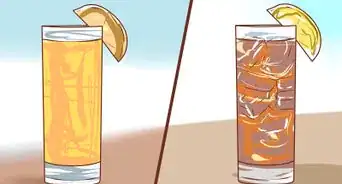
1Whiskey with ice in the glass is called whiskey on the rocks. You're more likely to find ice in a whiskey cocktail since it keeps the drink cold. If you're drinking whiskey on its own, you probably want to skip the ice since it blocks the aromatic flavors in the liquor.[4]
- Still not sure how ice affects the whiskey? Pour a little whiskey in a glass and take a deep sniff. Then, fill the glass with ice and try to smell the whiskey—you probably can't.
Question 5
Question 5 of 10:Does adding water ruin whiskey?
-
1No—it can actually make it easier to appreciate the taste. If you're like most people, drinking whiskey straight can give your mouth a burning sensation. Pouring a little water into the whiskey lowers the alcohol content so it goes down smoothly and feels easier to drink. You're also more likely to pick up on flavor notes in the whiskey.[5]
- The way to ruin whiskey with water is to add hot water or too much water. You'll know you've added too much if you can barely taste the whiskey.
Advertisement

Question 6
Question 6 of 10:How do I order whiskey with water at a bar?
-
1Order whiskey with a splash of water or water on the side. Typically, you'll tell the bartender what type of whiskey you want and the amount. Then, you can specify if you'd like a splash of water—this means the bartender adds a splash, about 1⁄2 fluid ounce (15 ml) of water, to the whiskey before they serve it. Or, you could ask for whiskey with a water on the side. This means you can add the water yourself.[6]

Question 7
Question 7 of 10:What kind of water should I use?
-
1Use the water that tastes best to you. If you have access to tap water that tastes good, use that. If it tastes like chlorine, you may want to use standard bottled water instead.[7]
- You might have seen expensive bottles of water at the liquor store that are marketed for adding to liquor. There's really no need to splurge on these since any water that tastes good to you will be fine in your whiskey.
Advertisement
Question 8
Question 8 of 10:Can I add water to any kind of whiskey?
-
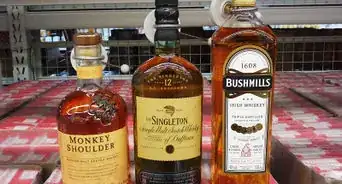
1Since adding water is a personal preference, it's really up to you! However, some whiskey enthusiasts argue that adding water can unbalance some of the flavor notes. For example, water in Spanish oak-aged whiskey can wash out the flavor while American oak-aged whiskey handles it better. If in doubt, experiment to find your personal preference.[8]
- Is your whiskey peated? Smoky whiskies can be tricky since water can mellow the smokey flavor or release the smoky characteristic.
Question 9
Question 9 of 10:How do I add just a few drops of water to the whiskey?
-
1Use a dropper to add 2 to 3 drops of cool water to your glass. It might seem silly to use a dropper, but it will stop you from accidentally putting too much water into your glass. If you don't have a dropper, you can pour water in, but use a very steady hand and pour a tiny amount to start.[9]Advertisement
Question 10
Question 10 of 10:Can I use soda water?
-
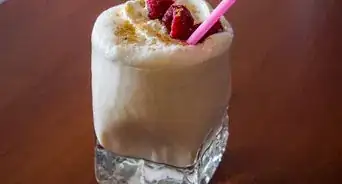
1You can use soda water if you want to make a whiskey soda cocktail. Skip the carbonated water if you want to sip the whiskey and appreciate its qualities. Reach for the carbonated soda if you want a cold, whiskey cocktail.[10]
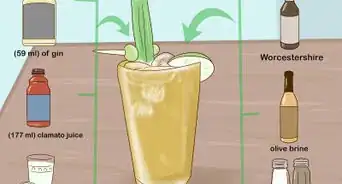
- To make a simple whiskey soda, fill a tall glass with ice and pour in about 2 fluid ounces (59 ml) of whiskey. Then, fill the glass with carbonated water and enjoy.

References
- ↑ https://www.npr.org/sections/thetwo-way/2017/08/17/543902701/chemists-say-you-should-add-a-little-water-to-your-whisky-here-s-why
- ↑ https://www.npr.org/sections/thetwo-way/2017/08/17/543902701/chemists-say-you-should-add-a-little-water-to-your-whisky-here-s-why
- ↑ https://youtu.be/vI9eOLEjzew?t=64
- ↑ https://youtu.be/exc3Rzrvi7o?t=171
- ↑ https://youtu.be/exc3Rzrvi7o?t=166
- ↑ https://barsandbartending.com/order-scotch/
- ↑ https://www.foodandwine.com/drinks/it-worth-dropping-extra-money-add-special-water-your-whiskey
- ↑ https://scotchwhisky.com/magazine/features/7833/adding-water-to-whisky/
- ↑ https://youtu.be/XeYLPw_7MME?t=119
About This Article