Zane Middle School P.E. equipment cart
| Keywords | physical education equipment cart, jump rope, gym storage |
|---|---|
| Uses | education |
| Authors | Carson Wilson |
| Status | Deployed |
| Made? | Yes |
| Replicated? | No |
| Designed in | United States |
| Affiliations |
Humboldt State University Zane Middle School Engr215 Introduction to Design |
| Materials |
polypropylene Cart wood spray paint |
| Cost | USD $ 74.95 |
| SDGs | SDG04 Quality education |
| Documentation data | |
| Language | English |
| Manifest data | |
| Language | English |
| Updated | 2020-06-04 |
| Author | Kathy Nativi |
| Author affiliation | Appropedia |
| Author email | info@appropedia.org |
Abstract
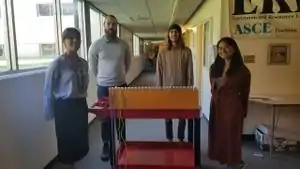
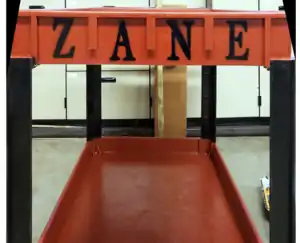
The purpose of this project was to work with Zane Middle School representative and P.E. Instructor, Garett Montana, to address the problems of storing and transporting P.E. equipment. The need for a P.E. equipment cart for the school was addressed and different designs were analyzed for possible solutions. The most important design of the cart must allow for storage of the P.E. jump-ropes that prevents them from tangling and kinking.
Background
Zane Middle School, located in Eureka, CA is one of the largest middle schools from just north of San Francisco all the way up to Oregon. P.E. is a mandatory class for all students who attend the middle school; there are 6 P.E. classes a day (each 1 hour long) 5 days a week. At the start of every P.E. class they begin by doing jump-roping, and they continue to do so until the last person has finished, after which they then begin their daily activity. Zane Middle School reached out to our class in the spring of 2019 because their P.E. class is in need of a cart which needs to accomplish a few things; easily transport and store P.E. equipment while also preventing tangling/ kinking of the jump-ropes.
Problem Statement and Criteria
Zane Middle School's P.E. classes have to manually move all of the P.E. equipment separately every class and have to manually return each separately as well. When returning jump-ropes after use students roll each up and they are all thrown into a bucket for storage. This system for storing jump-ropes results in tangling and kinking of the jump-ropes, leading to longer time to unravel them and having to used kinked jump-ropes which makes them harder to use. To solve this Problem Team Enterprise has designed and created a cart that would allow for all equipment to be stored and moved all together on one cart; in doing so it also secures and properly stores jump-ropes preventing them from tangling and kinking.
| Weight | Criteria | Description | |
|---|---|---|---|
| 10 | Safety | Must not cause harm to any persons during use | |
| 10 | Jump rope capability | Must prevent kinking/tangling of jump ropes | |
| 7 | Accessibility | Materials must be easily accessible by students and teachers and allow for immediate use a storage of equipment | |
| 6 | Durability | Must be stable and able to withstand daily usage over a long period of time | |
| 5 | Mobility | Cart must be easily maneuverable by teachers and students | |
| 5 | Material Weight | Must be able to hold at least 50 jump ropes, a few large buckets, and a large speaker | |
| 5 | Maintenance | Quick and easy to maintain, allow for simple return of equipment | |
| 4 | Aesthetics | Must embody Zane Middle School spirit |
Description of final project
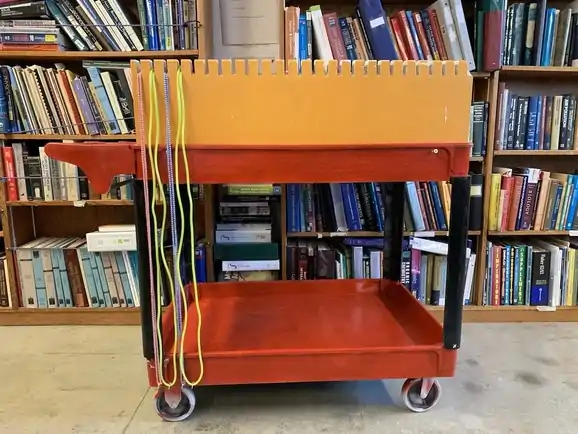
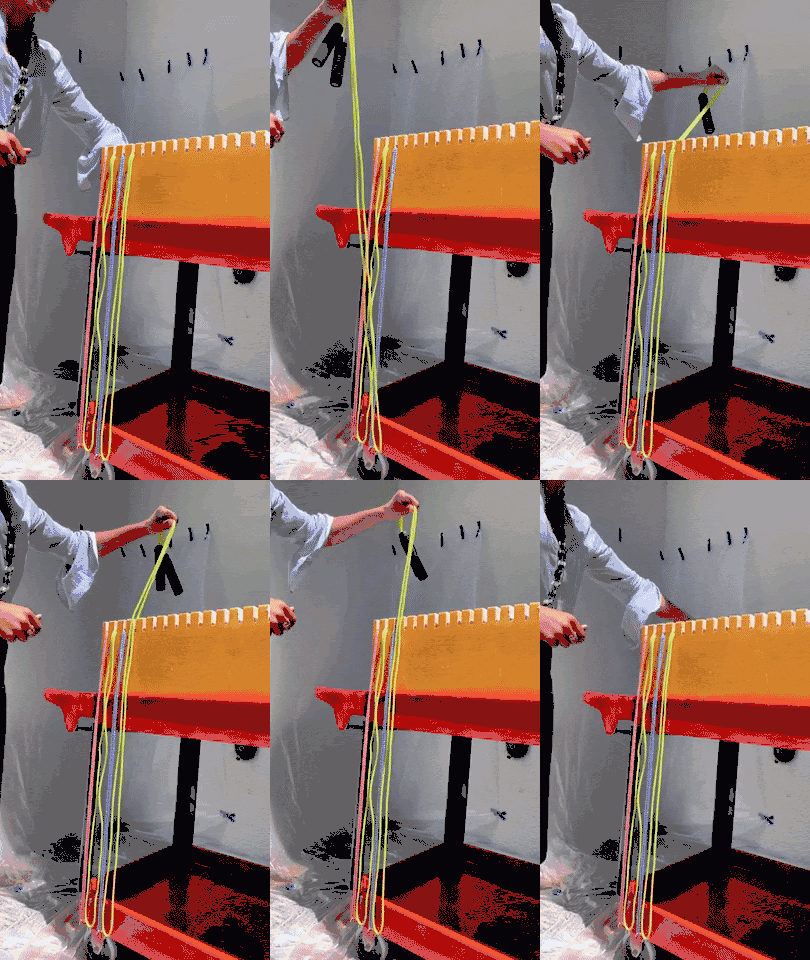
The P.E. Equipment cart is approximately four feet tall and features lower shelving for bucket storage as well as room for other supplies as needs. A top shelf is also included allowing for additional storage and simple access to supplies. The cart’s special design is an original Team Enterprise design; around the top sides of the cart are boards on both sides which securely hold the jump ropes. These boards are made from wood and were individual cut out in a tooth like design. It stores jump ropes in the crevasses in between each “tooth”and are held in place by inverted hooks at the bottom side edges of the cart. One simply folds the jump rope in half and hooks the rope below, then holding both handles notch them in the slot above corresponding to the right hook. This design enables the jump ropes to be held and stored without tangling and preventing kinking, allowing for the jump ropes to be in better shape when using and last longer. The cart is simple yet meets all the qualifications from the client.
Prototyping
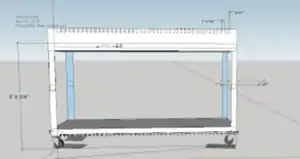
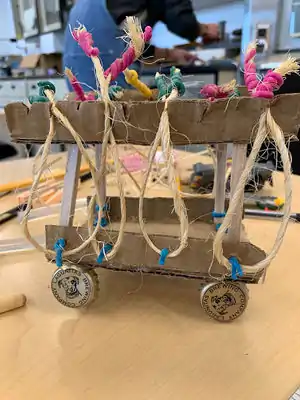
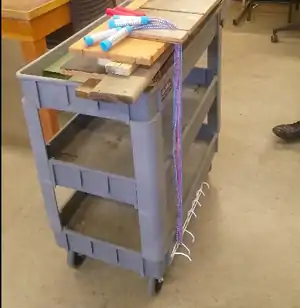
While prototyping for this cart design we wanted to make them be as close as possible to our decided final design. We made one small scale prototype to physically see our design and see how practical it actually is. Following the small scale prototype we built a full size prototype in order to make sure our design was as functional as we planned and to find what measurements would work best for the car.t
Costs
While constructing the P.E. equipment cart, Team Enterprise received donations from Harbor Freight, The Mill Yard, and Sherwin Williams Paint. These donations gave our team necessary material needed to construct the cart. The other purchases as noted below required full payment for each.
| Quantity | Material | Source | Cost ($) | Total ($) |
|---|---|---|---|---|
| 1 | 10ft x 1ft x 2” piece of Pine Wood | The Mill Yard | 40.00 | Donated |
| 1 | Polypropylene Cart | Harbor Freight | 130.00 | Donated |
| 2 | Screws/bolts sets | Ace Hardware | 20.00 | 20.00 |
| 1 | Hooks Set | Ace Hardware | 14.95 | 14.95 |
| 6 | Cans of Spray Paint | Ace Hardware | 40.00 | 40.00 |
| Total Cost | $74.95 | |||
Testing Results
Once we completely finished constructing our cart we starting putting jump ropes on to test our system and to see how well our notch boards work for holding the jump ropes. We were very pleased to see that our design was a success and able to properly and sufficiently serve its purpose as a P.E. Equipment cart.
How to build
Title:
- Get (1) piece of wood approximately 10ft x 1ft x 2”
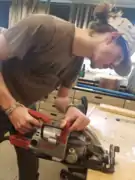 Cut wood board in half
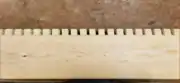 Measure and cut even notches into top edge of each
- Putting it together
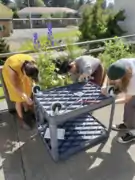 Assemble Cart
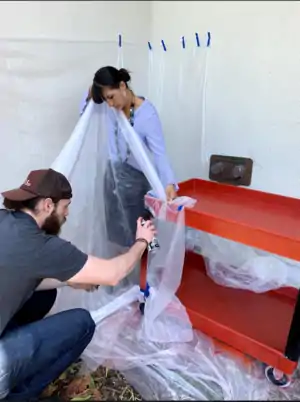 Spray paint cart and let dry
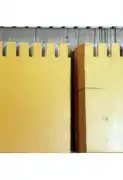 Paint wood boards
- Finishing up
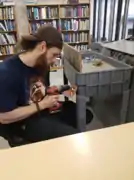 Screw boards into top sides of cart and hooks on bottom
- Put jump ropes on and ready to roll
Maintenance
This P.E. equipment cart requires very minimal maintenance and very rarely.
| Maintenance | Time | Cost | Frequency | Procedure | |
|---|---|---|---|---|---|
| Touch up paint where flake-age or fading occurred | 10-30 minutes | $6.99 / bottle | 0-1 per year | Use Kraylon spray paint and apply where needed | |
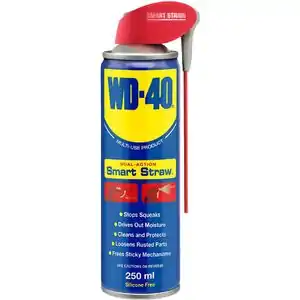
| Grease casters if not functioning properly | 5 minutes | $3.00 / bottle | Once every 2-3 years | Spray WD-40 on and around caster wheel | |
| Total | 15-30 minutes / year | $9.99 / year | Once per year after first sign of deterioration (est. 1 year) |
Schedule
This is when to maintain what.
- Daily
- No daily tasks
- Weekly
- No weekly tasks
- Monthly
- No monthly tasks
- Yearly
- Grease casters if cart no longer moves as smoothly (done most easily with WD-40)
- Every 2-3 years
- Repaint Cart
Instructions
This is how to maintain. The step by step how to template {{How to}} is most likely best for this part.
How to Maintain:
- Grease wheels
- Repaint Cart
Troubleshooting
This is only how to troubleshoot basic operation. For complex issues, contact Team Enterprise at Humboldt State University.
| Problem | Suggestion |
|---|---|
| Wheels not moving smoothly | Grease caster wheels (done most easily with WD-40) |
| Paint Peeling or Fading | Repaint with appropriate colored Kraylon spray paint |
Discussion and next steps
In the final construction of the P.E. Equipment cart we initially painted the cart with Sherwin Williams all surface enamel paint; however, when dried this paint peeled very easily. We realized that we could not use this paint because it would not last, instead we used Kraylon Fusion spray paint meant for plastic surfaces which worked excellently.
Suggestions for future changes
Caster wheels can be replaced by simply unscrewing with a phillips-head screwdriver or drill.
References
Contact details
Team Enterprise can be contacted through HSU's Engineering 215 class